
Sheffield nursing student became a mother after surviving child abuse - "it turned my life around"
"Now I feel like a real woman"
When six-year-old Amani Abdallah started receiving money and gifts from her family, she felt like the luckiest girl in the world.
What she didn't know was that moments later she would be led into nearby bushes and subjected to a brutal ritual that would leave her scarred for life.
The experience was so traumatic that Amani - now 26 and a final year nursing student living in Sheffield - blacked out.

And it wasn't until her teenage years - while in a biology class - she realised she was a victim of female genital mutilation (FGM).
After the horrific procedure, Amani struggled to urinate and be intimate with partners due to the "pain”.
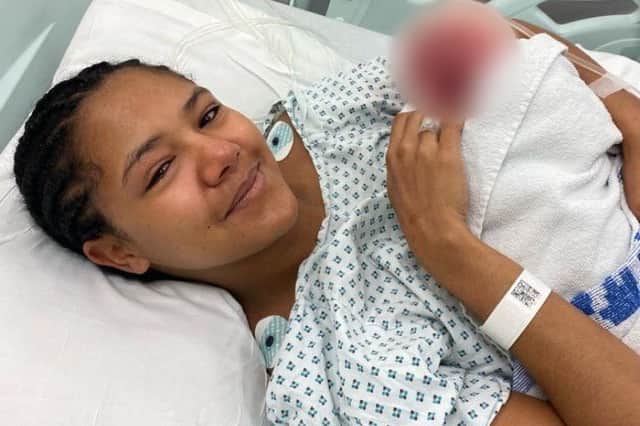
When she gave birth to her first child in 2023, she chose to have a c-section as she couldn't face the trauma of giving birth naturally.
She has since undergone surgery to repair some of the damage she sustained as a child.
Now, almost 20 years after her ordeal, Amani has spoken of her ordeal.
Amani, originally from El Hawata, Sudan said: "For years, I didn't know what happened to me.
"But I always had a feeling that something wasn't right with my body.
"I had a lot of pain during my periods and when I wanted to go have a wee.
"And I just carried on with life as normal.
"Looking back, I wish I wasn't so vulnerable and had more fight in me.
"But it was out of my control and there's nothing I could have done to prevent adults from harming me.
"Now I feel like a real woman."
FGM involves the partial or total removal of the external female genitalia for non-medical reasons.
It has been illegal in the UK since 1985 and is recognised as a form of child abuse.
In Sudan, where Amani grew up, the practice was common and wasn't outlawed until 2020.
She was around six or seven when she was taken for the procedure in 2006.
She said: "[They] guided me to the field.
"I remember them sitting me down and then laying me down essentially, putting pressure on me.
"There was a lot of ropes tying my legs together...but then I don't remember anything after that.
"I must have blacked out at that point."
As she grew up, Amani questioned what happened to her and was later told by her family that they had been "preparing for her death" when she got an infection following the procedure - a common complication due to the use of non-sterile tools.
"I didn't realise what happened that day would nearly kill me," she recalled.
Amani moved to the UK when she was 10 years old.
But it wouldn't be until secondary school, when she had sex education classes, the teen came to learn about what happened to her after studying female anatomy.
"We learned about periods so far at this point and then there was the second part of the book.
"So, I kind of turned the page over and it was a diagram and I remember just looking at her vagina.
"My first thought was this doesn't look like mine."
Shocked by the revelation, Amani took her textbook home and started doing research online.
That's when she came across FGM for the first time.
She said: "After I learned the truth, I felt angry and resentful towards my parents.
"I wanted a sorrow from them, an apology from them, but I couldn't get that.
"I was always faced with its culture, it's natural, it's what everybody does where we're from.
"I don't know, gaslit maybe that's the word for it."
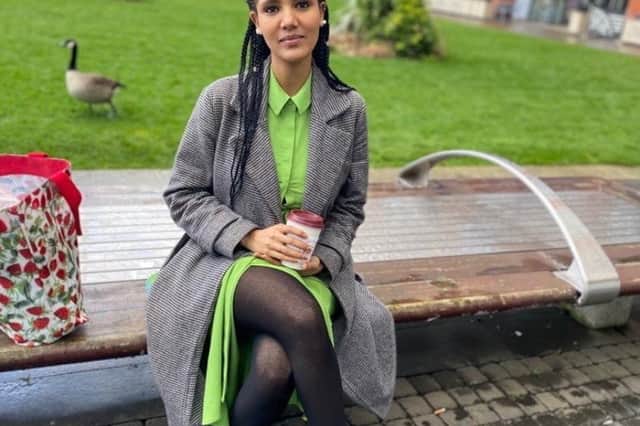
At 16, Amani left home after an argument with her dad and lived with her foster parents for a month before going into independent living.
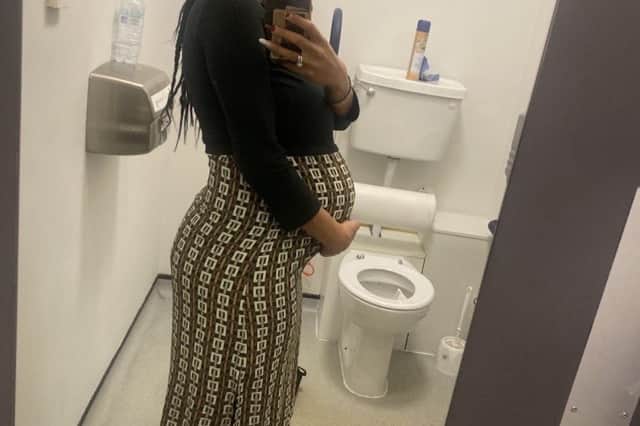
In 2020, she later met her now ex-partner - and despite the pair having "painful" intercourse - Amani unexpectedly fell pregnant and started looking into surgery options.
Doctors gave her two choices – give birth naturally and cut the vaginal opening wider when she was at the birth canal or have a planned c-section.
She said: "When you give birth, that's just kind of reliving the traumatic experience."
"It opened up feeling I didn't know were there."
Amani opted to have a c-section and gave birth to her first child on July 4, 2023.
For her, the birth marked a moment for Amani - she didn't have to stay this way forever and suffer from physical complications.
So, four months later, she underwent deinfibulation to reverse the FGM procedure and had local anaesthetic so she could stay awake throughout.
"When I opened up the curtain, I saw all the doctors faces and they were like, it looks amazing," she said.
"I felt really powerful and it made me feel happy to be in my body."
Key Witness: The Moment is the latest collaboration between social producers Creatorville and content agency SWNS.
New episodes are released weekly on YouTube, Spotify and Apple Podcasts.
Each week, Key Witness goes behind the headlines to speak to the people closest to some of the world’s most notorious crimes - uncovering new details and exclusive testimonials that have never been revealed before.
Watch the latest episodes: www.youtube.com/@Key_Witness