
Sheffield view on Budget: Missed opportunity to face up to responsibility
Lucy Kelgate says the Chancellor’s Budget deferred difficult spending decisions, left the tax burden rising and did little to reassure those concerned about debt, pensions and people leaving the UK.
The Chancellor’s budget delivery said so much, and said so little, deferring many of the toxic spending issues until the spending review next year, writes Sheffield finance expert Lucy Kelgate.
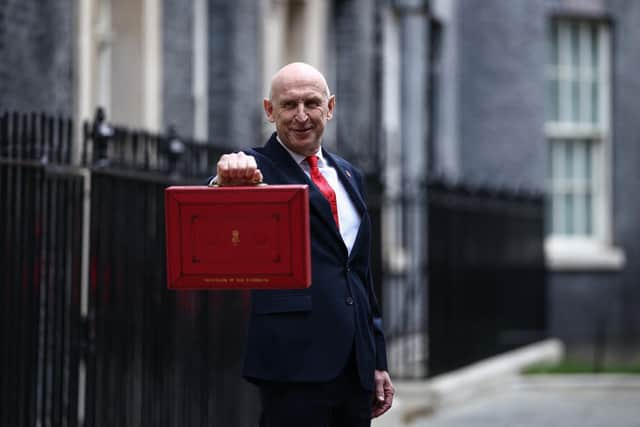

We needed a bold statement to provide confidence, what we got was a missed opportunity and had more retail politics.
We are in the eye of an economic storm, families sinking under the impact of £3tn of national debt and the response was gherkins are reduced in price by 4 pence. This level of debt equates to £100,000 per household in the UK, and increasing on a daily basis.
As individuals we would not operate our personal finances in this manner, nor would we be allowed to. Our bank manager would be writing to us asking why we got ourselves in this position, and requesting a plan as to how we were going to rectify this situation, and fast. We elect politicians to make the decision for the benefit of all of us, make difficult decisions, face up to responsibility and not go on the missing list when it gets tough.
The budget was an illusion, without reference to the impending tax raises, already built in, being imposed from the next fiscal years by the previous three Chancellors.
It is important not to look at one budget in isolation. The tax burden has been rising since 2021, with the cumulative effect that the overarching tax burden is increasing significantly. When wages are rising, the impact of the frozen personal allowances is smoke and mirrors, with in real terms effecting the net pay into households.
Yes, there were tweaks, many welcome, and the bond yields were not spooked by the announcement, key to the Government interest rates. On the whole the bond markets appeared unmoved during and immediately after the budget, not triggering additional cost of Government debt.
However, the UK is still borrowing to pay Government interest costs, escalating future the spiralling debt mountain.
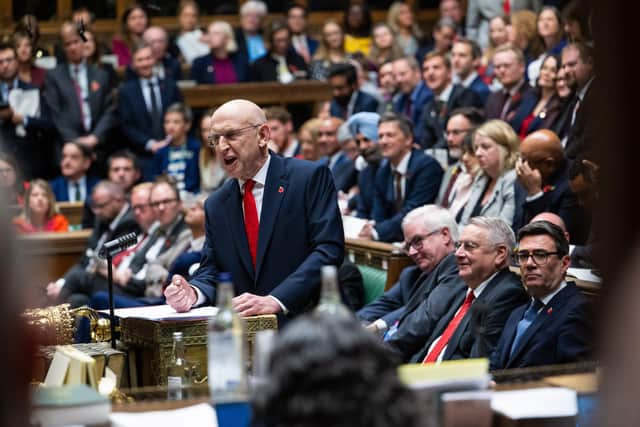
The cynic in me thinks the budget could be for incumbent politicians, rather than wider population, providing flexibility, should the Prime Minister wish to call an early General Election. The Chancellor used the phrase “breathing space” 13 times, code for we are doing nothing now, and kicking significant decisions down the road. To be balanced, maybe this gives hope that in time the issues in Ukraine and the Middle East will resolve themselves, and assist in boosting the economic landscape, allowing the requirement to dodge the immediacy for making big fiscal decisions.
The benefit of the expanded personal allowance for those on state pension only is welcomed, but disregards the additional costs for HMRC in managing this. Why not just increase the personal allowance for those receiving state pension?
But this welcome benefit also has a significant potential sting in its tale. Around 200,000 pensioners now have the potential of a marginal tax rate of 53%, if they receive income over just the state pension meaning that they do not get the increased personal allowance.
With the UK population of 69.4m people (12m of under 16 years of age, and 13m pensioners), 34.6m are employed. Of the employed 6.2m are in the public sector, and 28.4m in the private sector. The concern is that we are taxing people to the point where they are becoming disillusioned and leaving the UK.
In the 2024/25 fiscal year approximately 52,000 advised HMRC via the P85 form they are leaving the UK for tax purposes. In 2025/26 fiscal year this increased to 69,300 and increase of 32% - this is probably under reported and many people do not file with the HMRC before leaving. Putting this into context this is the population of Canterbury leaving the UK in the last fiscal year and not paying tax in the UK.
In recent weeks HMRC have starting writing to individuals earning more than £200,000 per annum, and with assets of more than £2m. Is this a precursor to establishing a framework for exit penalties for those who leave the UK for tax purposes?
Whatever the reason, this has prompted many to intensify their thinking about departure, with recent budgets doing nothing to stop those leaving the UK for pastures new. We need to retain hope, ensuring that those who have portable lifestyles stay in the UK, pay their taxes to create the future of this wonderful country. Otherwise, as Mr Mannering said “we’re doomed”.