
Hidden treasure: Archaeologists discover only surviving Civil War defences at Sheffield Castle
Wooden stakes used as defence barriers during the Civil War have been unearthed by archaeologists excavating the remains of Sheffield Castle as part of the Castlegate regeneration project.
They are the first surviving examples of 17th-century defensive stakes, used to protect the castle from attack.
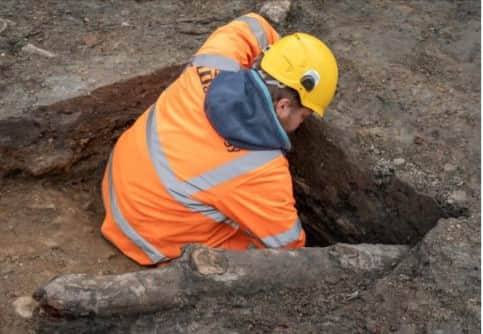

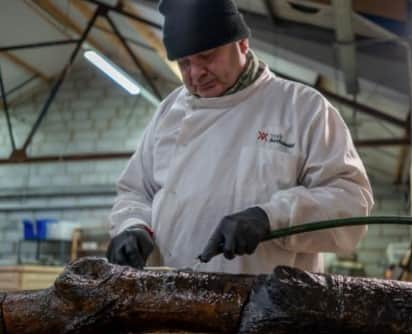
They are around 1m in length and have now been and excavated from the moat and examined.
Ashley Tuck, the archaeologist leading the dig on behalf of Wessex Archaeology, said: “To be able to hold the very wood to which the defenders of Sheffield Castle trusted their lives is extraordinary.”
The discovery led to the dig recently being awarded ‘Rescue Project of the Year’ at the 2025 Current Archaeology Awards.
The castle is viewed by many as the ‘birthplace of Sheffield’.
Analysis of the structure has led experts to believe that the stakes could have been part of an ‘abatis’ - a well known method of fortification, designed to hold back attackers.
Records show that the castle was breached by Parliamentarian forces in August 1644, after a 10-day siege.
Mr Tuck said: “We know that these timbers and the abatis they formed were ultimately unsuccessful in protecting the castle from being destroyed, but they paint a picture of the brutalities of the war, and add to our understanding of this turbulent period in Sheffield’s past.”
It is uncommon for these stakes to be recovered intact, as they typically decay over time, or were destroyed after use.
However, the waterlogged conditions at the site successfully preserved them for almost 400 years.