
Sheffield firms ordered to build riverside path after losing decade-long dispute

Simon Ogden, chair of the Sheaf and Porter Rivers Trust, said he hoped both companies would now “do the right thing”
Campaigners are celebrating victory in a decade-long campaign after two Sheffield firms were ordered to build a riverside path.
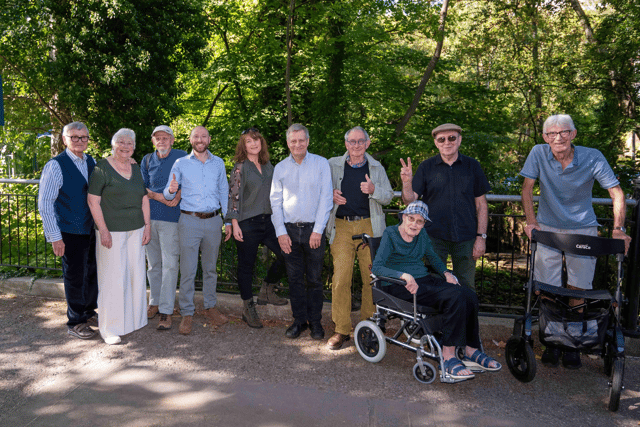
Delighted activists, councillors and residents gathered at the entrance to STEPS Rehabilitation and Gladman Retirement Living on Troutbeck Road, Millhouses, after the outcome of a three-day public enquiry.

The Planning Inspectorate has ruled a walkway must now be built behind the firms’ premises.
The route was a condition of granting planning permission for the development in 2014.
Sheffield City Council issued an enforcement notice last year and the companies appealed to the Planning Inspectorate. But, following a three-day public inquiry, the appeal has been dismissed.
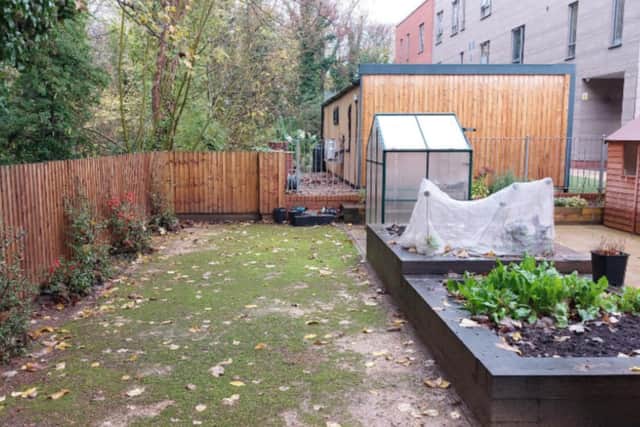
Campaigners say the path will form a key part of the River Sheaf Trail, an incomplete route from the city centre to Millhouses Park.
Simon Ogden, chair of the Sheaf and Porter Rivers Trust, said he hoped both companies would now “do the right thing”.
He added: “The decision should mean public access and improvement to the River Sheaf, Sheffield’s most inaccessible and invisible river, yet after which it is named.”
Neither firm commented on the decision, or said when they intended to make a start on construction.
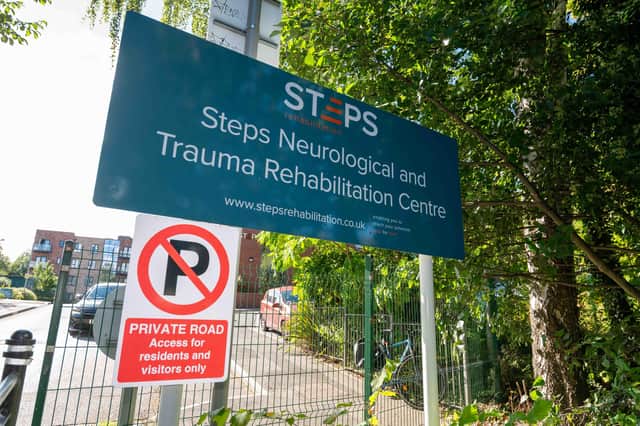
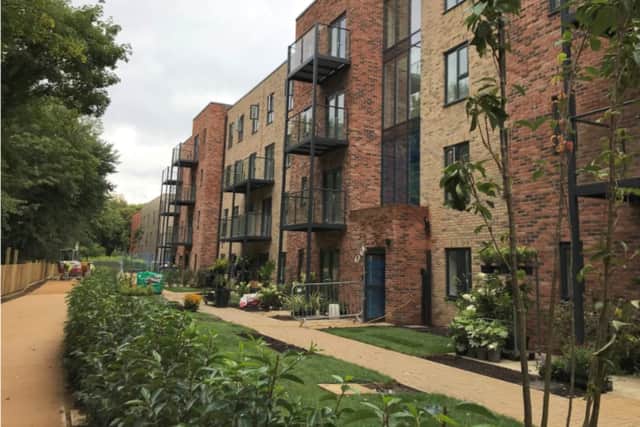
The site includes STEPS rehabilitation centre and Gladman’s Jacob’s Gate retirement complex.
Outlining his decision, Robert Hitchcock of the Planning Inspectorate, said STEPS and Gladman claimed building the path now would harm users and residents.
He wrote: “However, as the paths on the respective sites formed part and parcel of the permissions for those premises, the owners and occupiers would have been aware of the requirement to provide it.”
He also said they had offered £100,000 for a walkway elsewhere on the Sheaf. But he noted they had earlier argued building their own would cost £500,000.
He said: “Given the disparity with the appellants’ suggested cost estimate of £500,000 for the path on the appeal site, and absence of a specific project to attribute the funds to, I am unable to conclude that what would be provided would be an equal benefit.”
The companies, who had hired specialist planning barrister Killian Garvey barrister, also asked for Sheffield City Council to pay their costs, claiming the authority had behaved “unreasonably”.
Mr Hitchcock also dismissed this appeal.
He wrote: “Unreasonable behaviour resulting in unnecessary or wasted expense has not occurred and an award of costs is not warranted.”
Those who gave evidence at the public enquiry included council planners and witnesses from the Sheaf and Porter Rivers Trust, Jacobs Gate residents, ward councillor Barbara Masters and MECK: Millhouses, Ecclesall and Carterknowle Community Association.