
South Yorkshire fire chief calls on Government plan for wildfires after summer of blazes

“Climate change, prolonged periods of extreme heat and changing land use and land management practices are creating more frequent, larger and more complex wildfires”
South Yorkshire’s chief fire officer is calling on increased funding as “climate change [and] prolonged periods of extreme heat” have seen the service tackle close to 40 per cent more incidents this summer.
Firefighters responded to 53 wildfires in in South Yorkshire this summer, as the country faced five heatwaves, prolonged periods of drought and some of the hottest days in history.
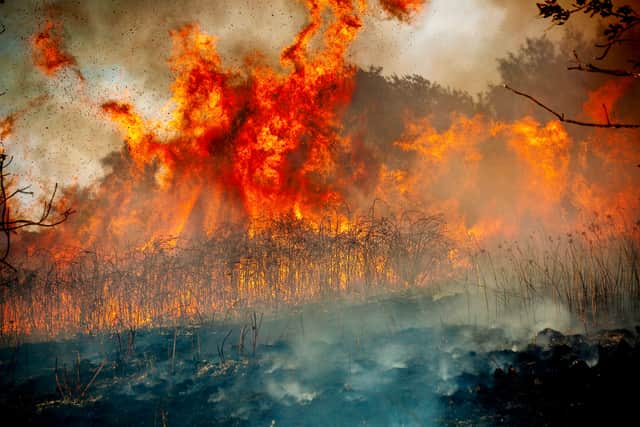

Overall, control operators handled 17,564 calls and firefighters mobilised to 5,687 emergency incidents between June and August.
It equates to an 84 per cent increase in 999 calls and 39 per cent increase in incidents compared to the three previous summers.
The fire service response to the incidents has received praise from South Yorkshire Fire and Rescue’s chief fire officer Chris Kirby, but he fears that this kind of demand is going to become commonplace over the coming years.
“This summer, South Yorkshire’s firefighters, control operators and support staff worked around the clock in extremely challenging conditions to protect life, property and the environment,” he added.
“Wildfires are no longer confined to remote rural areas. Increasingly, they are threatening homes, businesses and critical infrastructure as fires move from open land into urban and suburban communities- with several people tragically losing their homes, including here in South Yorkshire.
“My worry is that this increased risk is growing faster than the collective capacity of the UK fire and rescue service to respond. Climate change, prolonged periods of extreme heat and changing land use and land management practices are creating more frequent, larger and more complex wildfires.”
He has joined other members of the National Fire Chiefs Council (NFCC) in calling for a greater understanding of the risks wildfires pose, and increased funding for services across the country to deal with this growing problem.
The NFCC have claimed research in the UK is hampered by “inconsistent definitions of wildfires and recording of incidents in local and national statistics” and that the Government could greater coordinate between agencies to get create strategies to manage the risk of wildfires.
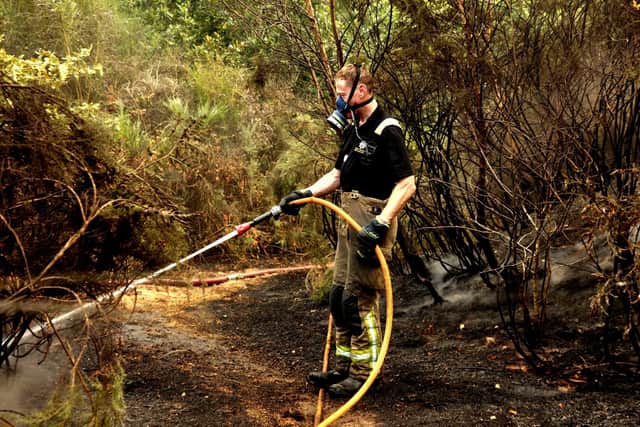
A statement from the service goes on to say that the Mett Office projects a 2C increase in global temperatures which will “double the days in the UK with very high fire danger and extend the wildfire season into late summer and autumn,” placing further demand on fire services.
Mr Kirby continued: “While I remain proud of the way South Yorkshire’s firefighters and control staff responded to this summer’s incidents, I join other Chief Fire Officers across the country in calling for a long-term wildfire strategy that reflects the changing nature of emergencies facing the UK.
“That must include sustained investment in firefighters, specialist wildfire capabilities, training, equipment and national resilience improvements.”