
180 people killed or injured in drink-driving incidents on South Yorkshire's roads in one year

Drink-driving led to 30 people being killed or seriously injured in South Yorkshire in one year
Three people a week were killed or injured by drink-driving in South Yorkshire in 2024, new figures reveal.
Latest figures show an estimated 180 casualties as a result of drink-drive collisions that year.
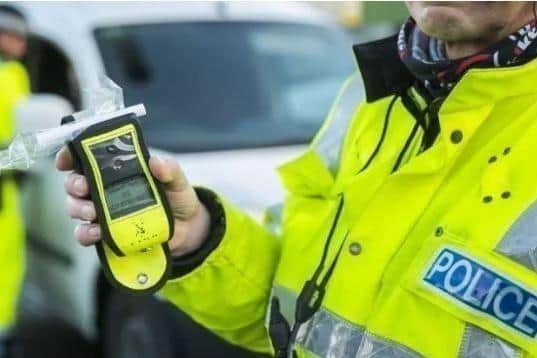

Around 30 of those were killed or seriously injured, while Doncaster saw the most incidents.
Doncaster recorded 60 casualties, followed by Sheffield with 50, Rotherham with 40 and Barnsley with 30.
One of them was a 91-year-old man who died in hospital after he was in a collision with a drink-driver on Greaves Lane, Tankersley, on August 22, 2024.
James Burgan, 37, of Francis Grove, High Green, later pleaded guilty to drink driving.
Meanwhile, the number of dedicated police on the roads has also shrunk in the last 10 years.
Separate Home Office figures show South Yorkshire Police had 71 officers working in specialist Traffic Units in March 2026, compared with 93 a decade earlier - a reduction of 24 per cent.
This broadly mirrors the national trend.
Across the 43 territorial police forces in England and Wales, the number of officers working in specialist Traffic Units fell by 25 per cent, from 5,005 in March 2016 to 3,765 in March 2026.
Hunter Abbott, managing director of personal breathalyser firm AlcoSense Laboratories, said: “More than three people a week injured or killed shows that drink-driving remains a serious problem across South Yorkshire.
“The casualty total is also slightly higher than it was a decade ago [170 in 2015], underlining the need to maintain efforts to prevent people from driving after drinking.
“At the same time, the number of officers working in specialist Traffic Units has fallen broadly in line with the national trend.
“Those officers perform an important role in enforcing drink-drive laws and deterring motorists from taking the risk in the first place.”
The Government is considering changes to drink-drive laws as part of its forthcoming Road Safety Strategy, including reducing the legal alcohol limit in England and Wales from 80mg to 50mg of alcohol per 100ml of blood.
Abbott stressed any change in the law must be accompanied by effective enforcement and continued public education.
“Lowering the legal alcohol limit would allow the authorities to intervene earlier and discourage more people from taking the risk of driving after drinking,” he said.
“But legislation cannot work in isolation. Drivers must also believe there is a realistic chance of being stopped and tested.
“The challenge is to ensure that any change in the law is supported by sufficient enforcement and continued education, so that the casualty figure can be driven down.
“No amount of alcohol should be regarded as safe before driving. Scientific evidence shows that even at the proposed 50mg limit, a motorist is still around five times more likely to be involved in a fatal crash than someone who has had nothing to drink.”