
Exclusive:Desperate and devoted Sheffield dad Dalton Williams killed himself during battle to see son he adored

“I believe the thing he struggled with the most was not being allowed to see his son who he loved the most”
A desperate and distressed Sheffield dad killed himself during an agonising battle to be allowed access to his young son.
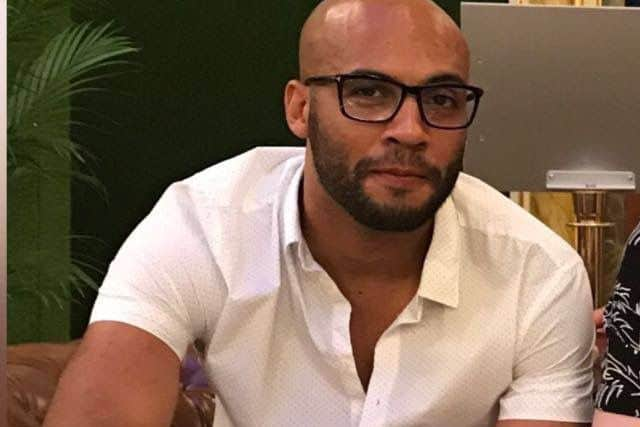
Dalton Reilly Williams was 37 years old when he tragically ended his own life last May.
It was in desperation over an ongoing legal battle he was embroiled in as he fought for access to his young son.
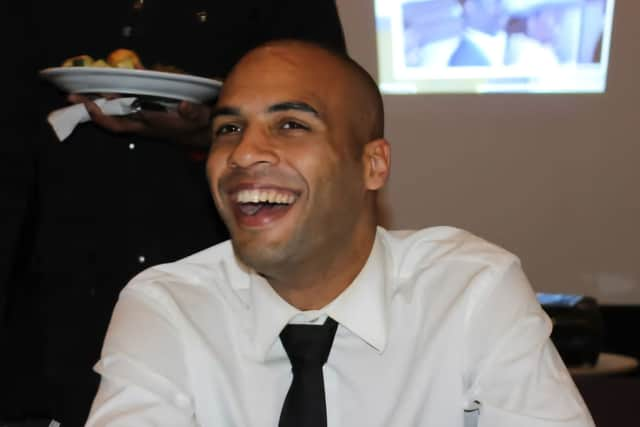
Following his death, the dad-of-one, whose “whole life was his son,” was described by his best friend, Scott Wilkinson, as “a joker” with “an infectious energy,” “a massive Blades fan,” and a “dedicated father”.
But an inquest into Dalton’s death last week heard how the toll of family court proceedings proved too much.

During the hearing in Sheffield, more than 15 members of Dalton’s family stood up and left in protest.
They believe his death came after years of perceived failures by social services and Dalton being refused access to his son, which they hoped the inquest would examine.
When their questions around Dalton’s engagement with social services and family court proceedings were cut short by coroner Mr Carl Fitch, who said the inquest was not a venue to answer civil or family court matters, the family and friends walked out.
“If we cannot ask these questions, how can you fulfil the requirements of an the inquest, to answer how he died?” Dalton’s uncle, Dr Jonathan Williams, asked the coroner.
“Dalton didn’t die because of the immediate circumstances of the last three days before he died, he because of a long five years [of failings].
“His life was his son, and the only issues around that were his engagements with social services.
“How can you make sure that what contributed to his death will not happen again?
“There’s no point staying,” said Dalton’s mother, Brigette Wainman, as she got up to leave the court room.
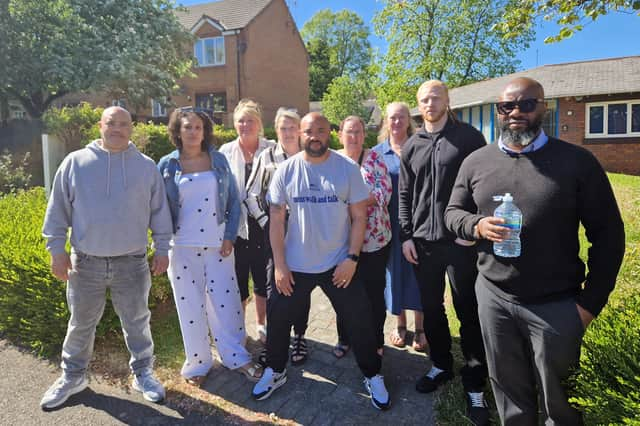
Outside the coroner’s court, members of his family told The Star said: “It’s a continuation - we aren’t being listened to now, just like he wasn’t listened to.”
The primary function of an inquest is to conduct a public, fact-finding investigation into unnatural, violent, unexplained, or state-detention-related deaths.
The core purpose is to answer four key questions - who the deceased was, when they died, where they died and how they came by their death.
They should provide answers to families, and help prevent future tragedies through lessons learned.
After a break in proceedings, the family returned inside.
The inquest heard from social worker Carmine Pancaro, who worked with Dalton and spoke to him in a crisis meeting the day before he died, as well as on the day of his death.
Mr Pancaro said Dalton frequently expressed that he “wasn’t being listened to” by social services or family courts while trying to arrange access to see his son.
In the crisis meeting on May 22, 2025, a distressed Dalton suggested he would take his life at the family court in order to trigger an inquest and investigation into how he was let down, in his opinion.
However, in a phone call on the May 23, Dalton spoke about future plans and groups he hoped to join, including a visit to Wembley that weekend for a Sheffield United game.
The inquest also heard from mental health staff who said Dalton’s engagement with family courts were a great source of distress.
Mr Fitch said in conclusion: “Children’s services explained they knew Dalton was struggling. But their duties are to the children and not the adults or the parents.
“What they can do, and what they did do, however, is raise concerns with social services.
“These concerns were raised with family members so arrangements could be made.
“Dalton appeared calmer on the day of his death. I’m not able to say that there was any service that could have known there was a danger of him taking his own life that day.”
Mr Fitch ruled Dalton’s cause of death was suicide, following days of distress from engaging with family court proceedings over seeing his son.
He said: “Nothing I say diminishes his life or the unanswered questions you, the family, all may have - questions not answered in this court. today.
“I’m grateful for the dignity you’ve conducted yourselves.”
Ms Wainman also read the statement she made to police the week Dalton died as a tribute to her son.
She said: “Dalton was my son, we were very close and would speak with each other often, typically every week.
“He would talk about the way he felt and would at times ask me what the point in continuing to fight was.
“ If he was extremely low which he never appeared to be as he often looked to be the life of the party, he would talk to me more about the way he felt.
“Family was a big part of Dalton’s life and it was something he surrounded himself with.
“For Dalton, every minute with his son mattered, and he ended up spending £80,000 in in solicitor fees just to be able to see him.
“He wanted to be with his son, which was a constant battle to do.
“I believe the thing he struggled with the most was not being allowed to see his son who he loved the most.”
Nearly £10,000 was raised after Dalton’s death for funeral costs and as a trust fund for his son.
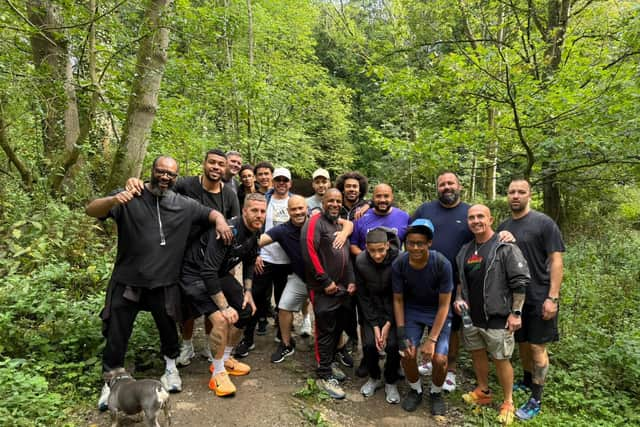
A walk-and-talk group in support of men’s mental health was also launched by friends and family in his memory.
When life is difficult, Samaritans are here – day or night, 365 days a year. You can call them for free on 116 123, email them at [email protected], or visit www.samaritans.org to find your nearest branch.