
Brussels Notebook: People have been left paying a very heavy price via inflation
A report this week from the Resolution Foundation confirmed that over the past five years people in the UK have experienced the impact of 13 years of “normal” inflation.
This was rooted in two things that have also had a direct impact on farmers. The rising price of energy and food. For farmers spiking energy costs have hit the price of key inputs, particularly fertiliser, and the cost of diesel for all field operations. Farmers are more conscious than most about the impact this has had on the cost of producing food, meaning they are at the sharp end of events that have had a dramatic impact on prosperity and economic growth.
This was rooted in two things that have also had a direct impact on farmers. The rising price of energy and food. For farmers spiking energy costs have hit the price of key inputs, particularly fertiliser, and the cost of diesel for all field operations. Farmers are more conscious than most about the impact this has had on the cost of producing food, meaning they are at the sharp end of events that have had a dramatic impact on prosperity and economic growth.
The drivers are well known. This time of high inflation began with the supply side impact of the boom in spending after Covid. This unleashed pent-up demand and that in turn triggered a spike in inflation. As causes go that was more positive than what is happening now. It was demand pull inflation raising prices, meaning it helped deliver economic growth. Since then however the negatives have been relentless, with war in Ukraine followed by even more far reaching conflict in the Middle East. These have driven up energy costs and undermined every global economy. The result, says the Resolution Foundation report, is that the average UK household is close to 3000 worse off than it would have been if inflation had been more normal. Put another way, prices in August 2026 across the board were close to a third higher than they were in the summer of 2021.

Economic growth that depends on people spending to create demand has been hit hard. This is a big problem in a service economy like the UK. It is not however alone in facing a crisis from unaffordable public spending commitments. Government debt is at record levels and getting worse; bond markets are charging a premium on longer term debt because they are sceptical governments have the tools needed to bring back anything approaching stability. For the UK a fatal economic flaw now is the percentage of rising borrowings simply going to pay interest on past debt, rather than to do anything that might help return growth and prosperity.
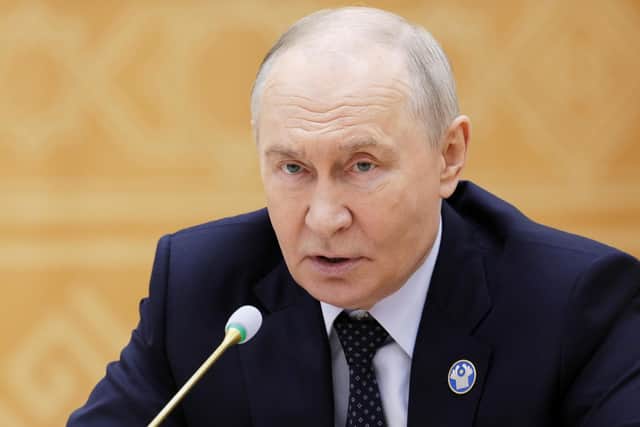
Against this gloomy backdrop there are two sentiments that are frustrating and pointless. The first is the what if question. How much better off would we be now had Russia not got a despotic president in Putin, determined to settle scores around the break up of the old Soviet Union. His war in Ukraine has changed political alliances, trade flows and the threat level to Europe all of which have damaged economic growth and stability. Geopolitical instability was then made worse by Donald Trump’s decision to abandon his promises about no foreign wars, by joining with Israel to attack Iran. He had no plan for how to get out of that war or even an idea about what victory might look like. Even more than Putin in Ukraine, his actions and the impact on energy costs have left the world economy on the edge of recession, with people paying a heavy price via inflation.
The other wasted emotion is envy that others are getting more sympathy and support in dealing with the cost crisis engulfing agriculture The term crisis is often used loosely, but with the real sting of food price inflation likely to come in 2027 agriculture faces a huge problem if it cannot pass on higher costs to consumers, who increasingly cannot even afford present food bills. Under Brexit we are out of the actions the EU is taking both good and bad in the face of the energy supply issues driving costs. The EU is wrong to stick to some of its net zero thinking via tariffs on high carbon imports linked to fertilisers. But it was entirely right to give farmers aid towards the rising cost of fertiliser, with national governments given the option of topping that up. Now the Irish government in its recent surplus-driven budget, has agreed to top up by 200 per cent the support from the EU. This translates into aid worth around 30 a tonnes on fertiliser costs for farmers That will not head off the problem by any means but it will help and it is more than politicians are doing for farmers here facing the same crisis. So while envy might be a wasted emotion, in this case the green-eyed monster is hard to resist.