
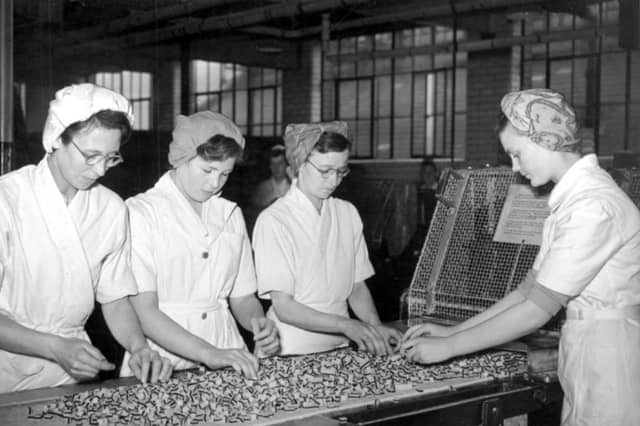


Liquorice Allsorts were invented in the city, legend has it as the result of a fortuitous accident, and are still made here today along with Jelly Babies.
Sheffield is also the birthplace of the travel sweet, courtesy of Simpkins, and of Yorkshire Mixture, made by Maxons.
And it’s where the beloved confectioner Thorntons opened its first ever shop in 1911.
George Bassett & Co, better known as Bassett's, was founded in Sheffield by George Bassett in 1842 and the factory in Owlerton is still churning out confectionery, including Liquorice Allsorts and Jelly Babies.
It is today owned by Mondelez International, which merged it with Maynards to form Maynards Bassetts.
Liquorice Allsorts were supposedly invented by accident in 1899 when the sales representative Charlie Thompson dropped a sample tray of different liquorice sweets which became mixed together.
Simpkins has been making sweets, including its famous tinned travel sweets, at its home on Hunter Road, Hillsborough, since 1921. Today it produces around five million sweets there every week.
Maxons, on Bradbury Street, Meersbrook, is another traditional sweet manufacturer whose roots go back to 1885.
Thorntons began life on Norfolk Street, Sheffield city centre, in October 1911, when Joseph Thornton opened its first shop, the Chocolate Kabin.
In the early years, Joseph’s son, Norman, and his brother Stanley together created sweets including ‘Violet Cachous’, ‘Sweet Lips’ and ‘Phul-Nanas’, and by the 1920s they were making chocolate truffles, crystallised fondants and their famous Thorntons special toffee.
At its height, Thorntons employed 4,500 people at more than 370 high street shops and 229 franchise counters across the country, and had a factory in Woodseats, Sheffield.
Despite no longer having a physical presence on the nation’s high streets, the firm still sells chocolates online.
Those four historic confectioners and others feature in this illustrated look back through the history of sweet making in Sheffield.
The pictures show sweets being made, tested and packed at factories around the city from the 1800s until recent times.
They give a fascinating insight into the sweet-making process, showing the sugary treats being boiled, coloured and stretched into shape.
Even the old moulds used to make Jelly Babies, themselves forged in Sheffield, are featured in this retro photo gallery, as is the famous Bertie Bassett mascot, shown meeting younsters in the city.
The images show how the factories and the sweets they make have evolved over the years, but how in some cases the techniques used have barely changed down the decades.
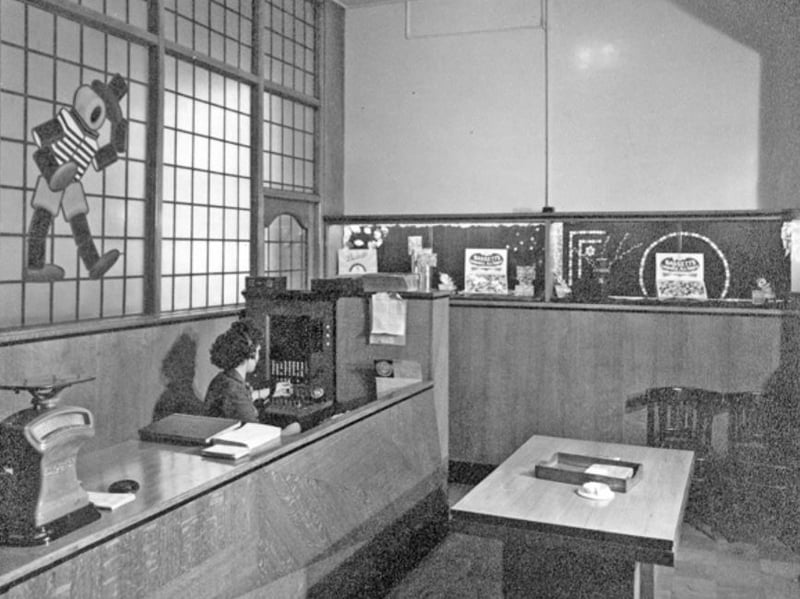
13. Factory office
George Bassett and Co sweet factory office, in Owlerton, Sheffield, some time between 1940 and 1959 | Picture Sheffield Photo: Picture Sheffield
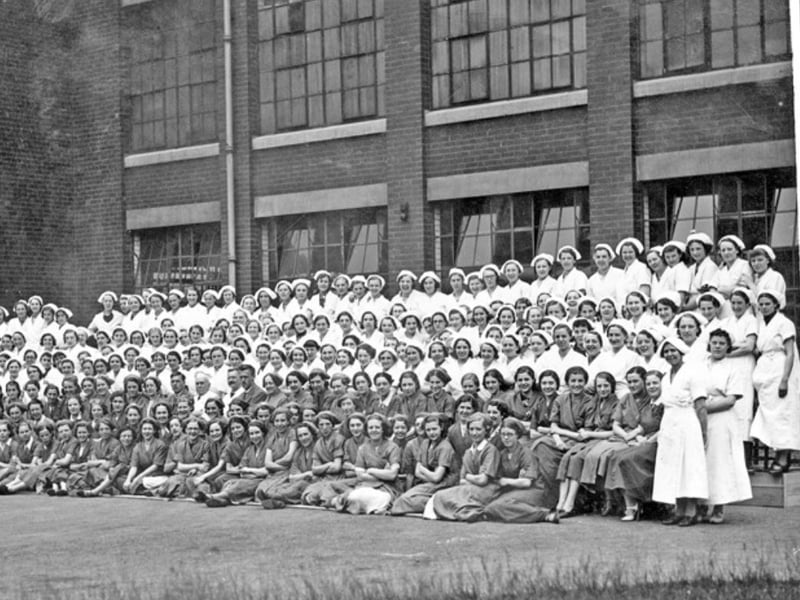
14. Staff photo
Bassetts staff pictured some time between 1920 and 1939 | Picture Sheffield/Sheffield Newspapers Photo: Picture Sheffield/Sheffield Newspapers
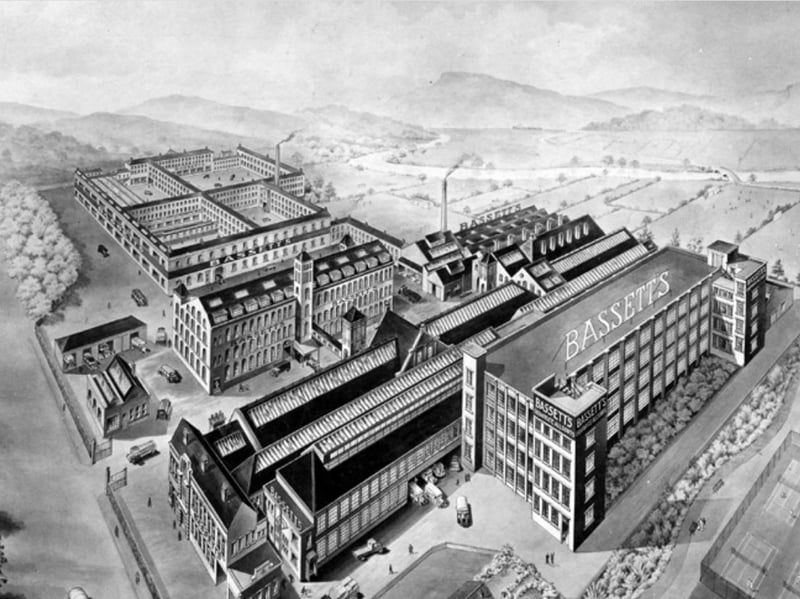
15. Huge factory
George Bassett and Co factory in Owlerton, Sheffield, pictured some time between 1920 and 1939 | Picture Sheffield/Geo E Scott (artist)/Geo Bassett and Co. Ltd Photo: Picture Sheffield/Geo E Scott (artist)/Geo Bassett and Co. Ltd
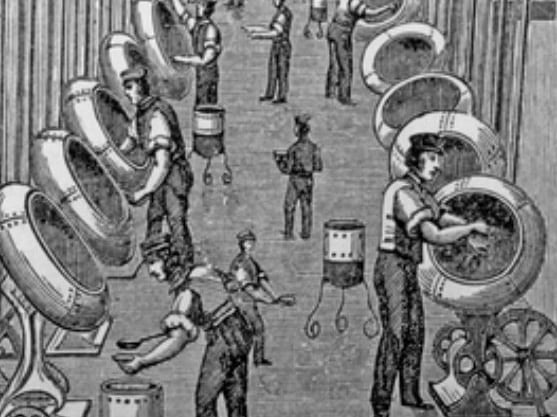
16. Comfit Room
The 'Comfit Room' at George Bassett and Co, on Portland Street, Sheffield, in 1862. | Picture Sheffield/Pawson and Brailsford Photo: Picture Sheffield/Pawson and Brailsford