
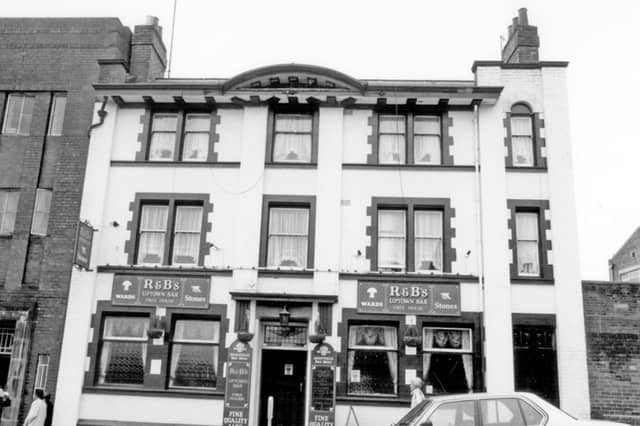


Today, Scotland Street is a relatively little known road on the outskirts of Sheffield city centre.
But it was part of the area dubbed ‘Little Chicago’ as gang warfare broke out in the city during the 1920s.
Before that, Scotland Street was the scene of a fatal pub shooting during the Sheffield Outrages of the 1850s and 60s, a series of murders and bombings supposedly carried out by trade unionists seeking better working conditions.
And even earlier, it was a flashpoint during the Chartist, protests seeking political rights for the working classes, with demonstrators meeting there in January 1940 prior to a riot on Haymarket where several people were deliberately shot by soldiers from Rotherham.
It’s perhaps unsurprising that Scotland Street was at the centre of both 19th century political agitation and the 20th century gang violence, born out of growing unemployment and rapid social change.
It was part of Sheffield’s manufacturing heartland and was home to pubs and clubs where workers could slake their thirst.
Today, there are still traces of its industrial past, mingled with student accommodation, a popular pub, a karaoke bar, a nursery, and a cafe and arts space.
But the street, which in the late 19th century had 14 licensed premises and one off-licence, is certainly a lot quieter these days.
This retro photo gallery shows how Scotland Street has evolved over the years, from the early 1900s to the 1990s, including old pubs, shops and manufacturing firms.
The premises pictured include the Italian Club, where violence erupted in 1925 between members of the rival Mooney and Garvin gangs, and the Crown Inn (today The Crow Inn), where the saw grinder James Linley was fatally shot in August 1859, reportedly for refusing for refusing to join the trade union.
Also featured is the old Queen’s Head pub, which was demolished in 2021 and replaced with a huge apartment block.
As for the name Scotland Street, it is believed to have come about through a simple misunderstanding, with the accents of the many Irish immigrants who arrived in the area during the 19th century being mistaken for Scottish ones.
All the photos are shared courtesy of Picture Sheffield.
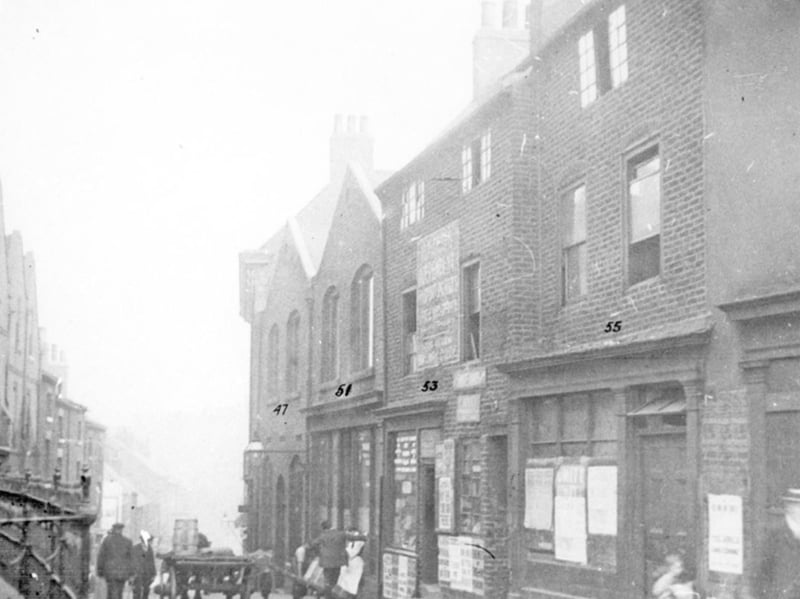
13. Lodging house
Scotland Street, Sheffield, in 1917, showing a lodging house (number 55) and a shopkeeper and beer retailer (number 53) | Picture Sheffield Photo: Picture Sheffield
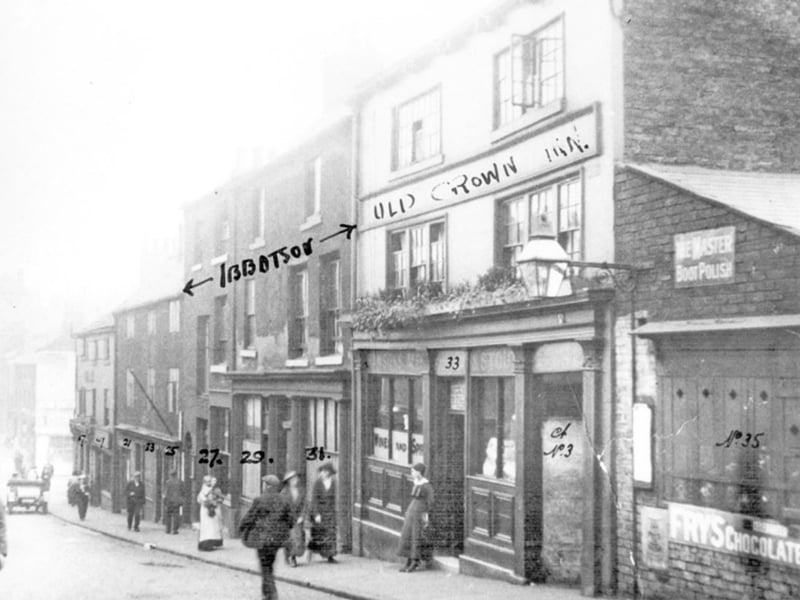
14. Old Crown Inn
Scotland Street, Sheffield, in 1917, showing the Old Crown Inn and the Ball Inn | Picture Sheffield Photo: Picture Sheffield
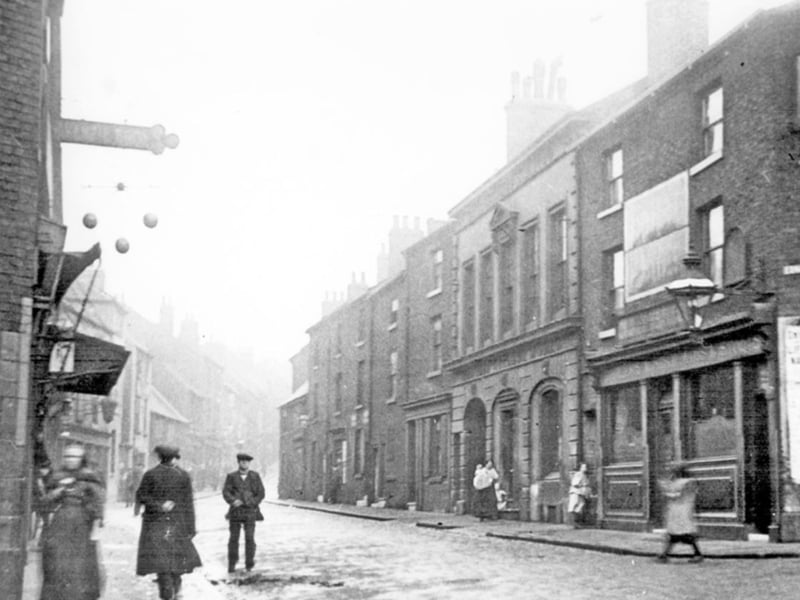
15. Fair Trade Hotel
Scotland Street, Sheffield, in 1917, showing the Fair Trade Hotel; J. Nowill and Sons, Cutlery Works; and McKenzie Brothers, pawnbrokers, on the left | Picture Sheffield Photo: Picture Sheffield
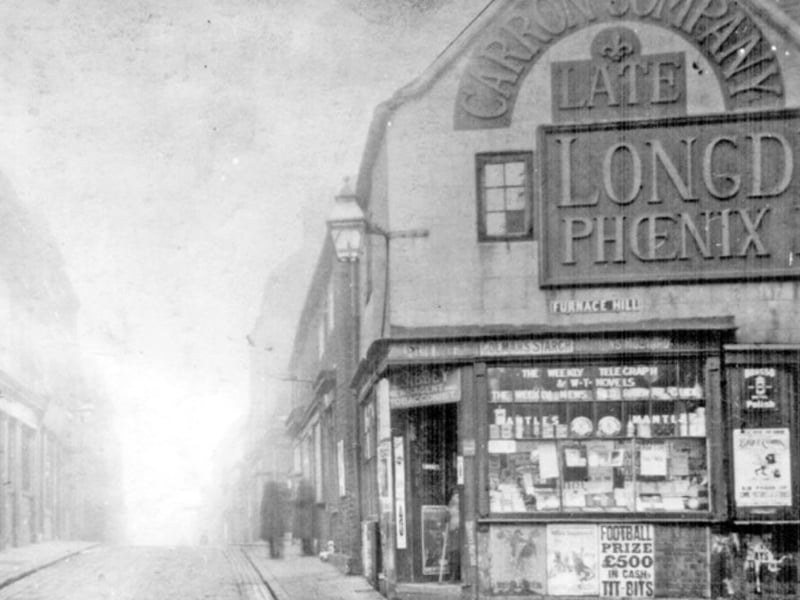
16. Newsagents
Mrs Eliza Abbey, newsagent (right), on Scotland Street, Sheffield, pictured some time between 1900 and 1919 | Picture Sheffield Photo: Picture Sheffield