
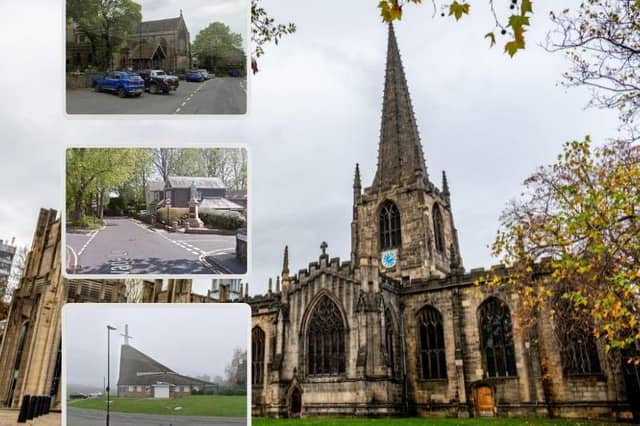


Sheffield has a rich history dating back centuries – and time has created some fascinating place names.
The people who have lived here over the generations have left traces of their history on the landscape, built environment and local economies – and also in the enduring names given to those places, with some of them coming from bizarre sources.
When it comes to British place names, Anglo-Saxon origins tend to dominate in the south and Scandinavian languages in the north, mixed in with Old British or Celtic terms for natural features such as hills and rivers. Sheffield located as it is in South Yorkshire, still shows the influence of all three factors in the names we find today.
Often towns and villages share common endings such as -tun (settlement), -ham (homestead), -feld (farmland), -by (village), -caester (Roman stronghold), -worthig (enclosure), -dun (hill), -halh (nook of land) – but these usually follow a first element which is much harder to define, especially when a personal name is concerned.
The famous Domesday Book – a land survey commissioned by William the Conqueror and completed in 1086 – shows some Sheffield names which have been modernised but otherwise changed very little in all that time.
To understand where they came from, we went looking in sources including the Oxford Dictionary of British Place Names, to put together this gallery.
Some of them are pretty strange.
How many of these villages have you been to?
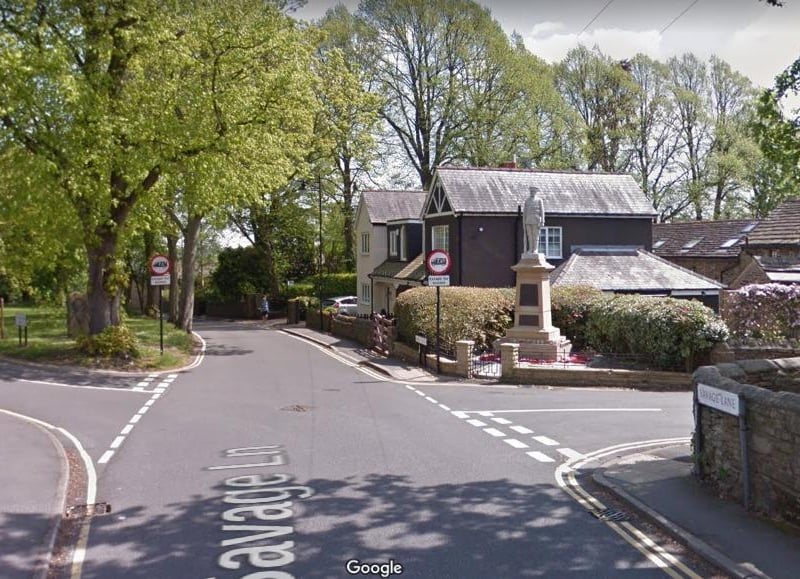
5. Dore
Dore: Mentioned in the late ninth century and the Domesday book, it means place at the gate, or narrow pass Photo: Google
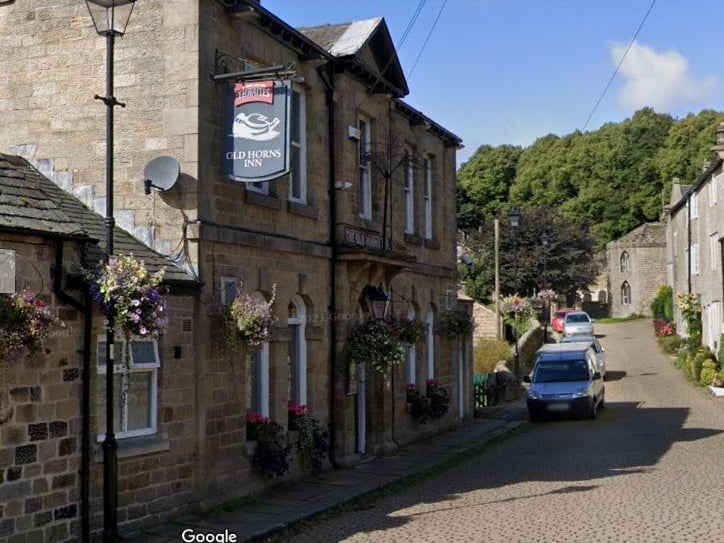
7. Dronfield
Dronfield: Dating back to the Domesday book as Dranefeld, it means open land infested with drones. Photo: Google streetview
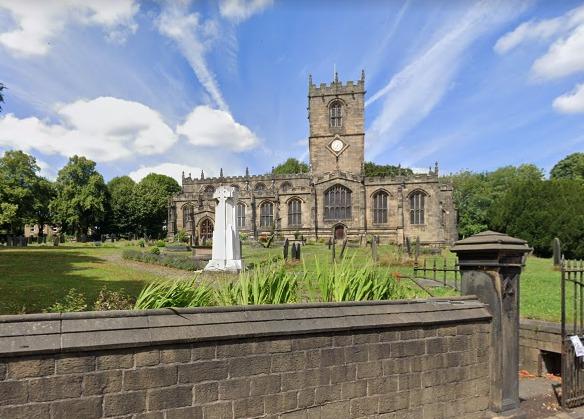
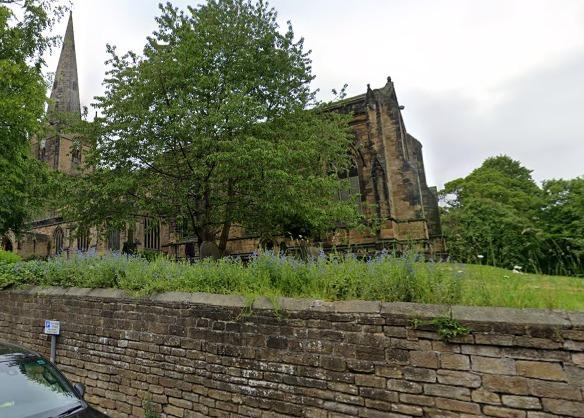
8. Ecclesfield
Ecclesfield: Eclesfeld in the Domesday book. It means open land near a Romano-British Christian Church. It has been suggested that Ecclesfield may have been an early 'mother church settlement'. Photo: Google streetview