
How long Sheffield will stay in Tier 2 lockdown and how we could move to Tier 3
Sheffield and the rest of South Yorkshire has been placed into tier 2 lockdown as a ‘high’ alert area for coronavirus.
From Wednesday, October 14, that means different households will not be allowed to mix indoors, while other new restrictions include only visiting relatives in care homes in ‘exceptional circumstances’.
But how long will those new rules remain in place and what has to happen before the city’s alert level could be lowered to ‘medium’, allowing different households to meet inside, or raised to ‘very high’, forcing pubs and bars to close?
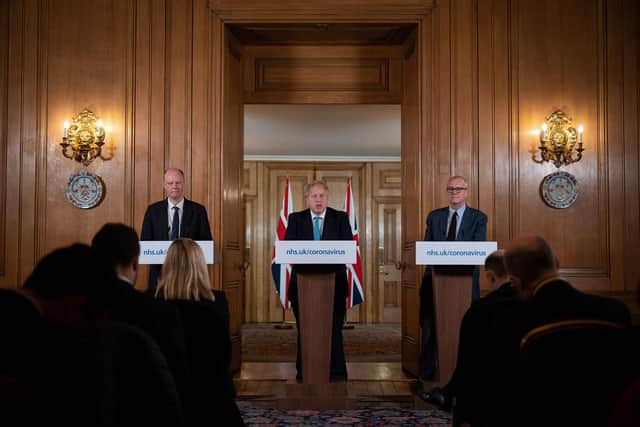

Under the new three-tier lockdown system, measures will be kept under review, with health secretary Matt Hancock reviewing areas in tier 2 at least fortnightly and the tier 2 restrictions once every 28 days.
A four-week ‘sunset clause’ will be in place for places in tier 3, enabling the toughest restrictions to be lifted if sufficient progress has been made.
There is no set Covid-19 infection rate which would trigger a particular area being moved up or down the tiers, with local circumstances being taken into consideration when deciding which of the three alert levels should be applied.
Nottingham has the highest infection rate in England yet it was placed in tier 2 rather than tier 3, which only applies to Liverpool City Region.
Nottingham City Council’s leader has suggested it escaped the toughest restrictions because its hospitals were not full and most of its cases were among younger people, who are at lower risk.
Sheffield has the eighth highest weekly Covid-19 infection rate in England, with 412.8 new cases per 100,000 people, but this has fallen slighly after a rapid rise in recent weeks.
It has a large student population like Nottingham and its hospitals are not full, though the number of patients with coronavirus has been rising rapidly.
The infection rate in Sheffield remains well above that in many other ‘tier 2’ areas like Wolverhampton, where the weekly rate is 104.4 new cases per 100,000 people.
As well as the infection rate, it has been suggested that the percentage of positive tests and the number of people over 60 testing positive will be taken into account when deciding which tier should apply.
- RELATED: Pride of Yorkshire trail raises £575,000 for Children's Hospital
- RELATED: Sheffielders have their say on staff pay to park at city's hospitals
- RELATED: Government to crack down on ‘cosmetic cowboys on the high street
- RELATED: Grandad who survived cancer diagnosis now working for hospital that saved him