
The Sheffield I never saw as a student that I now appreciate as a visitor
For years, I thought Sheffield was just a university city. Returning as a graduate made me realise I’d simply been living in the student version of it.
“It’ll be over in the blink of an eye.”
.png?trim=0,0,166,0&crop=&width=640&quality=65)

This is what my mum said to me four years ago as she dropped me into Sheffield to begin my university journey. This is also the sort of annoying thing adults will tell you when they know full well you won’t be able to relate to it until you’re passed whatever ‘glory days’ you’re about to enter.
Unfortunately for myself, I now tell my younger friends at work who are about to enrol into uni themselves, the exact same thing. Alas, the cycle continues.
Returning back to Sheffield a year after I graduated was interesting, as I began to understand the city from a different perspective - in other words I wasn’t just looking for the best pubs and clubs anymore. Instead, I now walk around fully grown, responsible, and still struggling up the intense hills as predicted. My accent may not be quite ‘reyt’ just yet, but I’m determined to keep learning all the famous Yorkshire slang from encounters with locals.
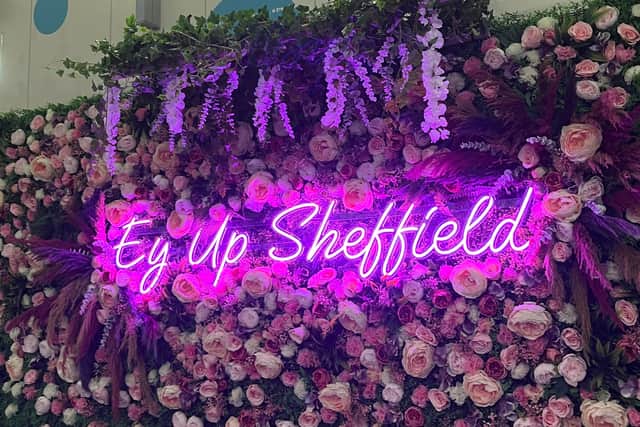
However, the main thing that struck me was how my perspective of the city had changed. When I was a student, Sheffield was lectures, mates, nights out, breakups and mistakes. Now that my student-bubble has been well and truly burst, I see Sheffield for so much more.
I notice the new independent businesses that have replaced old takeaways. I notice families spending their Saturday mornings in places I associated entirely with student areas. I notice working people commuting who I used to walk past daily without a second thought. I notice the people who call Sheffield home, rather than the teenagers who arrive every September and vanish three years later. But most importantly, I see that Sheffield doesn’t stop being Sheffield when the students leave.
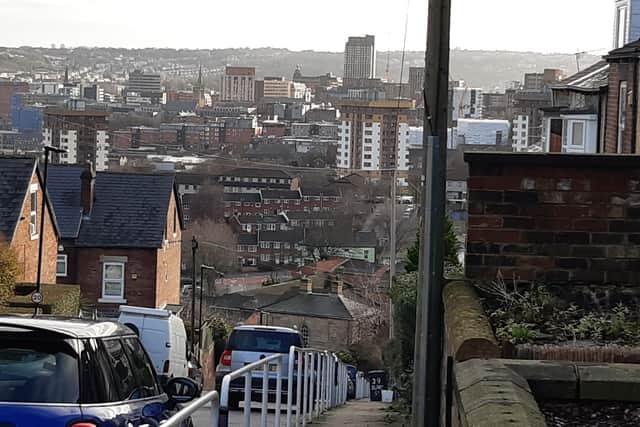
It sounds obnoxiously obvious, but when three years of living somewhere revolves around studying and cheap pints, it is surprisingly easy to forget.
One thing I couldn’t forget about the city was the hills. I returned to Sheffield knowing one thing for certain - they haven’t and will never get easier to conquer. However, I noticed that my perception of them had shifted slightly from being a massive inconvenience, annoyance and a huge pain in the backside, to actually allowing me to appreciate the landscape of the city. Alongside the hills, I began to notice the greenery, the views and everything that makes Sheffield’s terrain distinctive.
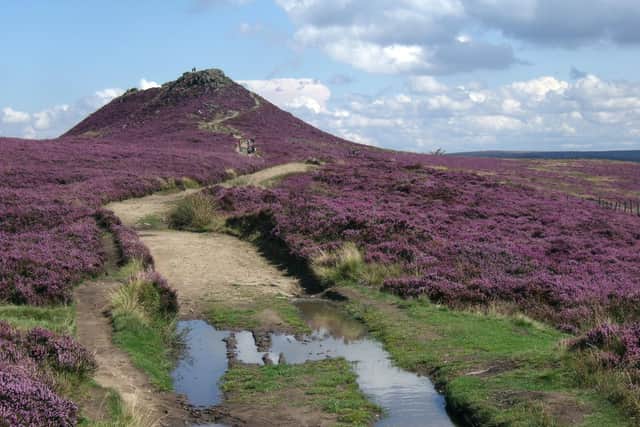
This includes the Peaks. As a student, I barely left the student areas, spending too many Saturdays nursing a hangover to realise… hang on… Sheffield practically has an entire national park attached to it?

What may seem blindingly evident to a Sheffield local might be hidden in plain sight to a student, and I first saw this within myself when I began to notice old mills, factories and industrial buildings dotted around the city. Coming back here with more perspective on life, these ‘old buildings’ now show me just how much of Sheffield’s identity comes from industry and steelmaking, whereas the only Steelers I was aware of beforehand was the ice hockey team.
From actually taking in and noticing architecture, to having multiple conversations with locals, I now recognise how much of Sheffield’s identity is made up of industrial history. However, it is impossible to discuss the city’s identity without mentioning the signature Yorkshire accent. I arrived in the city four years ago thinking I’d eventually pick up certain phrases or words, but I still find myself trying to decipher Sheffield dialect from people who sometimes still sound like they’re talking a different language. Alex Turner might have taught me the meaning of ‘mardy’, but getting told to ‘tek a left dahn gennel’ or ‘get some Hendos on it’ still baffles me. (Shoutout to Henderson’s Relish - this might be the best thing to come from Sheffield.)
As much as these little local idioms never fail to make me laugh, they’ve made me realise that what I previously perceived as local eccentricity is actually something much more meaningful: a genuine pride in the city.
The slang, the steel, the hills, United, Wednesday, the constant debate over what counts as proper Sheffield - I genuinely didn’t see how much of Sheffield I was missing as a student. And perhaps that’s the strange thing about leaving somewhere. It isn’t until you return that you realise how little you saw when you were there.
Four years ago, I arrived in Sheffield thinking I was going to university for three years. I never expected to become quite so attached to a city that was supposed to be temporary. Now, a year after graduating, I’m back - still tackling the hills, still trying to understand the dialect, and still occasionally wondering what on earth a ‘gennel’ is.
But ultimately my mum was right. It really did go by in the blink of an eye. But perhaps what she missed was one important detail: you don’t always appreciate where you are while you’re busy living there.
Sometimes, you might just have to leave, come back, and rediscover it all over again to realise just how much you love it.
And for me, that’s Sheffield.