


No child deserves to go to school hungry or live without three square meals a day.
But it’s a reality that households across England live in poverty, and poor nutrition while growing harms a child’s development.
The official term is ‘hardship’ - how a person or child’s quality of life brought about by their nutrition and home circumstances can leave them tried, hungry, anxious and in no fit state to learn or grow.
Hardships like these are one of the aspects measured by the English Index of Multiple Deprivation, or the IMD. This ranks over 32,000 subdivided areas of England with a score of 1 - 10. An IMD of 1 marks an area as among the top 10 per cent most deprived areas of England, where people live with poorer incomes, job opportunities, education, health, and crime rates, as well as barriers to housing and services.
This month, the Government proudly announced the first step of its ‘free breakfast club’ scheme, a plan to, one day, ensure free breakfasts are available in all primary schools through funding.
A Government statement announcing the scheme reads: “Too many children’s life chances are being scarred by rising poverty, with one-in-four in absolute poverty as of 2023. The government is determined to change that, with the breakfast club rollout being driven alongside wider work of the Child Poverty Taskforce, which is set to deliver an ambitious strategy to increase household income, bring down essential costs, and tackle the challenges felt by those living in poverty.”
To begin, from April, 750 schools will be piloting the programme, including 16 from South Yorkshire.
The DfE also claims, out of the 180,000 children who will benefit from the pilot, 67,000 attend schools in ‘deprived areas,’ and the scheme will save parents £450 a year.
A statement from the DfE announcing the rollout said schools were chosen from areas across England to ensure the scheme tests and learns from a variety of locations, including those that do not currently run a breakfast club - as well as areas not considered deprived.
But it begs the question - why aren’t all the schools in the scheme being rolled out in deprived areas, to benefit the country’s poorest families first?
According to the latest IMD data from 2019, Sheffield sadly has some of the most deprived areas in all of England, such as parts of Arbourthorne and Manor, which rank 105th out of the country’s 32,000 subdivided areas of England. Parts of Woodhouse are ranked at 270th. This places them not just in the top 10 per cent of the most deprived areas, but in the top one per cent.
However, the pilot has looked over schools in these areas and extended the scheme to parts of Totley, in Sheffield and Bawtry in Doncaster, which are among the least deprived areas in the country. The average house price in Totley is £430,000.
The Star has below listed the 16 schools in South Yorkshire that, from April, will benefit from the free breakfast club scheme, and where they place in England’s Index of Multiple Deprivation
All the children in all the schools below - indeed, in every school - deserve to go to class on a full stomach and have the chance to learn. But in choosing these schools, has the Government overlooked areas in South Yorkshire who need the help more urgently?
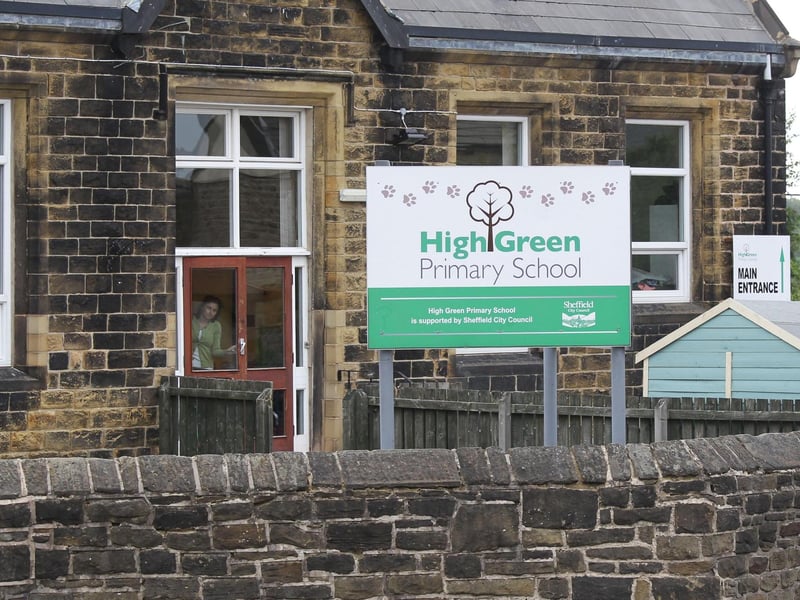
13. High Green Primary, Sheffield - 3rd IMD Decile
High Green Primary School, in Wortley Road, High Green, is in the S35 4 postcode of Sheffield, and is in the 3th IMD Decile, placing it among top 30 per cent most deprived areas of England. The average house price in this area in the past 12 months is £240,000. | Jpi Photo: JPI
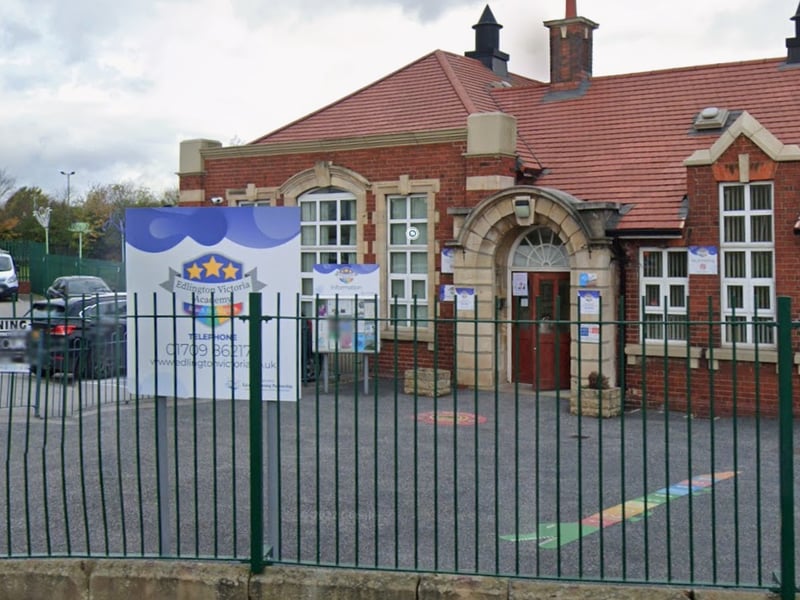
14. Edlington Victoria Academy, Doncaster - 2nd IMD Decile
Edlington Victoria Academy in Victoria Road, New Edlington, is in the DN12 1 postcode of Doncaster, and is in the 2nd IMD Decile, placing it among the top 20 per cent most deprived areas of England. The average house price in this area in the past 12 months is £123,000. | Google Maps
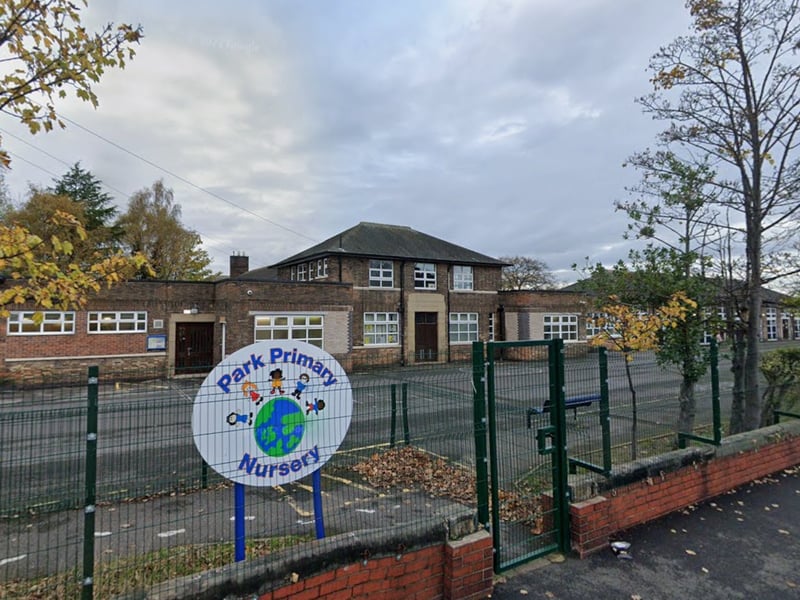
15. Park Primary Academy, Doncaster - 1st IMD Decile
Park Primary School, in Monmouth Road, is in the DN2 4 postcode of Doncaster, and is in the 1st IMD Decile, placing it among the top 10 per cent most deprived areas of England. The average house price in this area in the past 12 months is £141,000. | Google Maps

16. Coleridge Primary School, Rotherham - 1st IMD Decile, and among the top 1 per cent most depived areas in England
Coleridge Primary School in Coleridge Road, Eastwood, is in the S65 1 postcode of Rotherham. Not only is it in the 1st IMD Decile placing it among the top 10 per cent most deprived areas in England, but its IMD rank of 252 out of 32,844 makes it among the top one per cent. The average house price in this area in the past 12 months is £91,000. | Google Maps