
'Ban social media but not YouTube': Meet the Sheffield Y6 girls who got sick of scrolling and went smartphone-free

“I’m sick of scrolling all the time - it makes me feel uncomfortable”
Three Sheffield Year 6 girls who went smartphone-free after getting sick of scrolling say they ‘love’ the upcoming social media ban - but it would be better if tech companies got their act together.
Sara, Madison and Athya handed in their phones and swapped to Nokia 3310 ‘bricks’ as part of a challenge at Ecclesfield Primary School.
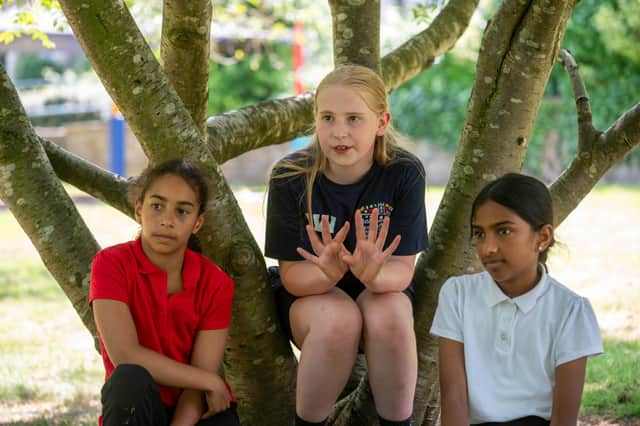

The three 11-year-olds volunteered as part of the project led by Ecclesfield Secondary and Lound Junior School.
Now, they say they don’t know what they did before they had their phones - but hope other children will give it a go too.
“We had to sign up to give up our phones, and had a ‘Big Hand In’ in an assembly room,” Madison told The Star.
“I don’t have social media any more. I use Life360 to track my parents to see where they are, and sometimes I play games.
“But I’m sick of scrolling all the time. It makes me feel uncomfortable.”
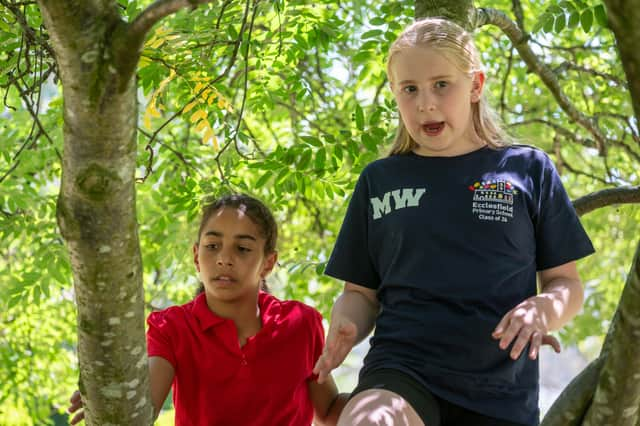
“I use it to take pictures and phone my mum and text friends,” said Sara.
“I wouldn’t say I’m addicted, but I do scroll at least once a day for 20 minutes.”
“I don’t like scrolling,” said Athya. “But, like, I still do it.”
In a bid to set a good example, some teachers turned in their phones as well as families were asked to think about their phone time.
Ecclesfield Primary teacher Sheryl Garner said: “One teacher turned in their smart phone and got in trouble when they tried to pay for parking without a bank card. Then remembered they had a concert but the tickets were on their phone.
“We don’t want to encourage a screen-free or phone-free childhood, but a smartphone free childhood. There are so many options for devices that are more appropriate for each age group.
“We also don’t want to alienate children by making them the only child without a phone.
“When we asked children why they wouldn’t want to give up their phone, they said they didn’t want to miss friends arranging get-togethers or missing out. It was all FOMO. It would be better if no one had a smartphone.”
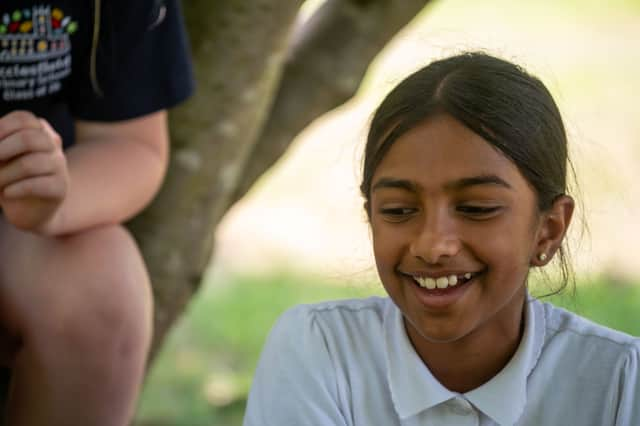
Madison, Sara and Athya are aware of the upcoming UK ban on social media for U16s, which will block access to many sites like TikTok, Instagram and YouTube expected in spring 2027.
“I love the ban,” said Madison.
“I think they should ban them all. But not YouTube. There’s lots of educational things on there, like DIY and crafts.”
The ban will block YouTube for U16s, but not the YouTube Kids co-site, which heavily restricts content and what users can do.
The girls don’t like YouTube Kids.
“I used to watch kids shows, but now kids shows aren’t what they used to be,” said Athya, to which Sara and Madison hummed in agreement.
“I think they shouldn't ban YouTube and should just make it better and more clear,” said Sara.
“If it’s videos that help like DIY, they can keep them, but there should be something checking the videos to see if they’re appropriate.
“Or, like, YouTube Kids, but it’s just DIY videos. ‘YouTube DIY’.”
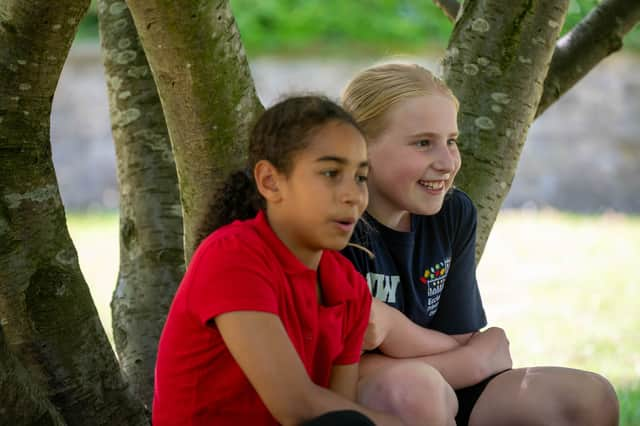
The girls talked enthusiastically about hobbies they picked up from YouTube, particularly baking. Athya said she made strawberry jam the night before.
They touched on some of the unpleasant feelings they get when scrolling.
Athya said: “My parents showed me something about two celebrities getting married, and I told them ‘that’s AI, can’t you tell that’s AI,’ and they said ‘no no it’s real’.”
“There are so many staged videos, where a bystander is just there and filming” said Sara. “Why don’t they stop filming and help? It’s so obvious it’s staged.”
“Some videos are scary,” said Madison. “I saw a few videos that upset me.
“There was a video of a man throwing a dog down a manhole. I think it was AI. I hope it was AI.
“When I'm scrolling I feel uncomfortable. I've stopped because my younger sister was scrolling so much. Or I started a timer on my phone for 30 minutes and stopped when it was up.”
We asked the girls: ‘What social media websites and apps would you delete from the internet forever, if you could?’
| Maddie | Athya | Sara |
| InstagramFacebookXWhatsAppSnapchatTikTok | InstagramFacebookXSnapchatTikTokYouTubeRoblox | InstagramXSnapchatTikTok |
The girls say they want to make better habits when the project is over and are trying to convince their friends to ‘stop scrolling’.
The phones-free project will enter its third academic year this September, just months before the social media ban arrives.
The UK will be going further than the Australian ban on social media, with blocks to other functions it claims are “harmful” such as livestreaming, as well as restricting certain functions of AI chatbots for under-18s.
The UK government claims that up to 90 per cent of British parents support the policy, but experts argue that evidence of the benefits for mental health and wellbeing is limited.
Meanwhile, the British Medical Journal published on June 24 how “85 per cent of a group of Australian 12 to 17-year-olds were using restricted platforms” despite the ban.
Executive head of Ecclesfield Primary, Mrs Louise Chadwick, said: “Participating in this project has been a wonderful opportunity to promote the protection of our children’s future and educating families about age appropriate use.”