
Sheffield social club's fight for survival in face of "crippling costs" and changing habits
“The club culture has changed unbelievably. It's a very difficult trade to be in”
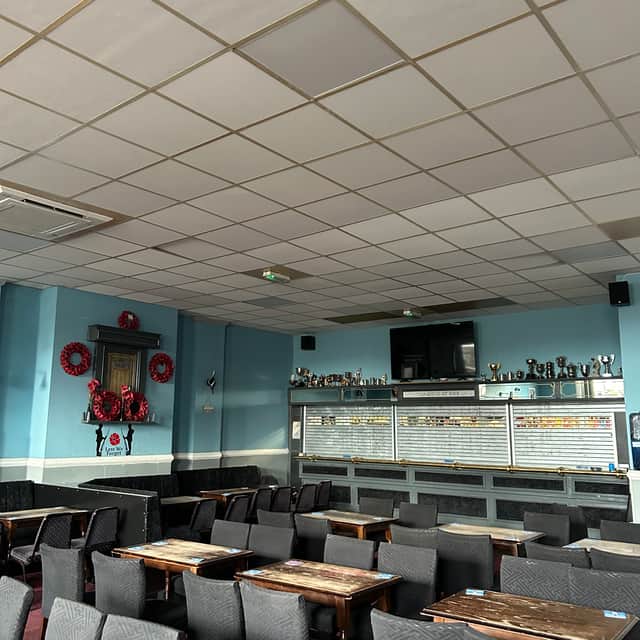
A social club’s steward said he won’t let his north Sheffield institution close, despite it being “run down for years”.
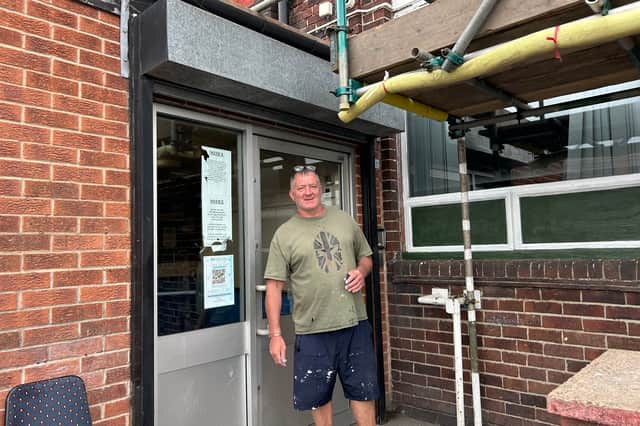

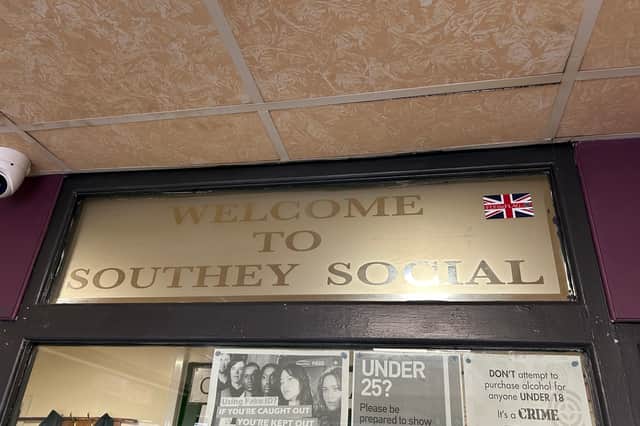
Southey Social Club has been a community pillar since 1936, but more recently has faced increased financial challenges.
The club is run by a committee, and 61-year-old Darren (Daz) Mullen has been managing the bar for two years.
He was born and bred in Southey and has been a club member since he was 18-years-old.
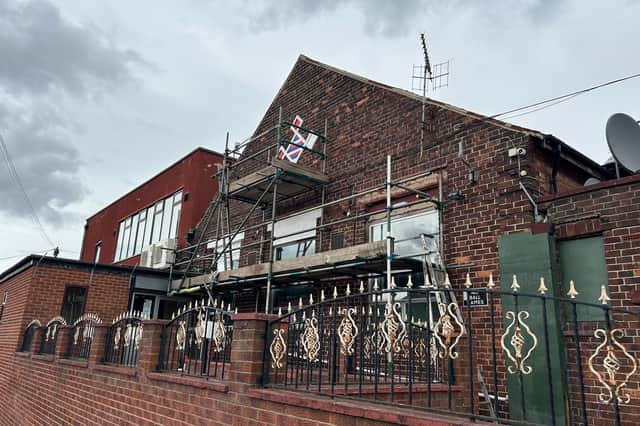
He said the club is struggling for trade and to make money and locals worry it might not survive.
“I knew what I was walking into when I took it over,” he said.
“But I won't let it close. No chance.”
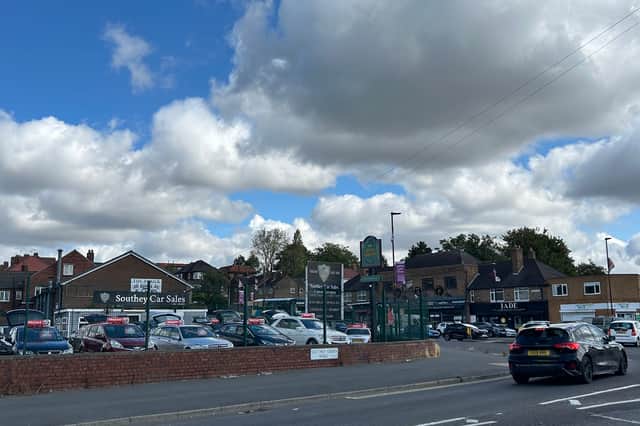
He said every Sunday back in the day, regulars would come to Southey Club at midday, then walk across the road from 2-3pm to The Magnet, a pub “infamous for trouble” that closed down in the 90s.
They’d then go home for a nap before going back to Southey Club at 7pm and ending up back at The Magnet.
Even in recent years, Southey Club hosted “thousand pound top bands,” but Mr Mullen said it can’t afford that now.
“The club's basically been run down for years and years,” he said. “Neglect, a lot of neglect.”
He said the challenges are coming from all sides, from minimum wage rises to VAT, to the knock-on effects of the sugar tax.
“The breweries get hit, so they hit us,” he explained.
“Our electric bill is between £2,500-3,000 per month, and it's crippling us. Absolutely crippling us.
“You can go back as far as opening all day, that spoilt it. Then it went to the smoking ban, that put people off, and then the pandemic just really wrote a lot of places off.
“That pandemic we had, everybody built man caves and everybody started stopping in. It's a knock on effect from that.
“Across the country there’s a ridiculous amount of clubs closing."
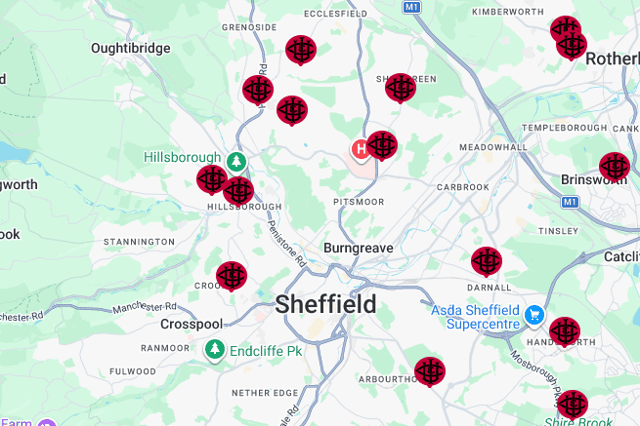
According to the BBC, in the 1970s, about 4,500 venues were members of the Club and Institute Union (CIU), but now the figure is around 1,100.
“The club culture has changed unbelievably,” Mr Mullen said.
“There's that many pubs closed. It's scary, to be honest. It's a difficult, very difficult trade to be in.
“We hate putting prices up, we put them up twice this year. Probably 20p all in on everything. A lot of people don't understand, we've got to do it."
He's now thinking of ideas of how to turn things around, including putting part of the building up for sale, and getting solar panels.
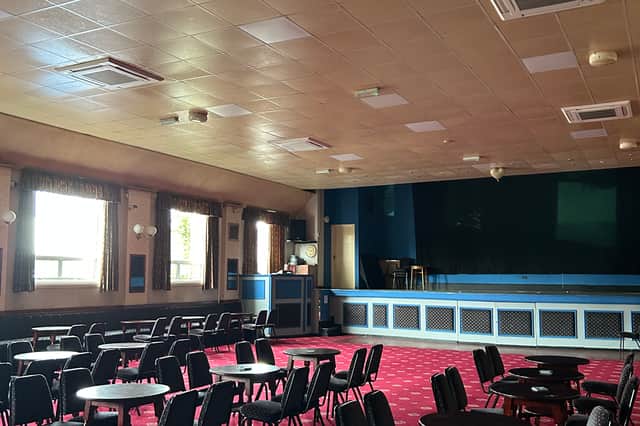
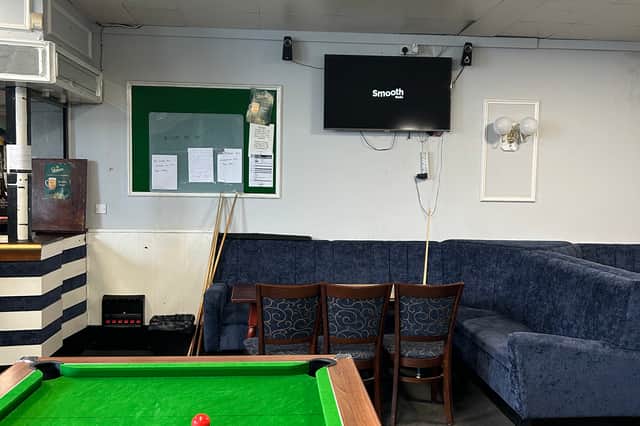
He's also trying to “smarten the place up” inside and outside, and has so far refurbished the carpets, reupholstered the chairs, got a new bar fitted and a new cellar.
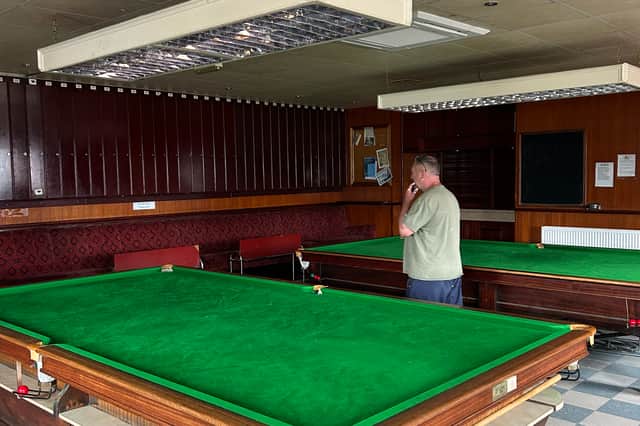
He said despite a quiet year, trade is picking up.
Southey ward councillor Yvonne Sykes said: "Southey cannot afford to lose a much needed community venue.
"I understand that the situation is rather dire, and that if they don't manage to raise funds, the club is facing definite closure, short term. They need to act quickly I'm afraid."
Are the challenges too great for social clubs to survive?
Kenneth Green, 75, from Barnsley, is the general secretary of the CIU.
He said social clubs around South Yorkshire were impacted by steel and coal industries being “decimated”, which stopped money flowing into the hospitality economy.
More recently, he believes trade has struggled to recover from the Covid pandemic and people now have less money for leisure.
“The members are the owners, basically,” he said.
“If the members are not using the club, as has been found lately, then unfortunately, the clubs fail to survive.”
He explained that whether a club adapts well is down to the professionalism of committees, knowing their membership, and offering what their members want.
“It's no use putting it on a bingo session and expecting 18-year-olds to come in,” he added.
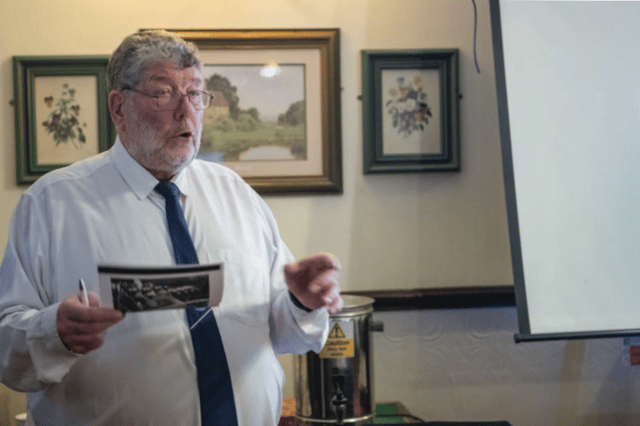
He said any rumours of tension between the established clientele and newcomers is “an old wives tale”.
“The old working man's club has developed a reputation over the years, falsely. It's never been the case. We'll always get on with people and welcome people in," he said.
“It’s not all about drinking,” he added. “It's about the social body of villages actually.”
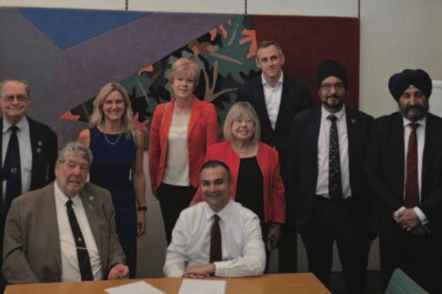
He explained to an All Party Parliamentary Group in June how much it would cost local authorities to provide the same social events or entertainment, as social clubs do for their members.
“It would cost them a fortune,” he said.
“The social aspect, the cost of not having a club far outweighs the cost of having a club.
“If local authorities and government realise that - they might realise it when there's 20 clubs left instead of a thousand - it's not insignificant, when you look at this social enterprise.”
Mr Mullen said Southey Social Club has a good community of "down to earth" friendly regulars, despite getting a bit of trouble.
He said people, especially Sheffield Wednesday fans, come to watch football, Thursday night is bingo night, the club hosts boxing events and reggae nights, and from this month it is starting a pool league.
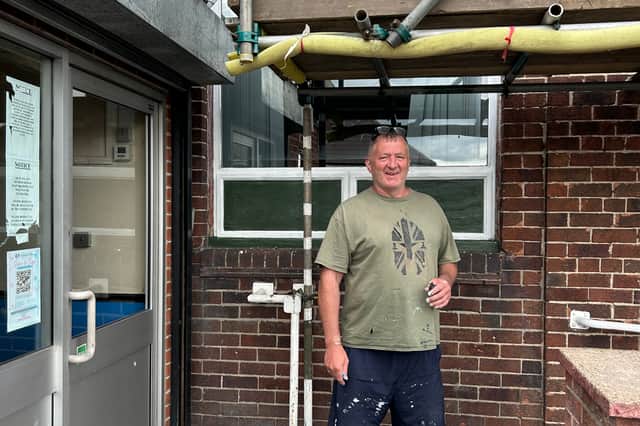
“It’s just about trying,” Mr Mullen said.
He is relieved the government is bringing in business rates relief in April 2026, saying: “Hopefully we can survive until then.”