
What would it be like to be on a crisis footing over environmental breakdown?
Most of us are aware that the world is experiencing climate and wider environmental crises, however few of us behave as though this is the reality – including our government representatives at both a national and local level.

Many people have adjusted their behaviour as consumers – eating less meat, buying more local produce, flying less, recycling etc., but this is insufficient if we are to avert environmental catastrophe. We need systemic change.
During times of national crises such as war, governments introduce measures to ensure that countries can weather the storm. Massive changes involving direction by the state cannot be done just by decree. In the end it is about inventing new ways to organise and coordinate, and to strengthen local communities. A huge leap in our collective imagination is needed.
I am inviting you to come on an imaginary journey with me to think about what being on a crisis footing over environmental collapse would entail.
The consensus is that resilience is best achieved through local organisation, through local government – although core decisions and directives will often be determined nationally. So ‘business as usual’ will no longer serve us, instead governments will need to redirect industrial capacity and resources towards emergency decarbonization, restoring eco-systems and building local infrastructure able to withstand the effects of environmental breakdown.
So that everyone’s needs are met, resource management would be necessary, limiting personal carbon footprints, reducing over-consumption, and introducing rationing and price controls, including rent controls; all routine wartime measures and vital to ensure equality of access to necessities of life.
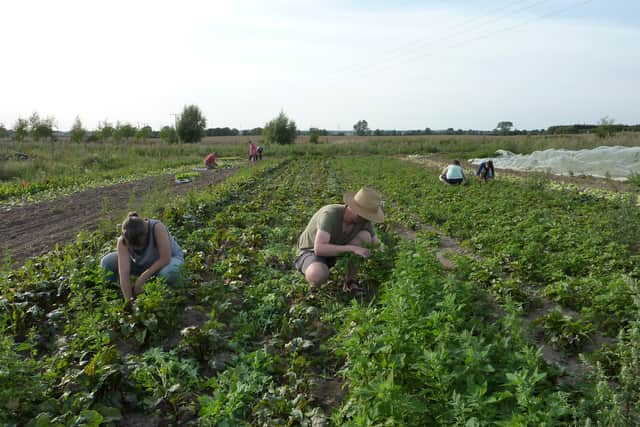
Localised self-sufficiency and resource sharing will be essential and food security an absolute priority, with a shift from importing food to growing locally. Innovative measures will include a basic income for farmers. Huge gains can be made through the reduction of food waste, very high in Sheffield, currently making up around a third of the contents of our black bins.
Biodiversity loss poses a serious threat to food security – not least because we need a thriving population of insects to pollinate our crops. Urgent measures are needed to recover habitats and reduce toxins such as pesticides.
Manufacturing supply chains will be repurposed to support the development of renewable energy and sustainable public transport; and to ensure the availability of clean water, nutritious food, pharmaceuticals, and other necessities of life.
We urgently need our government and local governments to step up and act.