
Sheffield’s urban rivers are a secret haven for nesting birds
While parks and gardens are traditionally viewed as prime nesting habitats, Sheffield's river corridors provide vital nesting sites for dozens of bird species, yet they remain largely overlooked by the public.

Geoffrey Guy, Managing Director at Riverlution, explains which species nest along the city's waterways and how the public can avoid disturbing them during this critical breeding period.
What you’ll find in Sheffield
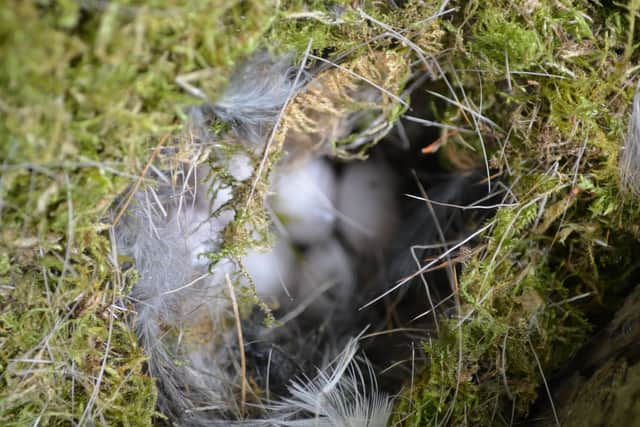
At this time of year in particular, it’s the season for bird nesting, just as the quantity of daylight increases and the leaves start to appear, so do the migratory birds that are returning.
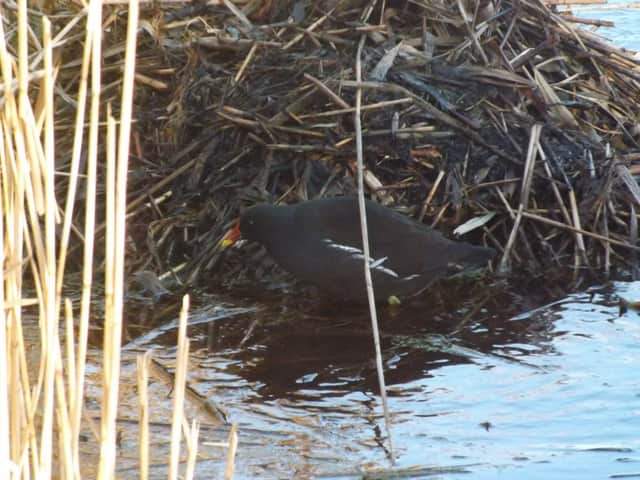
On the riverbank, we have some of the earliest nesting birds, herons up in the tallest of trees in their ‘heronries' and ducks and moorhens at ground or water level, where they are particularly vulnerable to human activity and to predators.
Even though a lot of the tree work we do on the riverbank comes to a natural halt at the end of winter, there is still vegetation management work to be done over the spring and summer period as part of the management of invasive species and flood mitigation, so we have to be really careful at this time of year.
Why nesting birds are key to the local ecosystem
Bird nesting is one of the clearest indicators that a habitat is actually functioning. If birds are willing to invest the time and energy to breed in a place, it tells you there’s enough structure, enough food, enough stability to support them. It’s a sign that what you’re looking at isn’t just visually improved, but ecologically meaningful.
The work we do at Riverlution, including the habitats we manage and the species we’re trying to support are all connected, and the outcomes we get are a direct result of how well we understand those connections.
Protecting nesting birds
Birds, quite rightly, have broad protections and damaging their nests or even disturbing their nesting behaviour is illegal.
Some birds, such as moorhens, have quite easy to spot nests, large messy piles of plant stems and even litter from the rivers on top of which they lay their eggs, while others are much more subtle.
If you're walking along the riverbank and you spot a bird behaving nervously, flying up repeatedly, alarm calling, or appearing agitated, you're likely too close to a nest, so the best thing to do is calmly move away and give them space. Our recommendation is to stay on established paths where possible and keep dogs on leads near the water's edge to avoid trampling through vegetation where ground-nesting birds like moorhens might be hidden.
We can't be everywhere at once, so we rely on the public to be our eyes and ears. If people understand why these protections matter and what they can do to help, it makes a real difference to breeding success along our rivers.