
Sheffield nutritionist Kate Wall cuts through hype around “functional foods” and gut health
"Often they’re just foods, or ingredients, that have been given a health-focused label with an extra cost attached"
From gut health drinks to mushroom powders and “adaptogenic” lattes, so-called functional foods are becoming increasingly visible on supermarket shelves and social media feeds.
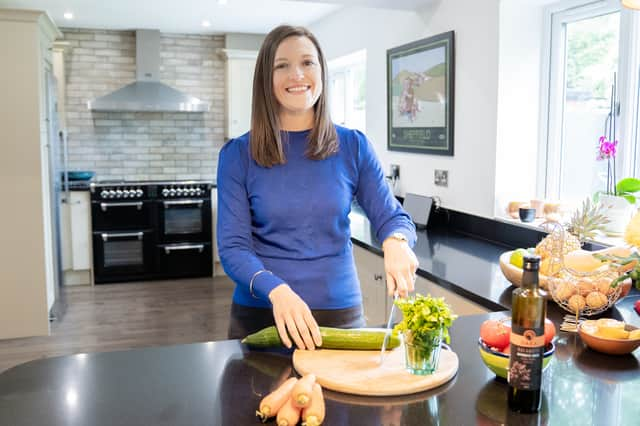

But according to Sheffield-based Registered Nutritionist Kate Wall, the growing trend risks becoming just another source of confusion, unless we take a step back and look at the bigger picture.
“Functional foods can sound impressive,” Kate explains, “but often they’re just foods, or ingredients, that have been given a health-focused label with an extra cost attached. The key is understanding what they actually do, and whether they’re useful for you.”
As founder of Kate Wall Nutrition, Kate is known for helping people cut through nutrition noise and build a more balanced, sustainable relationship with food, without rules, restriction or overwhelm.
She says the biggest risk is not the foods themselves, but the confusion they can create.
“People can start to feel they need lots of different products to be healthy, when actually the biggest benefits usually come from simple, consistent eating habits.”
What Are “Functional Foods”?
Broadly speaking, functional foods are those thought to offer additional health benefits beyond basic nutrition.
This can include:
Fermented foods such as kefir, yoghurt and kimchi, often linked to gut health
Adaptogens - Herbal supplements are sometimes grouped into the trend, such as ashwagandha, marketed for stress support
Mushrooms such as lion’s mane, increasingly promoted for cognitive health
While there is emerging research in these areas, Kate emphasises that many of these products are often marketed in ways that oversimplify complex science.
Gut Health: It’s Not Just One Food
Gut health, in particular, has become a major focus with many products promising quick improvements through a single ingredient or drink.
But Kate says this misses the point.
“There isn’t one ‘superfood’ for gut health,” she explains. “Your gut thrives on consistency, variety, and overall dietary patterns, not one-off additions.”
Instead of focusing on expensive or trend-led products, Kate encourages a more grounded approach:
Eating a wide range of plant foods
Including fibre-rich foods regularly
Adding fermented foods if you enjoy them, not because you feel you “should”
Managing stress
Exercise
The Risk of “Health Trends”
One of the biggest concerns Kate sees in her work is the pressure people feel to constantly optimise their diet.
“We’re seeing a pattern where people feel they need to add more and more powders, supplements, ‘functional’ products in order to be healthy,” she says.
“But often, that creates overwhelm and expense rather than benefit.”
This reflects a wider issue Kate frequently addresses with clients: the impact of conflicting nutrition messages and the belief that there is always a “better” way to eat.
A More Compassionate Approach
Through her work, including her Nourish & Flourish Online Community, Kate supports people to step away from all-or-nothing thinking and build habits that are realistic and sustainable.
“Nutrition should fit into your life,” she says. “It shouldn’t feel like another thing to get right or another standard to meet.”
“There’s so much noise around nutrition,” she says. “What many people really need isn’t more rules, but reassurance that they don’t need to do everything perfectly to support their health.”
Her message is simple: healthy eating should feel practical, flexible and achievable, not like another source of pressure.
Rather than chasing trends, Kate encourages people to focus on:
What helps them feel energised and satisfied
What fits their lifestyle and routine
What they can maintain consistently
Because ultimately, she says, that’s what supports long-term health.
Back to Basics
While functional foods can have a place, Kate’s message is clear: they are not a shortcut to health.
“You don’t need expensive products or complicated routines to look after your gut or your wellbeing,” she explains. “Often, it comes back to simple, consistent habits done with a bit of flexibility and self-compassion.”
For those feeling overwhelmed by nutrition advice, Kate shares practical guidance, recipes and support through her online community, helping people move away from confusion and towards confidence in their food choices.