
People in Yorkshire to help shape future of cancer prevention in bold new study
A major new study is enlisting more than 1,300 Yorkshire residents with inherited cancer risk to help investigate whether PARP inhibitors—drugs already used in cancer treatment—could also help prevent the disease in those carrying specific genetic changes.
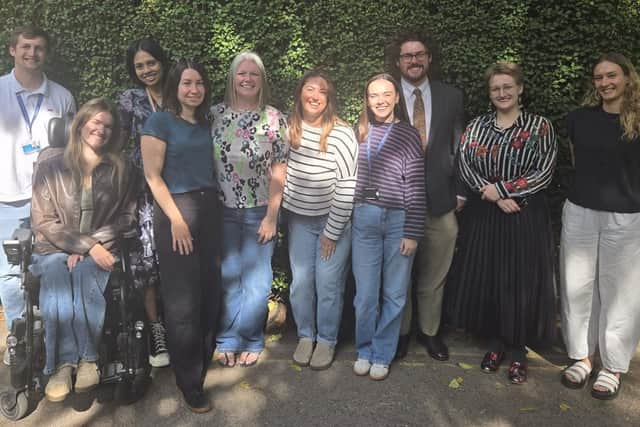

Supported by a £346,531 grant from Yorkshire Cancer Research, the PARCC (PARP Inhibitors for Cancer Risk Reduction in Carriers) study is being led by Dr Stephanie Archer at the University of Cambridge. The research will focus on people with BRCA1, BRCA2, and PALB2 gene variants, which significantly increase risks for cancers such as breast, ovarian, prostate and pancreatic cancer.
Traditional options for these individuals often mean surgery or hormone therapies, which are not suitable for everyone. For some, monitoring and lifestyle adjustments remain the main strategy. The PARCC study aims to understand whether those living with inherited genetic risk would consider taking PARP inhibitors to reduce their risk, and what factors would influence such decisions.
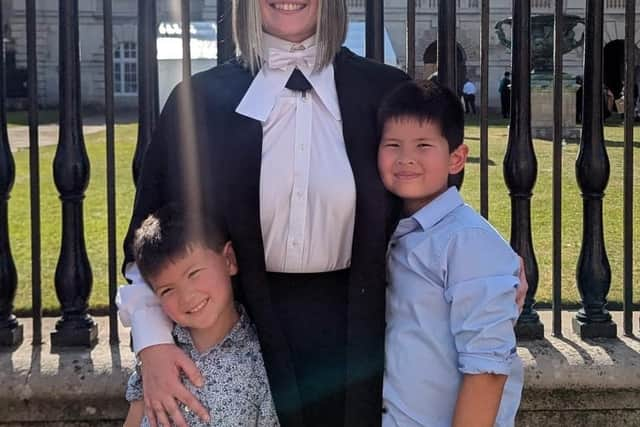
"This study will help us understand what matters most to people with inherited cancer risk, what benefits and risks they would consider acceptable, and what information they would need to make informed decisions about taking part in future research. Those insights will be crucial for designing any future prevention trials," said Dr Stephanie Archer, lead investigator.
Findings from the study will provide essential insight for future clinical trials and help ensure that prevention strategies better reflect the needs and preferences of those at genetic risk, particularly in regions like Yorkshire that have been historically underrepresented in research.

- RELATED: St Luke’s Hospice backs national campaign to protect end of life care
- RELATED: Pawesome new Cathedral calendar stars Sheffield pups
- RELATED: Sheffield-based Music in the Round shortlisted for prestigious Sky Arts Award
- RELATED: Sheffield Muslims mark centenary of mosque that helped establish their community