
Pair with more than 80 years on the bench urge others to become magistrates
Two magistrates with more than 80 years’ service between them, are encouraging people from all walks of life to become a magistrate.

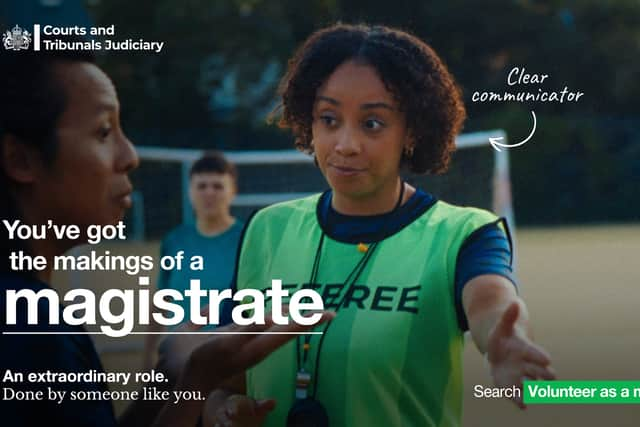
The pair are speaking out as part of a national recruitment drive You’ve got the makings of a magistrate’. It aims to recruit thousands more people and create a 21,000-strong magistracy in 2028/29.
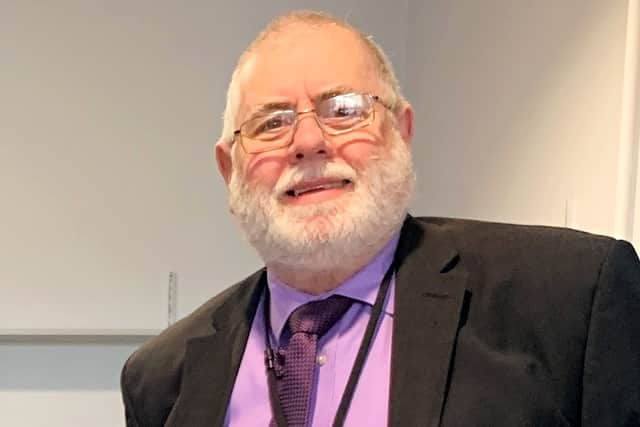
Bob Harper, 70, was appointed in 1985 after responding to an advert in The Star. Living in a mining village during the miners' strike, he saw becoming a magistrate to ensure local people had a voice in decisions affecting their communities.
Bob spent more than 40 years working for what became British Telecom, beginning as an apprentice straight from school before retiring in 2015. Throughout his career, his employer supported his magistrate commitments, and he never struggled to obtain time off for court duties.
Bob said: “I became a magistrate because I wanted to bring a community perspective into the justice system. I believed then, and still do now, that justice is best delivered by ordinary people who understand the communities they serve.
"Magistrates are ordinary members of the public who help ensure justice is delivered fairly, and that's something I've been proud to be part of for more than 40 years.
"It's a unique form of public service. The decisions we make can have a real impact on people's lives, so there's a huge sense of responsibility, but also real satisfaction in knowing you've helped deliver justice fairly.
"One of the biggest myths is that magistrates are somehow special. We're not. We're ordinary people from all walks of life who are willing to listen, think carefully and serve our communities.
"The courts have changed enormously over the years, but the importance of local people helping deliver justice has never changed. That's as important today as it was when I started."
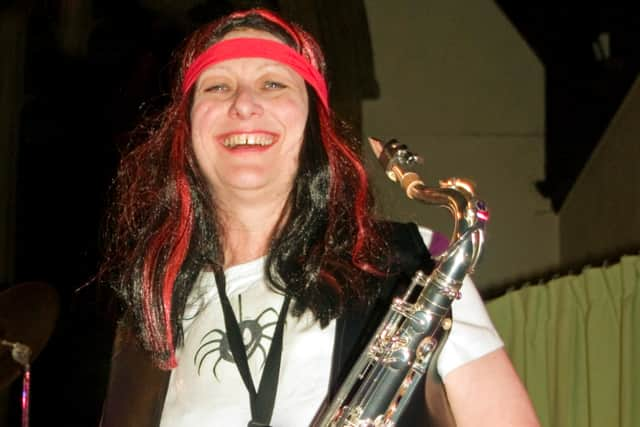
Marie Shipley-Beale, 72, was encouraged to sign up by her vicar, who believed she had the right qualities for the role and 43 years later, she’s still serving her community.
Marie had a long career as a psychiatric nurse in the NHS, later leading a specialist team delivering dialectical behavioural therapy for people with personality disorders. Her work brought her into contact with some of the most vulnerable people in society and provided valuable insight into mental health and human behaviour.
Marie said: "I never planned to become a magistrate. I was encouraged to apply because somebody thought I had the life experience and judgement to make a difference. Forty-three years later, I'm very glad I listened.
"It's not easy and it isn't something you do for praise, but it is endlessly fascinating. Every case is different and it continually challenges you to think, learn and understand other people.
"My work as a psychiatric nurse helped me understand some of the challenges facing people who come before the courts, and as a magistrate I've been able to use that experience to contribute to fair and informed decision-making.
"I've always believed that bringing different professional backgrounds onto the bench makes better decisions. Life experience is one of the greatest strengths magistrates have.
"You don't need legal qualifications. The legal advisers are there to guide you on the law. What you need is the willingness to listen, think carefully and keep an open mind."
Magistrates make real decisions that affect real people and they currently hear around 95 per cent of criminal cases. Magistrates volunteer for a minimum of 13 days a year, and receive full training and support from a legal adviser.
The new national recruitment campaign will launch across TV, audio and social media channels from today.
Justice Minister, Sarah Sackman KC MP said: "Many people think becoming a magistrate isn't for them. But magistrates are ordinary members of the public making an extraordinary contribution to their communities. If you're fair-minded, able to make balanced decisions and work well as part of a team, you already have the makings of a magistrate.
“This is about local people delivering local justice. It hands real power and real trust to local people, so that justice is decided by the community it serves.
Catherine Feast, Chief Executive of the Magistrates’ Association, said:
“A good magistrate is a team player, a problem-solver, a good listener, and shows good judgement and empathy in court. These are qualities that many people have, and we’d encourage anyone who thinks they have what it takes to do this demanding but rewarding role, to take the next step and apply to become a magistrate.”
New research commissioned for the campaign reveals widespread misconceptions about magistrates and what they do. Only 32% of British Adults surveyed correctly identified magistrates as volunteers from their local community. Nearly two thirds (61%) wrongly believed magistrates are legal professionals such as judges or paid court professionals rather than volunteers from their local community.
When asked whether they personally had the skills needed to be a magistrate, around half believed they had the skills and qualities needed to become a magistrate. Yet when shown the actual skills required, even more recognised those qualities in themselves, including fair judgement (75%), listening (72%), remaining calm under pressure (64%), empathy (62%), problem-solving (60%) and teamwork (48%).
Find out more at BecomeAMagistrate.uk
- RELATED: Bereaved families take fight over prison suicide crisis to Sheffield stage
- RELATED: Meadowhall Jobs Fair returns next week
- RELATED: Barnsley nature reserve opens to all after accessibility overhaul
- RELATED: Strictly Live Tour to return to Sheffield with Shirley Ballas, Anton Du Beke and Craig Revel Horwood on judging panel