On the Wildside wth Ian Rotherham: What is Native, where does Nature belong?
In early October this year, South Yorkshire Biodiversity Research Group is organising one of our twice-yearly meetings, and in this case, to debate issues of native and alien species, and emerging ideas of “recombinant ecologies”. Part of the discussion will focus on the conservation issues of “native vs alien” but in the context of historical changes and inevitable future fluxes in ecology.

With increasingly extreme climate change, globalisation, and urbanisation the baseline of environmental conditions, which have always changed, are now being altered very rapidly indeed. Ecosystems have also been affected by acid rain and now mass nitrogen pollution, and all these change ecology and the potential species present in any particular country.
This is all alongside widespread agricultural intensification and conversion of woods and other habitats to industrial forestry and raises questions of what we mean by “native” in this maelstrom of environmental flux. Indeed, there are major issues of perceptions in all of this, and often of subjective opinions which are sometimes misinformed in terms of both history and science. Scientists rarely admit that some conservation decisions are based significantly on what we like or dislike!
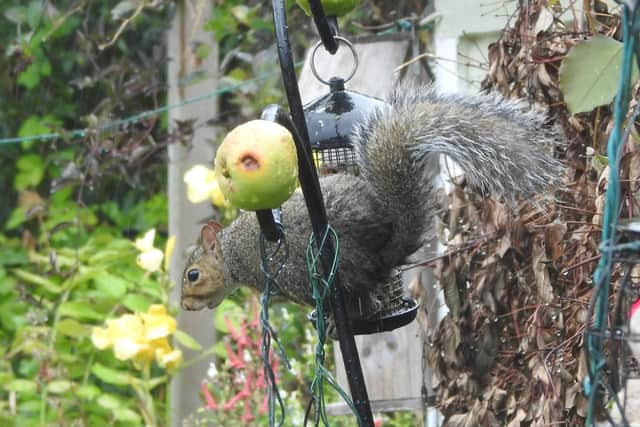
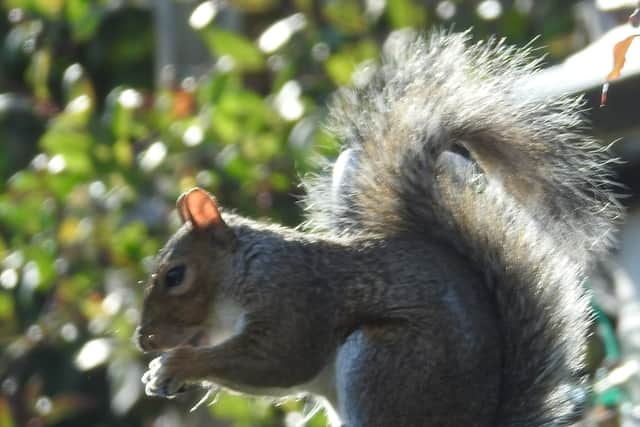
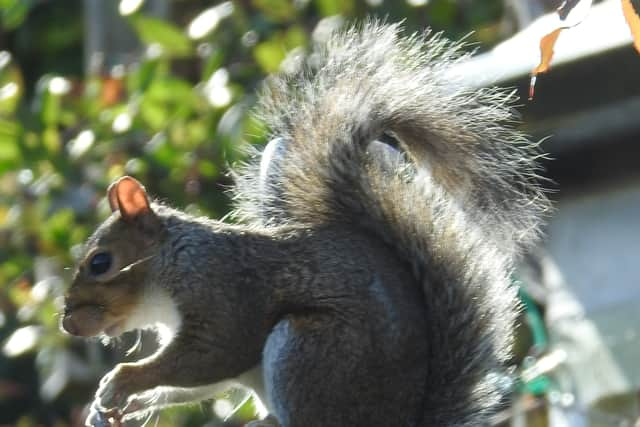
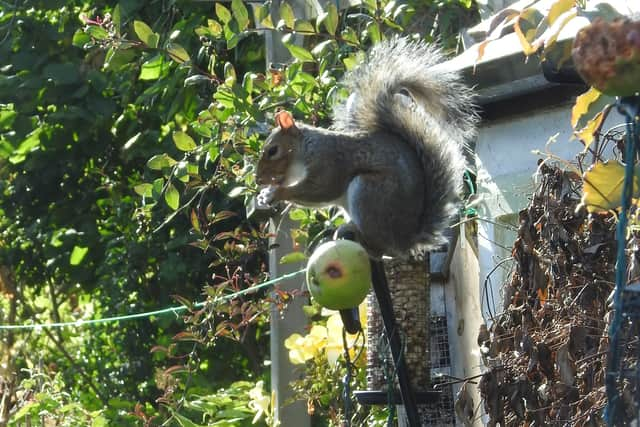
The Grey Squirrel, native to North America, is a case in point. Deliberately introduced to Britain by wealthy landowners from 1876 and 1929 in order to ornament their grand parks, it spread to become a major problem for economic forestry. The Greys were then in part responsible for declines in Red Squirrels (a species loved as “Squirrel Nutkin”!).
However, foresters used to pay a bounty for killing Red Squirrels and then as populations dropped due to landscape changes, landowners imported European Red Squirrel stock to re-populate the countryside. Some of these were obviously genetically different with dark, almost black fur. So, what is native and where do the various animals and plants belong. These are big issues because aggressive, invasive aliens are one of the biggest threats to global biodiversity, but these are complex matters. Futurescapes will inevitably mix so-called natives and non-natives in changing “recombinant” landscapes. Join us for the debate!
Professor Ian D. Rotherham, researcher, writer & broadcaster on wildlife & environmental issues, is contactable on [email protected] ; follow Ian’s blog (https://ianswalkonthewildside.wordpress.com/ ) and Twitter @IanThewildside; BlueSky @ianthewildside.bsky.social