On the Wildside with Ian Rotherham: The winter titmice
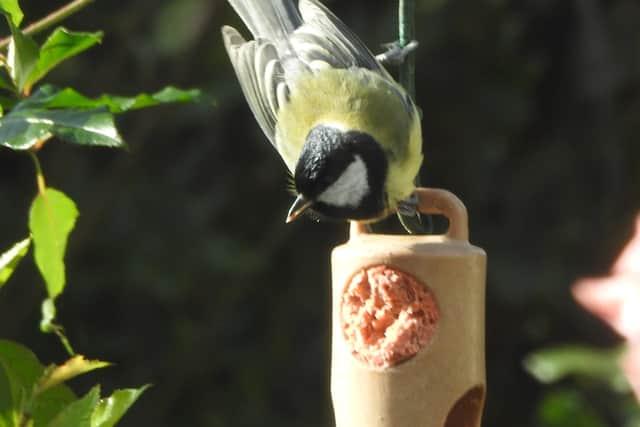
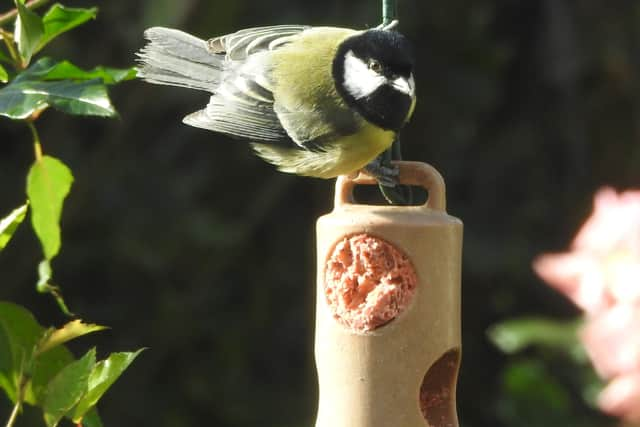
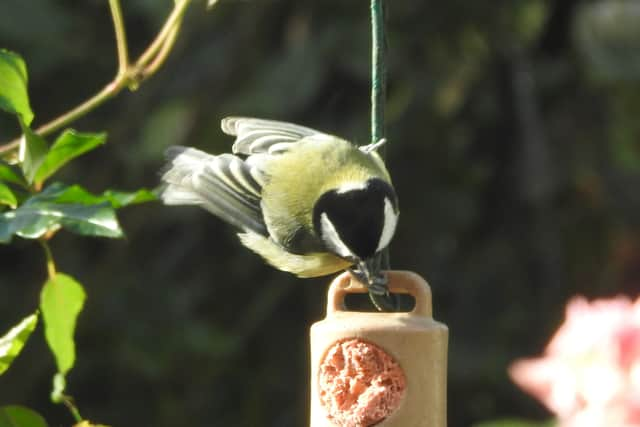
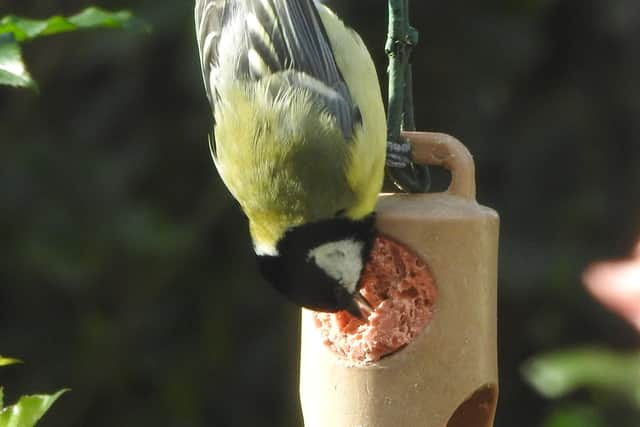
They are among the most recognisable visitors to British bird tables, but research and field observations reveal that Great Tits lead perilous lives marked by predator evasion and ruthless aggression.
One of our most familiar small birds at the garden feeders is the Great Tit or Greater Titmouse, a species with many common and folk names, often derived from the distinctive black cap and white facial cheek-patch. These include Oxeye, Oxeye Tit, Black-cap Tit, Black-headed Bob or Joe, the Cornish Pennglow Bras (which translates as ‘large, black head’), and Tom Tit (which was an affectionate term for either Blue Tits or Great Tits). Both ‘Tit’ and ‘Mase’ or mouse mean ‘small’ and a ‘small bird’, the former from Old Norse and the latter Old English.
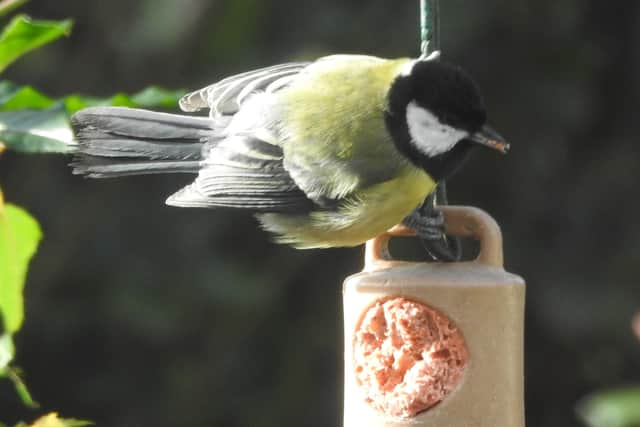

Research has shown that the best fed (and therefore most plump) Great Tits are rather less mobile than their slimmer cousins and are most likely to be predated by local Sparrowhawks. I wonder if this is why Great Tits always seem more nervous and twitchy around the feeders compared with other species. They tend to nip out from cover onto the feeder and then fly quickly back to consume the food hidden in a safe place.
A marker of early spring, from January onwards, its bisyllabic song rings out loudly from woods and copses and is sometimes spelt as ‘tee-choo’ or ‘teach-er’, likened to a squeaky bicycle pump. Good mimics and creative innovators, this prolific songbird has seventy or more different calls, songs, and notes recorded. Great Tits were once known as ‘saw-sharpeners’ (presumably by traditional woodmen in woods and forests), or ‘see-saw’ birds.
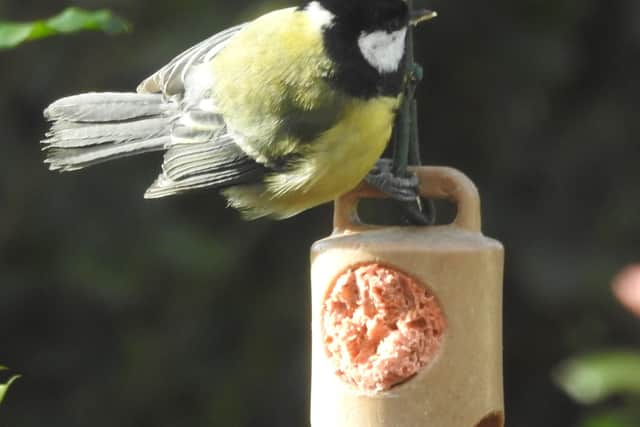
Despite our fondness for these lovely birds, they have another side to them with nature red in tooth and claw. Around nesting territories, they can be very aggressive to neighbours. I recall watching a pair of Great Tits with youngsters about to fledge, taking a dim view of a Blue Tit family assembled in a neat line on a nearby tree branch. The adult Great Tits swooped down to attack each baby Blue Tit, one-by-one, pecking them viciously and then carrying them a short distance away before dropping them to the floor. This took place eight times until all were dead, the fight for survival desperate and vicious!

Professor Ian D. Rotherham, researcher, writer & broadcaster on wildlife & environmental issues, is contactable on [email protected] ; follow Ian’s blog (https://ianswalkonthewildside.wordpress.com/ ) and Twitter @IanThewildside; BlueSky @ianthewildside.bsky.social