On the Wildside with Ian Rotherham: The surprising butterflies of late autumn
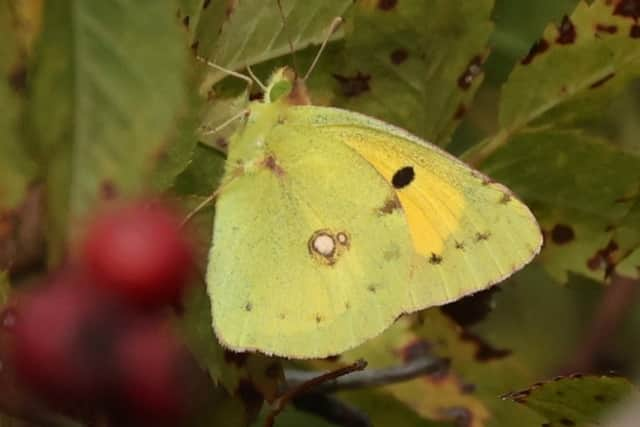
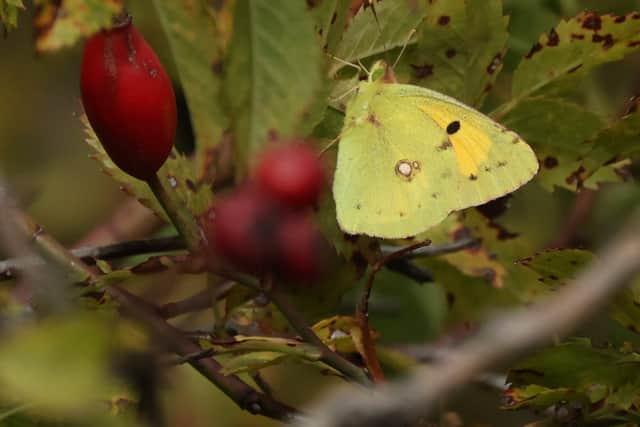
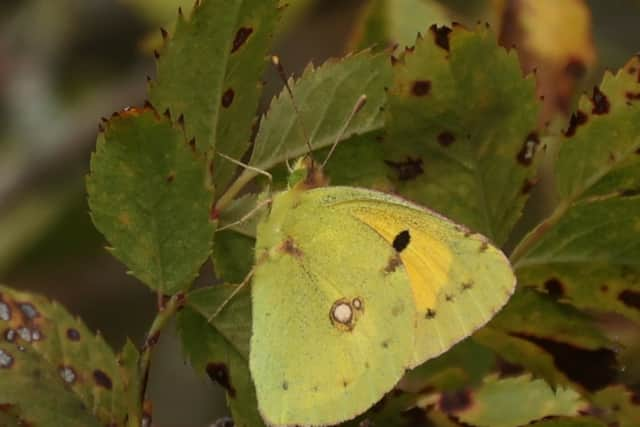
In recent weeks, despite some very wet days and often cooler, blustery weather, there have been butterflies around. Whilst far fewer than earlier in the summer heat, I have seen quite a few of the large Vanessids, particularly, Red Admirals and Peacocks, and including some particularly big specimens. However, much more exciting has been the butterfly spotted and photographed by Paul Ardron whilst out at the RSPB Old Moor Wetlands Centre in the Dearne Valley. The sightings were on two separate occasions firstly in early August and then much later, in mid-October, and we think both were females through they were quite a distance away and he took the pictures with a telephoto lens. The insect in question is the Clouded Yellow Butterfly (or Colias croceus), an especially striking bright yellow species with black markings and is a member of the “White and Yellow Butterflies” or Pieridae. More familiar species in the group include the Large Whites and Small Whites (“Cabbage White Butterflies”), Green-veined White, Orange-tip, and the stunning early spring species, the Brimstone.
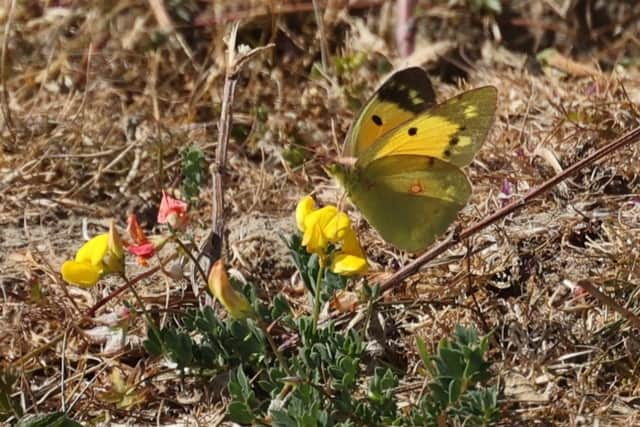

The Clouded Yellow is a southern European butterfly and a genuine, long-distance migrant. They have always been recorded in Britian but generally along the south coast and only very occasionally turning up further north. In recent years however, with increasingly hot summers, they have become more regular and more northerly too. They tend to seek out flower-rich meadows and other grasslands with legumes (the pea family) including vetchlings, wild vetches and peas, and clover fields. The females each lay up to six hindered eggs on these legumes like clovers, bird’s-foot trefoil, and lucerne. So, with a long, hot summer, the butterflies can arrive here and possibly even breed successfully (and may be found from April through into late October or beyond), with up to three rapid broods per year – hatching, growing, pupating and emerging as adults. However, with exception of especially mild areas on the south coast of England, it seems the insects can’t survive our winter chill. Maybe as climate changes this too will alter in years to come.
Professor Ian D. Rotherham, researcher, writer & broadcaster on wildlife & environmental issues, is contactable on [email protected] ; follow Ian’s blog (https://ianswalkonthewildside.wordpress.com/ ) and Twitter @IanThewildside; BlueSky @ianthewildside.bsky.social