On the Wildside with Ian Rotherham: Late summer butterflies are a welcome reminder of warmer times
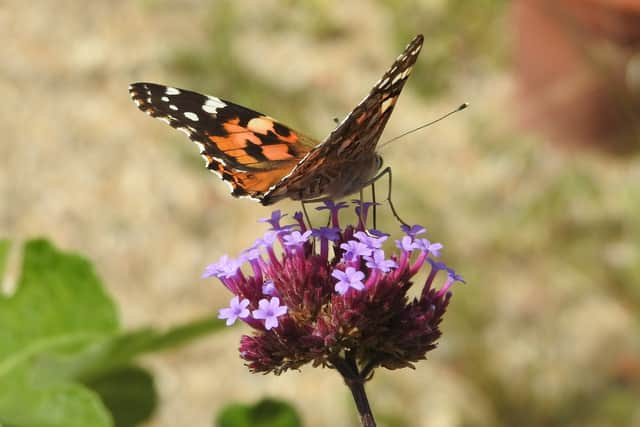
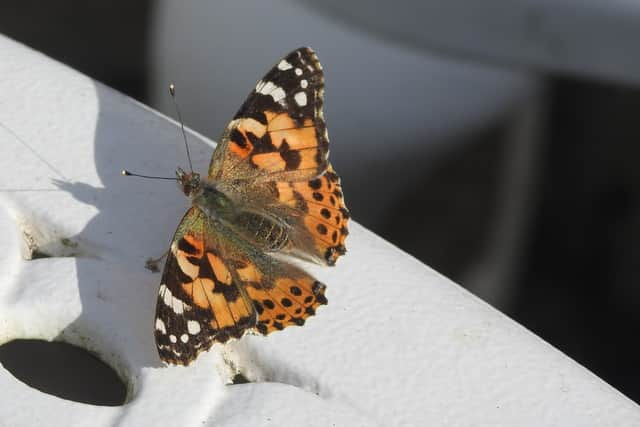
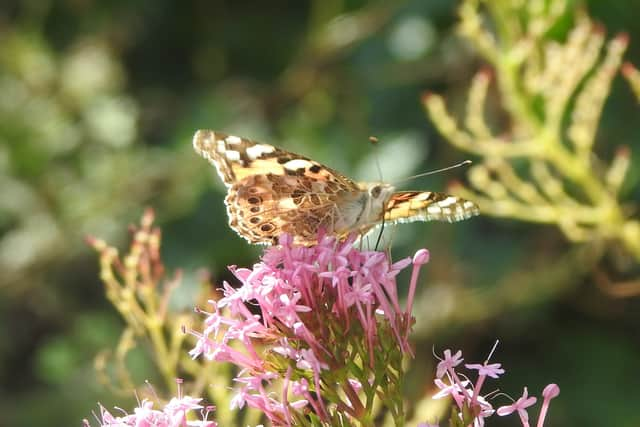
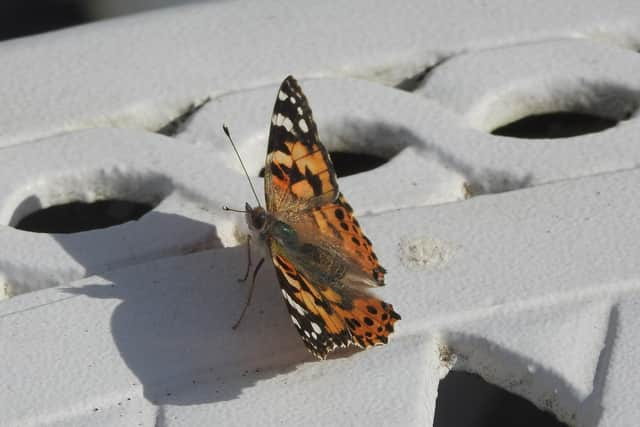
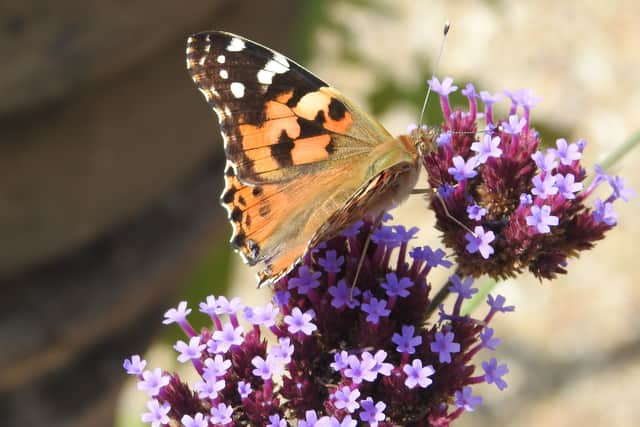
Although the nights are getting distinctly chilly, pleasantly warm sunny days bring out late summer butterflies. Holly Blues with silvery-white undersides have been frequent in their chosen habitats, and down near Newstead Abbey I spotted a Purple Hairstreak, which is quite a late record – but this has been an unusual year for weather. Nearby were Speckled Woods displaying in defence of territories and rising up and down a sunny, tree-lined glade, rising to twenty feet or more. In the wildlife garden both Large and Small Whites are regular and in good numbers, and the Painted Ladies are still turning up. On a sunny afternoon, one of these seemed to turn its wings to catch the warming sunshine and for maximum effect. In-between short forays to re-fuel with nectar from the Red Valerian flowers, this individual was vibrating its wings, and I guess this was to help raise its body temperature. It was in good condition and so must have been an individual emerging from an egg laid locally and both grown and pupated close-by. Earlier in the season, many of the Painted Ladies were rather worn, long-distance travellers – probably from continental Europe but maybe even further afield since many of them migrate from North Africa. Of course, seeing these butterflies at this time of year does raise awareness of the need for late-flowering blooms to provide adequate nectar. So, resist the temptation to cut back those herbaceous borders too hard, too soon!

Although they are day-flying moths rather than butterflies, the Hummingbird Hawk Moths are still around and one “buzzed” me in the garden just the other day as it rose almost vertically and took off to my neighbour’s. Other insects that are still active are the Dragonflies and Damselflies and some of these will stay active until the first heavy frosts. Again, near Newstead I spotted a Banded Demoiselle, one of our gorgeous Damselflies. Common Darters were frequent as they hunted along sunny hedgerows, and one of the smaller Hawkers, the Migrant Hawker, was abundant in a woodland ride.
Professor Ian D. Rotherham, researcher, writer & broadcaster on wildlife & environmental issues, is contactable on [email protected] ; follow Ian’s blog (https://ianswalkonthewildside.wordpress.com/ ) and Twitter @IanThewildside; BlueSky @ianthewildside.bsky.social