On the Wildside with Ian Rotherham: Jackdaws stressed by the hot weather
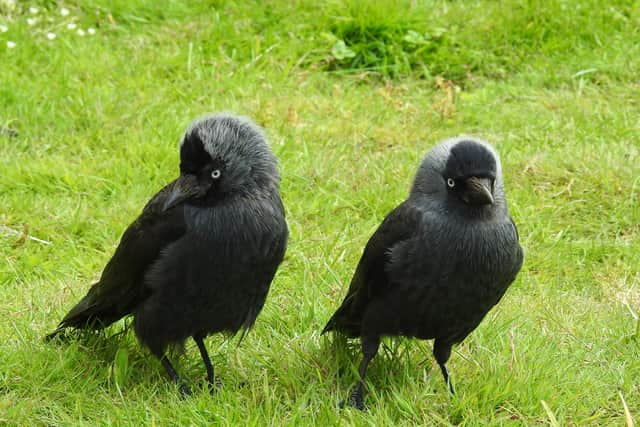
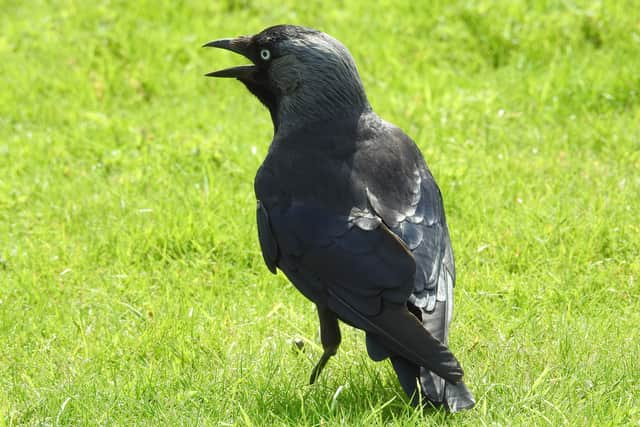
Glorious summer weather brings stresses for birds and other animals. So, on sweltering summer afternoons, observing Jackdaws panting in the heat provides insight into how they cope.

Many birds and other fauna simply seek shade and become rather torpid. Activity uses energy and that gives of more heat, so resting up in a cool, shady spot is a good strategy.
Jackdaws and other crows have a particular problem with their dark plumage which absorbs the sun’s rays and produces heat.
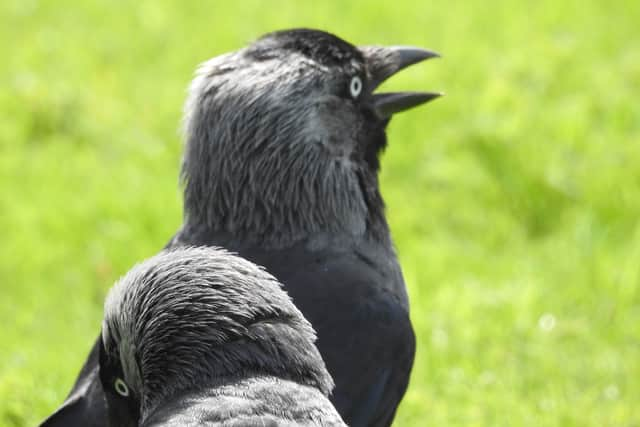
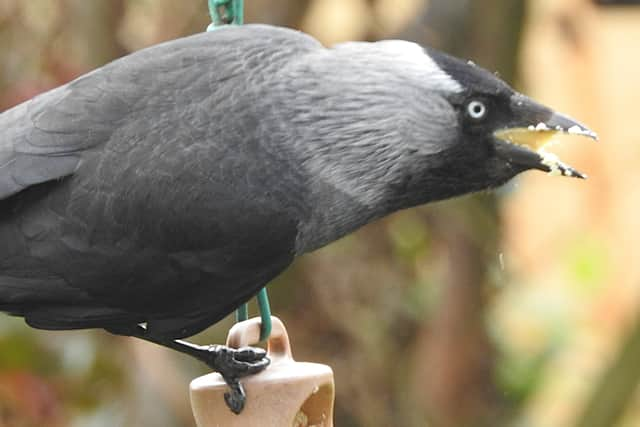
This is a problem compounded by the fact that like many birds, Jackdaws are unable to sweat. So, in hot, sultry conditions they rely on other ways to regulate body temperature which includes standing still with their beaks openly gaping and panting.
This open-bill breathing encourages evaporation from the mouth, throat, and respiratory surfaces, to help carrying excess heat away from the body; an essential cooling mechanism.
Along with this behaviour, their activity levels reduce, they move more slowly and call less frequently. Seeking a cool , shady place perhaps around trees and near water is good, but the daily routine of feeding must also continue, and this may involve being out in the open in a sunny, exposed, grassy spot for instance.
Along with panting, Jackdaws and other crows use behaviour called “gular fluttering” where they vibrate the muscles and skin in the throat to help speed evaporation and cooling but without too much energy usage. They also wing-droop by holding out their wings away from the body to allow air under the feathers to dissipate trapped heat, and they raise the feathers around the nape of the neck and the crown of the head. These behavioural adaptions allow air to the skin and help the birds to keep cool.
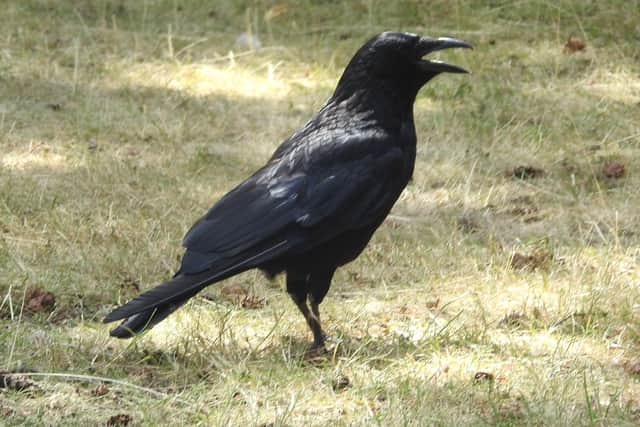
Carrion Crows can be observed doing similar things to their Jackdaw cousins, and similarly, male Blackbirds adopt such behaviour.
Sun-bathing is used to help control feather parasites with Blackbirds and Dunnocks for instance seeking sheltered, sunny spots to press flat to the ground, wings and tail-feathers splayed and exposed to the healing rays.
Professor Ian D. Rotherham, researcher, writer & broadcaster on wildlife & environmental issues, is contactable on [email protected] ; follow Ian’s blog (https://ianswalkonthewildside.wordpress.com/ ) and Twitter @IanThewildside; BlueSky @ianthewildside.bsky.social