On the Wildside with Ian Rotherham: Hot weather triggers butterfly sightings
A long hot summer can be a boon time for butterflies, although as with many wildlife species, a drought is problematic. Lots of butterflies have suffered issues of habitat loss and degradation, with the usual causes of intensive farming and urban sprawl, but also in some years the adverse effects of poor weather. Nevertheless, with generally hotter summers, a range of species are on the move northwards so long as they can find habitats in the right condition. Another cause of new sites being recorded are the actions of so-called guerrilla lepidopterists, who, frustrated by the timescales for official conservation projects, take it on themselves to reintroduce species to sites from which historically they were exterminated. This is generally frowned upon, may be illegal in some cases, and can only be successful if the target sites are now in suitable condition for the butterflies to establish. A further complication is that unreported introductions may confuse any understanding of natural spread which may then complicate necessary management to make populations secure and sustainable. However, these independent releases of captive-bred butterflies undoubtedly happen, and my view is that we need to simply be aware of this as fact. Some species which are now widespread and commonplace, but were formerly rare, like the Speckled Wood for example, are doing well today but how much of the expansion was ‘natural’ and how much helped by human hand, who knows!
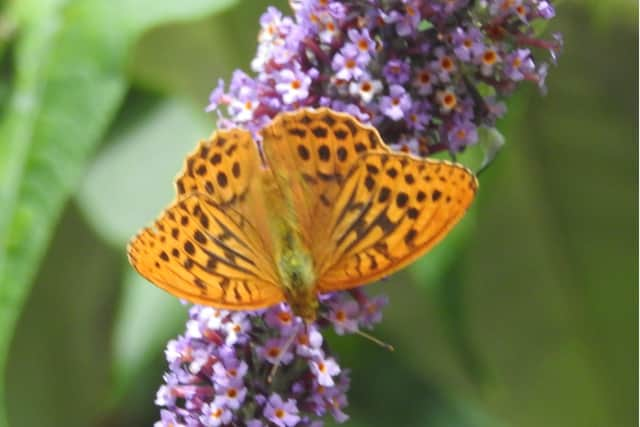

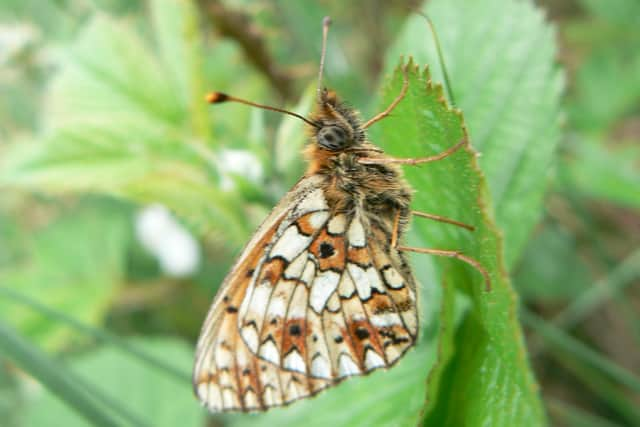
One rather spectacular group of butterflies currently turning up in increasing numbers, are the ‘Fritillaries’, a family characterised by distinctive orange and black speckling and often, on the underwings, very striking marbling. Some species such as the Small Pearl-bordered Fritillary are quite small, maybe the size of a Small Tortoiseshell, whereas others like Silver-washed Fritillary or Dark Green Fritillary are big and are powerful flyers. The best places to look include mosaic habitats with grasslands rich in Dog Violets (a favoured larval food-plant), and bramble-rich scrub and woodland edge dappled by sunlight and offering nectar and warm shelter. These are places to watch for Fritillaries and for other butterflies too.
Professor Ian D. Rotherham, researcher, writer & broadcaster on wildlife & environmental issues, is contactable on [email protected] ; follow Ian’s blog (https://ianswalkonthewildside.wordpress.com/ ) and Twitter @IanThewildside; BlueSky @ianthewildside.bsky.social