On the Wildside with Ian Rotherham: Are Bullfinches now on the up?
One of our prettiest songbirds is the Bullfinch, described in a 1950s bird guide as, ‘A stoutly-built, small bird of bold and striking plumage, very general in wooded districts throughout the British Isles, but nowhere numerous.’ Once widely persecuted because of damage to fruit crops and the like and also taken as a caged songbird particularly in Victorian times, the Bullfinch suffered a serious decline.
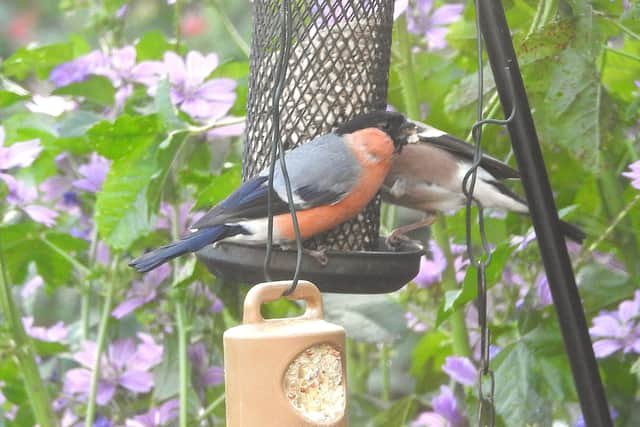
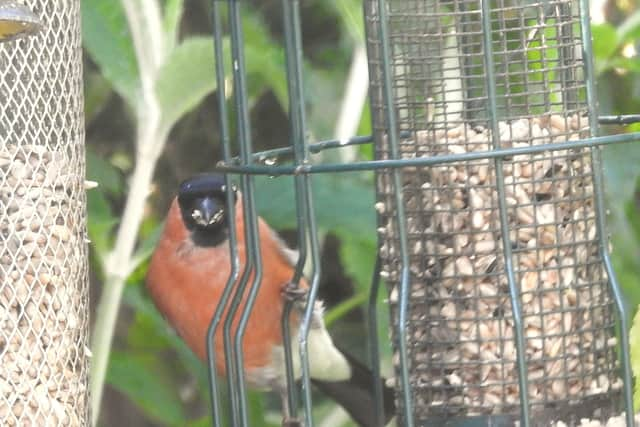
This was estimated to be a fall of about fifty percent in terms of breeding birds from the 1960s to the 2020s. However, greater recognition of its precarious state and effectively protected by wildlife conservation law, they seem to be on the up – at least locally. I now have a regular pair visiting my garden feeders and I assume they bred very close by, their presence often given away by their soft ‘fueet-fueet’ calls as they approach.
They were noted for their ability to copy and mimic sounds and notes and so were caught by Victorians who played a bird-flute or bird-organ to draw their attention, the birds able to repeat the noise exactly. Because of their remarkable vocal abilities, gentle nature, and striking plumage, captive Bullfinches were exceedingly popular as caged pets and even imported in large numbers from Germany. However, even more of a problem for Bullfinch populations, above and beyond being taken as caged songsters, was persecution because of their impacts on fruit-trees.


They can be quite rapacious, although their main diet is made up of seeds from plants such as dock, nettles, brambles and the like plus seeds of birch trees and ash. However, if the ash crop for instance, fails, then the birds may head for local orchards and with an estimated thirty flower buds taken per minute per bird, the effect can be severe. Morello Cherries and Conference Pears are especially favoured!
Set against this, the trees can lose up to half their buds without the crop being affected. But the reputation stuck, and in 1590 for instance, the churchwarden’s accounts for Ecclesfield in Sheffield, noted six pence paid for six bullfinch heads!
Professor Ian D. Rotherham, researcher, writer & broadcaster on wildlife & environmental issues, is contactable on [email protected] ; follow Ian’s blog (https://ianswalkonthewildside.wordpress.com/ ) and Twitter @IanThewildside; BlueSky @ianthewildside.bsky.social