
New chapter in community-led democracy
Sheffield is helping to pioneer a different approach as trust in public institutions falls - one that places communities at the centre of decision-making rather than on the margins of consultation.
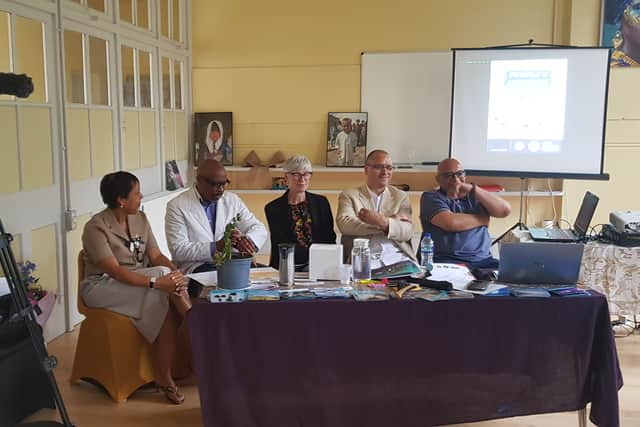

That vision came to life at the Second Sheffield People's Assembly on Race Equality, where residents, community organisations, public leaders, academics, and practitioners gathered at Ellesmere Children's Centre to move beyond conversation and begin building a new model of community-led governance.
Convened by Operation Black Vote (OBV), The Humanity Project, and Ellesmere Children's Centre, the Assembly built on the findings of the first Sheffield People's Assembly held earlier this year. That event brought together residents from across the city to review progress since the Sheffield Race Equality Commission's 39 recommendations and revealed widespread concern that, despite positive intentions, progress on race equality had been too slow, too difficult to measure, and often disconnected from the lived experiences of Black and racially minoritised communities.
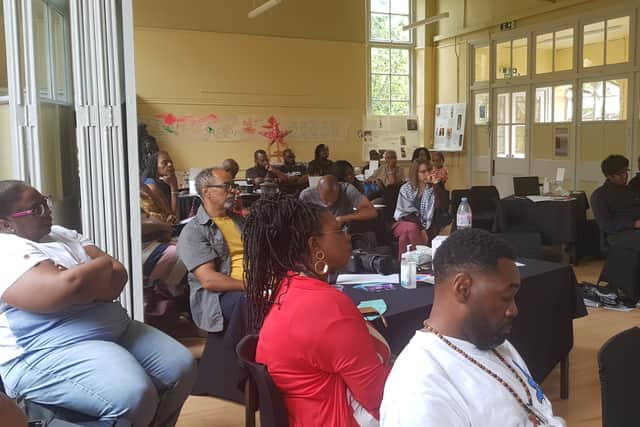
Rather than revisiting familiar challenges, the second Assembly focused on practical solutions. Through deliberative conversations on education, health, policing, economic justice, and democratic accountability, participants worked alongside Sheffield City Council, public agencies, and community organisations to identify priorities for the next 6–18 months and begin designing a long-term model of shared governance.
The event forms part of a wider national programme led by Operation Black Vote and The Humanity Project, which is working with communities across the country to strengthen democratic participation and rebuild trust between people and public institutions. By combining community organising, People's Assemblies, leadership development, deliberative democracy, and co-governance, the programme seeks to create new civic platforms where communities become active partners in shaping policy, monitoring progress, and holding institutions to account.
A significant outcome of the Sheffield Assembly was the shared ambition to establish a Sheffield Race Equality Community Assembly Council - an independent, community-led platform that will monitor progress on race equality, strengthen accountability, build partnerships across sectors, and sustain community participation long after the Assembly has concluded.
Importantly, Sheffield City Council has committed to working closely with Operation Black Vote, The Humanity Project, and community partners over the long term, recognising that addressing racial inequality requires sustained collaboration, shared leadership, and continuous dialogue rather than one-off engagement.
Dr Sharon Curtis OBE, Chief Executive of Ellesmere Children's Centre, said: "We've always believed that lasting change begins by bringing people together. This Assembly has shown what is possible when communities and institutions meet as partners, listen with honesty, and work together with a shared commitment to building a fairer Sheffield."
Reflecting on the significance of the day, Lee Jasper, co convener of the Humanity Project and co-founder of Operation Black Vote, said: "While we will reflect on attendance and how we can broaden participation in future, by every other measure this Assembly was a major success. It demonstrated the power of embedding equity, co-production, and shared leadership at the heart of partnerships between communities and institutions. More importantly, it represents another significant step towards building a new and emerging Black democratic mandate—one rooted in accountability, community voice, and genuine influence over the decisions that shape people's lives."
For David Weaver , Chair of Operation Black Vote, Sheffield represents a broader shift in how democracy itself is practised.
"Across the country, we are helping communities and institutions move from consultation to co-governance. People's Assemblies are not the destination—they are the starting point. They create the trust, relationships, and shared understanding needed to build lasting civic platforms where communities and institutions share power, strengthen accountability, and shape change together. Our ambition is to leave behind permanent democratic infrastructure that enables communities to remain active partners in creating a fairer, more inclusive society."
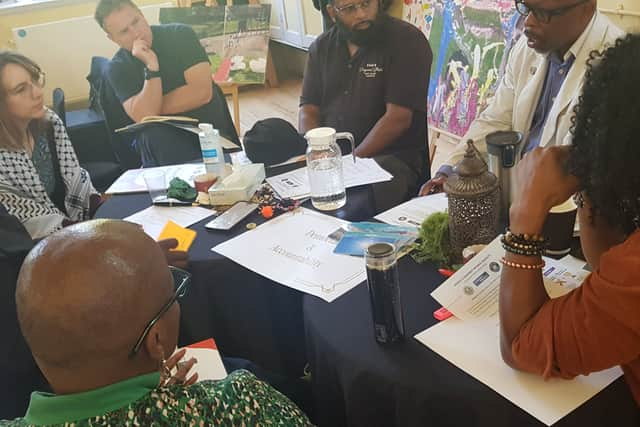
As Sheffield looks ahead, the Assembly is being seen not simply as another public engagement exercise but as the foundation of a new civic partnership between communities and institutions. The commitment from Sheffield City Council to continue this journey alongside community partners signals a shared determination to embed participation, accountability, and co-production into the city's approach to race equality.
If successful, Sheffield could become a leading example of how community organising, deliberative democracy, and shared governance can work together—not only to tackle racial inequality but also to rebuild trust, strengthen civic participation, and renew democracy from the ground up.
The conversation has begun. Now it's time to build the partnerships, leadership, and community power that will create a fairer Sheffield for generations to come.
- RELATED: Opinion: Panorama falls short in its new programme on the climate emergency
- RELATED: On the Wildside with Ian Rotherham: Chinese Water Deer may soon arrive
- RELATED: Hospital backs women's football team with new deal
- RELATED: Sheffield grandfather steps into the spotlight at charity fashion show