
Jackdaw - intelligent and inquisitive but perhaps a thief
The birds gained a reputation for stealing bright objects
According to dictionaries, the name ‘Daw’ has origins as far back as the 1400s and is based on an imitation of the bird’s standard calls.
Although the typical, rather metallic ‘tchak-tchak’ call, is maybe better reflected by northern regional names in England and Scotland too, ‘ka’ or ‘kae’. The ‘jack’ was added in the 1500s and comes from a usage to denote a ‘common fellow’, perhaps a ‘rogue’ or ‘thief’ and was probably acquired because of the Jackdaw’s close connection to old buildings and for example, chimney stacks as places to nest.
In close proximity to people, then these birds gained a reputation for stealing bright objects and similar items to adorn its nests, much as the Magpie also did.
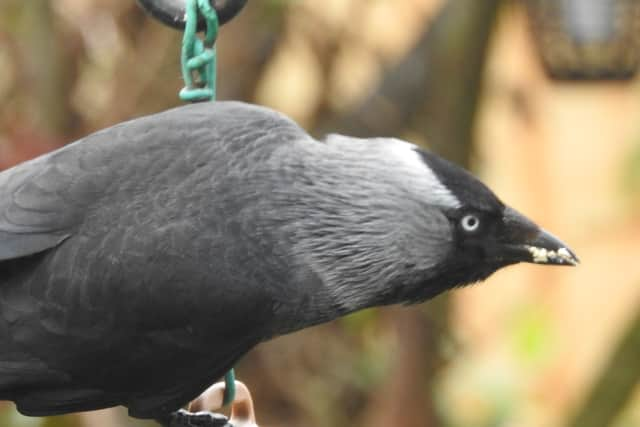

They have strong pair-bonds as seen when birds fly in flocks, but in obvious ‘twos’.
These are long-lived birds and members of the crow family, and as such are both intelligent and have a propensity for mimicry. Indeed, a Victorian book on country pastimes for boys, recommends the Jackdaw as the ideal pet for any young boy becoming tame and attached to its owner.
Of course, this was before taking young birds and eggs became illegal. Also, reading a little of the history of such birds, it is clear that by the 1800s, their populations were very patchily distributed, and game preservation had reduced numbers dramatically. It was noted that gamekeepers ruthlessly trapped and shot the birds during the breeding season.
Nevertheless, Victorian writers also observed how they were adaptable and could thrive in both town and country.
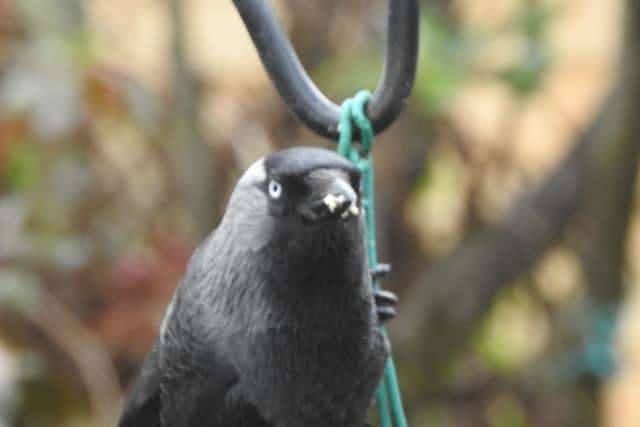
They occurred in good numbers at say Flamborough on the Yorkshire coast, where their aerial tumbling and wild calls created a vibrant atmosphere.
The adaptable Jackdaw may grab a meal from the fish brought back to the cliffs by seabirds such as Guillemots, Puffins, and Razorbills, and from foraging in nearby farmland.
Meersbrook-based naturalist, Charles Dixon, stated that Jackdaws did well in the old, hollowed-out oak-trees of Sherwood Forest. Today, these birds enjoy my suet-bars, spiked apples, and dried mealworms or calci worms.
Professor Ian D. Rotherham, researcher, writer & broadcaster on wildlife & environmental issues, is contactable on [email protected] ; follow Ian’s blog (https://ianswalkonthewildside.wordpress.com/) and Twitter @IanThewildside