
Don Valley Corridor plan could create 18,500 jobs across South Yorkshire
The Don Valley Corridor plan could create 18,500 jobs across South Yorkshire, putting advanced manufacturing, regeneration and long-term employment growth at the centre of the region’s economic future.
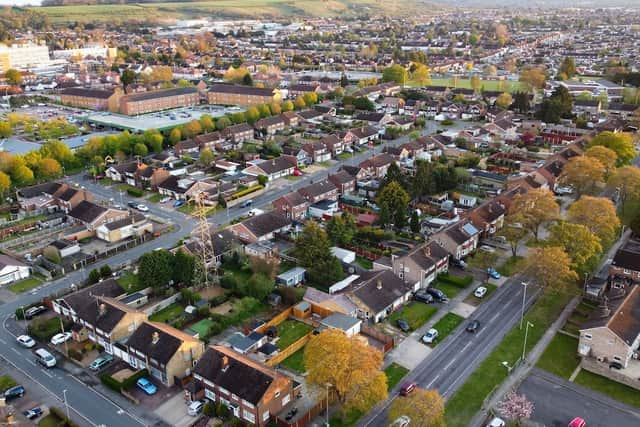

The 30-year plan is focused on transforming a key corridor linking Sheffield, Rotherham and major industrial sites. It is designed to support thousands of new homes, improve infrastructure and build on South Yorkshire’s reputation for manufacturing, materials, engineering and innovation.
For Sheffield and neighbouring communities, the scale of the ambition is significant. The Don Valley has long been associated with industry, steel, transport and working-class employment. The new plan aims to update that legacy for a modern economy, where advanced manufacturing, clean technology, research, logistics and high-value engineering could drive the next generation of jobs.
The headline figure of 18,500 potential jobs will attract attention, but the real test will be delivery. Large regeneration strategies can take years to turn into visible change. Residents will want to know where jobs will be created, what skills will be needed and whether local people will be able to access the opportunities.
That is why skills must be at the heart of the plan. Advanced manufacturing is not only about large factories or major employers. It relies on technicians, engineers, machine operators, digital specialists, maintenance teams, logistics workers, project managers, apprentices and support staff. If South Yorkshire is to benefit fully, training routes must connect residents with the roles being created.
The corridor already has strong industrial assets. Sheffield and Rotherham are home to internationally recognised manufacturing and research strengths, including links to aerospace, automotive, materials technology and clean-energy supply chains. Building around these strengths could help attract new investment while supporting existing firms to expand.
The plan could also help create opportunities for young people. Apprenticeships, technical qualifications and work placements will be essential if school leavers and college students are to see a future in local industry. Many young people may not realise how varied modern manufacturing careers can be, from robotics and data analysis to quality control and design.
For workers already in employment, the plan may offer routes into better-paid or more secure work. South Yorkshire has many people with practical skills gained in construction, logistics, warehousing, maintenance, transport and production. With the right training, some of those skills could transfer into advanced manufacturing and infrastructure roles.
The business impact could also be substantial. A stronger Don Valley economy could support supply-chain firms, contractors, professional services, exporters and local SMEs. New homes and improved infrastructure could increase demand for construction, retail, hospitality and public services, widening the benefits beyond manufacturing alone.
International trade will be part of the picture too. Advanced manufacturing firms often operate across borders, importing components, exporting specialist products and working with investors or customers overseas. Businesses looking at overseas expansion may need to understand legal structures, compliance and market-entry requirements.
For South Yorkshire, attracting inward investment will require more than available land. Investors will look at skills, transport, energy infrastructure, planning certainty, research links and the quality of local partnerships. The Don Valley Corridor plan must therefore show that the region can coordinate housing, employment sites, training and transport over the long term.
Transport will be particularly important. People need to be able to reach new jobs without facing long or unreliable journeys. Better links between Sheffield, Rotherham, neighbourhoods along the corridor and major employment sites could help ensure that opportunities are not limited to those with cars. Public transport, walking and cycling routes should be part of the wider employment strategy.
Housing is also connected to jobs. If thousands of new homes are planned alongside employment growth, they must be supported by schools, healthcare, green space and local services. Regeneration works best when people can live near opportunity without creating unsustainable pressure on existing communities.
There will also be questions about who benefits. Large regeneration plans can raise hopes, but local residents may feel excluded if jobs go to people from outside the area or require qualifications they cannot access. Clear pathways into employment, especially for communities that have experienced industrial decline, will be crucial.
Employers must be involved from the start. Training providers need to know what skills businesses actually require. Businesses need confidence that local workers can be trained. Residents need simple information about how to get involved. Without that connection, job figures can remain abstract.
The plan should also support smaller firms. While major names often dominate announcements, local SMEs can play a vital role in supply chains. Fabricators, transport firms, maintenance providers, digital agencies, construction companies and specialist suppliers may all benefit if procurement and support are designed well.
Sustainability will matter too. Future industrial growth will need to align with cleaner energy, efficient buildings, lower-carbon transport and environmental improvements. The Don Valley’s next chapter should not simply repeat the industrial patterns of the past; it should build a greener and more resilient economy.
The Don Valley Corridor plan is therefore about more than numbers. The promise of 18,500 jobs is important, but what matters most is whether those jobs are accessible, secure and connected to local communities.
If delivered well, the plan could strengthen South Yorkshire’s manufacturing identity, attract international investment and give residents new routes into skilled employment. It could turn long-term regeneration ambition into practical opportunities for workers, businesses and families across Sheffield, Rotherham and the wider region.