

Over the last few decades, the Steel City has earned a reputation for its brilliant boozers and breweries; and more recently, for the community of micro pubs selling some of the country’s best – and most potent – ales.
But some of the city’s most memorable pubs, such as the Cremorne and Brown Bear date back much further, and have been serving the people of Sheffield for more than a century.
Many of Sheffield’s most historic pubs have names that reflect the time in which they were established.
Here, we take you through the etymology of some of the more unusual monikers.
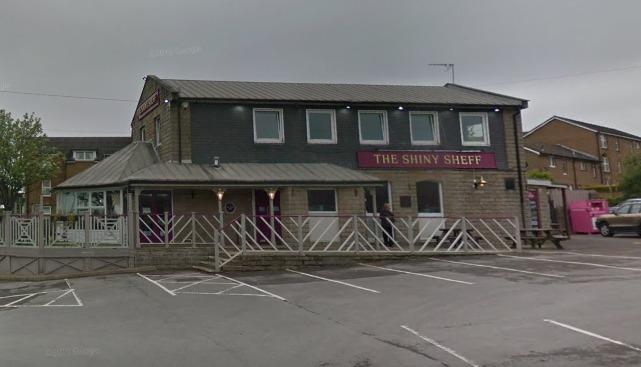
9. The Shiny Sheff
The pub on Crimcar Lane in Lodgemoor was named after the Royal Navy ship, HMS Sheffield, which was nicknamed the ‘Shiny Sheff’ because lots of stainless steel was used on her fixtures and fittings. Photo: Google
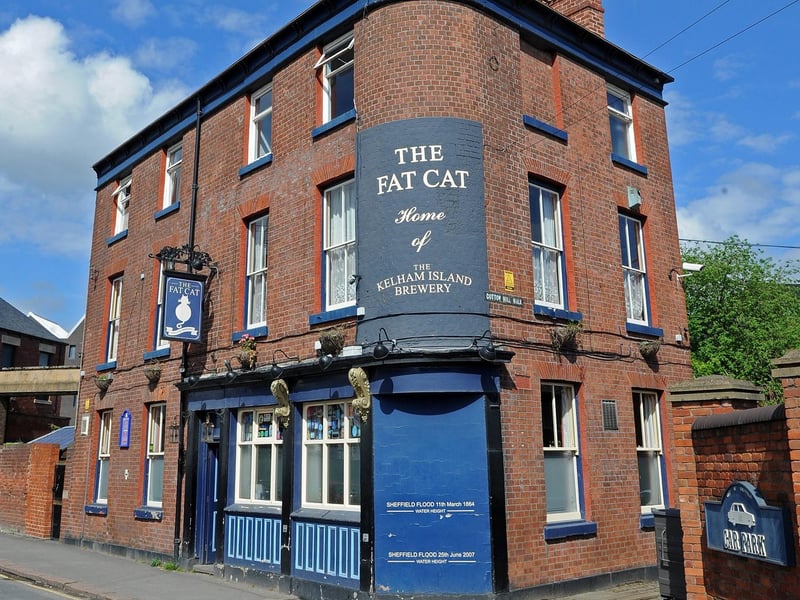
10. The Fat Cat
The name given to the Kelham Island institution is believed to refer to the modern idiom "fat cat" which means an individual who is rich and/or doing well for themselves. The site has deeds dating from 1832 but it is not known if a pub was opened at that time. By 1852, the property was a pub then called the Kelham Island Tavern (now the name of a pub around the corner of Russell Street). It was then called The Battle of the Alma until 1981. Photo: Andrew Roe
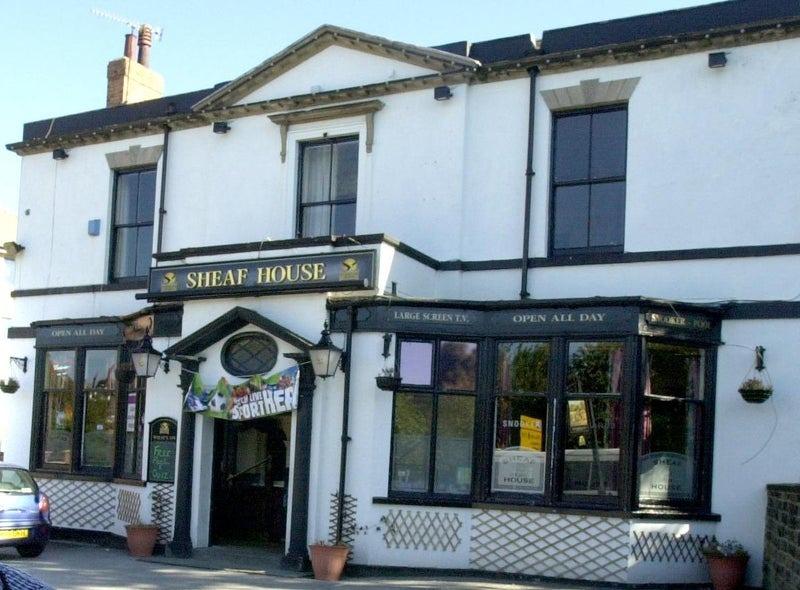
11. Sheaf House
The Sheaf House Hotel, Bramall Lane, opened in 1816. It is believed to have been named after the Sheaf House sports ground, which used to be behind the pub and predates the Bramall Lane football ground. It was used by both Yorkshire County Cricket Club and Sheffield Wednesday F.C. Photo: Barry Richardson
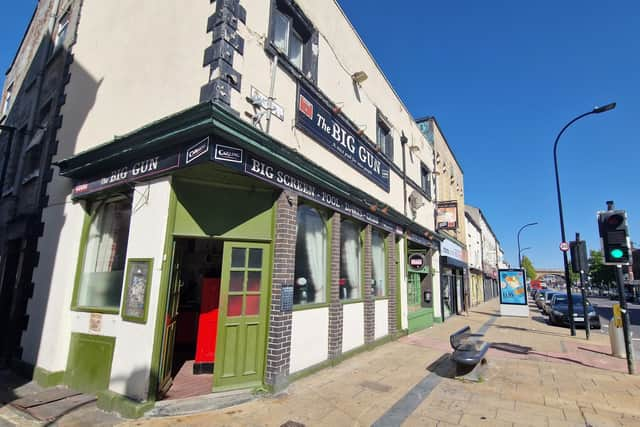
12. Big Gun
It's no longer in operation, but we wanted to include The Big Gun because of its incredible history. According to the ‘From Sheffield With Pubs,’ the pub's name originates from the English Civil War, when in August 1644 Parliamentarians attacked Sheffield Castle with a demi-culverin cannon. It led to the surrender of Royalist forces and later demolition of the castle. When it closed in September 2023, the Big Gun had been running for 233 years and was famous for a sign which states: ‘A nice pub for nice people’. It was also the sole remaining pub on the Wicker, a street that was famous for at one time having at least dozen. | 3rd party