
'It's produced Pulp, Arctic Monkeys and The Human League but Sheffield's music scene is undercelebrated'

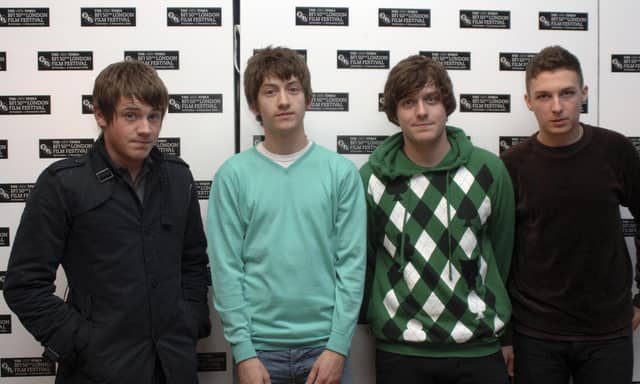

Music writer Daniel Dylan Wray speaks to Laura Reid about his new book exploring the history of Sheffield’s independent music scene.
But, says culture and music writer Daniel Dylan Wray, the region's ingrained humility and dogged stoicism mean it has never been documented or celebrated to the level of more hubristic cities.
With his new book, however, he hopes to change that. Groovy, Laidback & Nasty, which takes its title from the Cabaret Voltaire album of the same name, tells the story of Sheffield’s DIY spirit and its musical visionaries, covering more than six decades from the 1960s.
"I feel like Sheffield is a city that’s been a little bit overlooked and undercelebrated (when it comes to music),” says Dylan Wray. “But if you look at all the music that's come out of Sheffield decade after decade, you've got a really pioneering and innovative spirit that I just want to shine a light on.
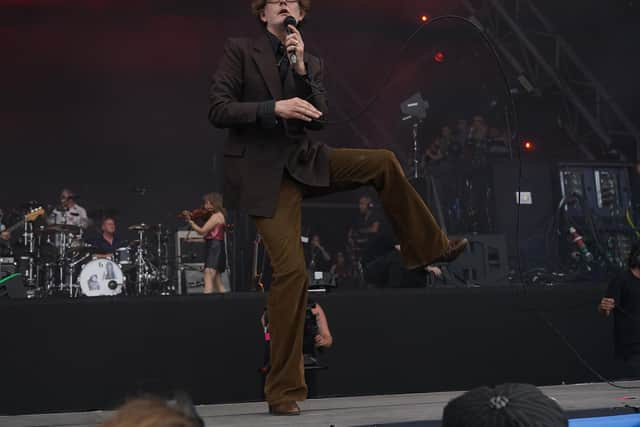
“I feel like people know bits of Sheffield music here and there, all the big names, but there's a really rich breadth and depth to explore that I think hasn’t really been done in detail before. I wanted to make the case for Sheffield being a music city that was up there with some of the best in the world.”
The book features more than 150 new interviews with the likes of Self Esteem, Richard Hawley and former Pulp member Russell Senior. It also delves into many of Sheffield's cultural roots; from Peter Stringfellow's club promoter days in the 1960s to Toddla T's teenage breakthrough in the late 2000s, as well as seminal nightclubs, worldwide pop stardom and more underground and leftfield musical excursions.
“I think Sheffield can be a difficult city to put a neat bow on in terms of a narrative because a lot of cities have certain sounds or scenes or genres…and Sheffield has always been really eclectic,” muses Dylan Wray, who has called the city home for more than two decades. “If you line up all the most successful, famous bands that have come out of Sheffield, none of them sound like one another.
“What I wanted to do was show that even though you've got this really eclectic city with a lot of different sounds and groups that are very different on paper, there's this really staunchly independent spirit in ethos that connects them all.”
In Sheffield, creativity flourished in the face of isolation, economic decline and political circumstances, the book suggests. Boredom was a significant factor too, argues Dylan Wray. "If you start to look at the really innovative stuff coming out in the 70s, I think partly it was that there was so little to do in Sheffield that you kind of had to create your own entertainment,” he reflects. “And I think that sort of environment instigates creative thinking...There was a lot of bored young people wanting to do things and making music together is a great way to kill time.
“Obviously as things change and the city grows that's less of an issue. There's plenty to do these days, but I think because it still is a little bit of an isolated city, it doesn't quite get the attention of others, doesn't have the same infrastructure, doesn’t have as many gig venues as say Manchester and Leeds, there is still this feeling of we'll just create things ourselves…There's this inherent attitude of doing things for yourself and creating things from nothing.”
Dylan Wray has lived in that environment from the age of 18, leaving his hometown of Driffield in East Yorkshire to study in Sheffield. As a self-described music obsessed teenager, the city was a “sparkling metropolis” for him, offering gig venues and record shops that his Yorkshire Wolds market town just hadn’t had. And it wasn’t long before he tapped into Sheffield’s music scene, finding his portal into a diverse world as a fan of the sound of city-based rock group Pink Grease.
“For me the most interesting stuff in Sheffield is always the stuff happening on the underground, bubbling under the surface,” he says. “There's a lot of big famous bands that have come from Sheffield, but for me it's always been about stuff that's happening in the fringes, in the cracks.”
Initially, that was quite hard to penetrate, but by his early 20s, Dylan Wray began writing about music for his student newspaper and some online publications. What started as a creative outlet with the perks of free CDs and gig guestlists (much-welcomed for a broke student) turned into a profession for Dylan Wray, who has built a career as a freelance journalist, specialising in writing about music and culture. Groovy, Laidback & Nasty is his first book.
“Sheffield as a city is famously very humble…It's not cool to be a big head in Sheffield,” he says. “You don't shout about yourself, which I think is noble and it's a good thing, but it also means that maybe stuff doesn't get celebrated or documented as much.”
“For a city of its size it's produced a huge amount of work that's gone on to genuinely shape what pop and rock and metal and all these kind of things sound like all across the world,” Dylan Wray continues. “If you look from the 1960s onwards, every decade - though arguably it stops in the 2010s for a bit - there's a breakout star from Sheffield that goes on to be huge and changes the sound and the template of music for that decade...It's very rare for a city to have decade on decade of those kind of artists. The book is about hitting home just how much innovation and creativity has come out of such a small place over such a prolonged period of time.”
- Groovy, Laidback & Nasty: A History of Independent Music in Sheffield by Daniel Dylan Wray and published by White Rabbit, is out on May 7.