

It will mark the Britpop legends’ return to the city following their triumphant Sheffield Arena shows in 2023, when they showcased a new song, Hymn of the North.
To celebrate the announcement, we’ve put together a few facts about the band you may not know, focusing on their early years in Sheffield.
Did you know how the band got their name, where their first gig took place, the first song a 15-year-old Jarvis Cocker wrote, and how a future member penned their first ever review?
For these facts and many more, read on.
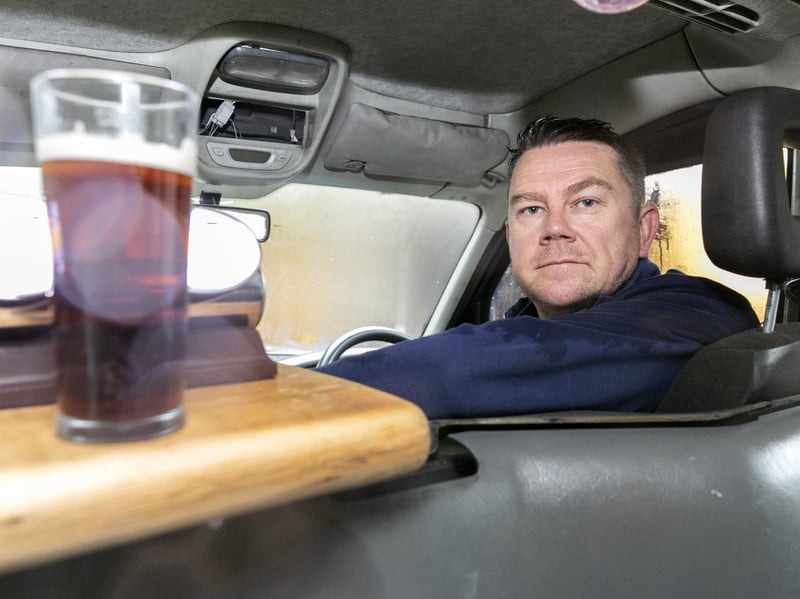
1. Drummer's uncle was World Cup hero
Pulp are in safe hands with their drummer Nick Banks, who is the nephew of Gordon Banks, the England World Cup winner widely recognised as one of the best goalkeepers in history. Nick also runs the family business, Banks Pottery, based in Catcliffe, Rotherham. | Lee McLean SWNS.com Photo: Lee McLean SWNS.com

2. Band's original name was inspired by a listing in the Financial Times
The band began life as Arabicus Pulp, before dropping the Arabicus not long after forming. Pulp is taken from a 1972 Michael Caine film of the same name, while Arabicus was a deliberate misspelling of the Arabicas coffee bean company which Jarvis Cocker found listed in the Financial Times during a school economics lesson. | Sean Gallup/Getty Images Photo: Sean Gallup/Getty Images
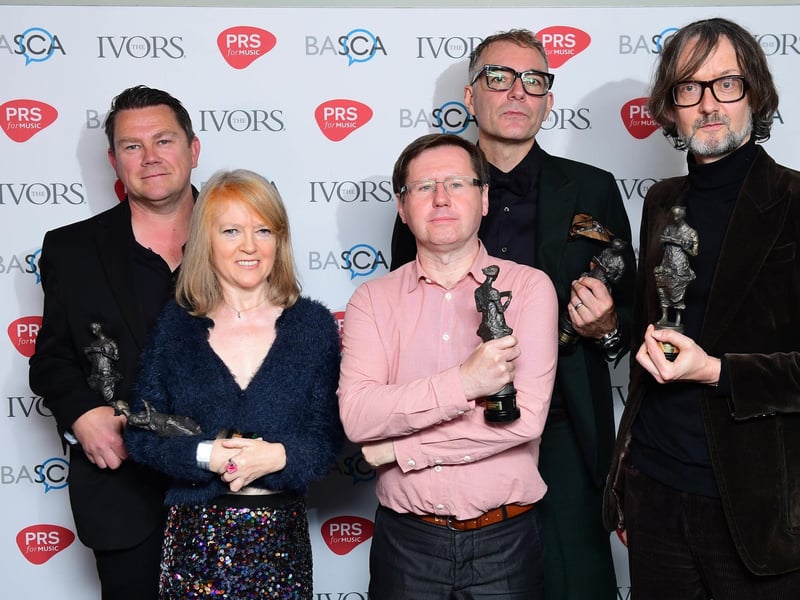
3. Keyboardist was recommended by her brother
It's hard to imagine Pulp without keyboardist Candida Doyle, pictured here in 2017 with the rest of the band, including the late Steve Mackey. But her brother Magnus was actually in the band briefly as the drummer before she joined and it was he who suggested her when Pulp's previous keyboard player, Tim Allcard, left the group in 1984 | Ian West/PA Photo: Ian West/PA
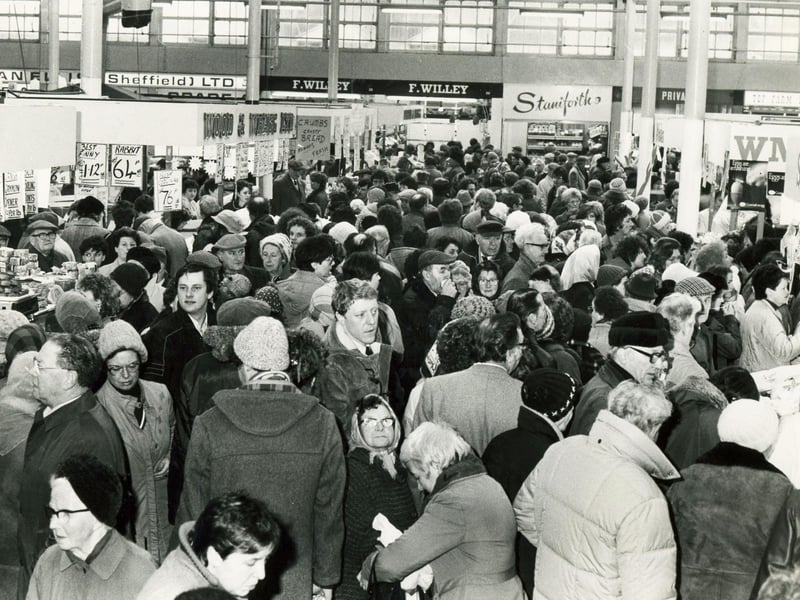
4. Jarvis worked on a fishmonger's stall at Castle Market
Jarvis Cocker had a Saturday job on a fishmonger's stall called Grayson & Boaler, at Sheffield's Castle Market, pictured. The job was found for him by a man his mum, who thought he needed 'toughening up'. It inspired one of Jarvis' early attempts at songwriting, called I Scrubbed the Crabs that Killed Sheffield. The lyrics refer to one occasion when the crabs had been delivered to the stall early and by the time he arrived they were emitting a particularly 'pungent' aroma. The market's manager eventually arrived to condemn the stock and order that all the remaining crabs be destroyed, Jarvis recounts, but only after 20 to 30 of the 'foul creatures' had already been sold. | Sheffield Newspapers Photo: Sheffield Newspapers