
The lost archives of Sheffield’s football programmes: Soldiers’ letters, oyster dealers & toupee adverts
From a 1934 Steel City derby to touching wartime stories, Richard Crooks looks back at the fascinating history and forgotten details captured in football programmes.
Football programmes – here today and gone tomorrow. That at least would have been my mother’s preferred approach as I started collecting in the 1960s. Her concern was space or rather the lack of it, mine was focussed on the programmes’ content and the memories they brought back of the games I’d been to.
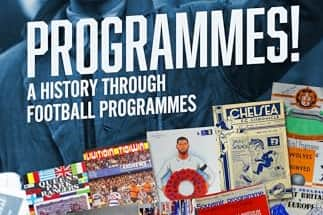

Fast forward sixty years and thankfully those programmes and more I’ve collected were not disposed of. Instead, they provide a rich source of history – both from the narrative and the adverts that appeared alongside. Over more than a hundred years they are a witness to history – to major events, to how we lived, worked and leisured.
The Aston Villa programme of Boxing Day 1914 has this letter from their player, Gunner Smart, now on active service on the Western Front in the First World War, “…it is only infantry men that have to stay there (trenches), and I can tell you they are under very trying circumstances, as the trenches are about 2ft deep in water....we get plenty of bullets our way, but I am glad to say that some of us lived charmed lives, as several of our fellows have been shot.”
Twenty years later and concerns at Bramall Lane for the home club prior to the Sheffield derby in March 1934, “It would help if the “Bing” Boys would roll up and give the players encouragement. More than once it has been said that the “Wednesday Roar” at Hillsborough is worth a goal to Wednesday…there is a pretty general opinion that Bramall Lane crowds do not “warm” to United as spectators “warm” to Wednesday at the other end of the city.”
No matter, on the day United the victors.
During the latter stages of the Second World War, Wednesday had a regular “Lines From The Lads” section in their programme – players on active service - this from Sgt. Edgar Packard in December 1944, “Have moved a stage nearer home, but I’m still a long, long way to go yet….we are near one of the most famous cities in the world….All the best to you all.” No doubt given the strict controls in place he was not allowed to give his precise location.
Adverts are enlightening and underline their historical value – how about these:
- Oysters the fast food of the day in 1900 – Wednesday’s programme had an advert for Harry Pearson, a fish, game poultry and oyster dealer – “After the match, buy your Oysters at 106 Infirmary Road.”
- Prescient advert in the Ipswich Town programme of August 1938 – “Air Raid Precautions Wilmots Garden “Fortress” Shelters Six Adults”. This a full year before the start of the Second World War.
- May 1971 and an advert in the Rotherham United programme to “Install Your Own Central Heating” – at that time central heating in the home was not commonplace.
- Back cover of the Boston United programme in January 1972 for “Toupees”, noting “All Toupees Washable.”
Football programmes reflect and chart social change and they provide the most fascinating insights.
All of this and much, much more are in the new book, “Programmes! A History Through Football Programmes” (Pitch Publishing) authored by Richard Crooks.