
Exclusive:Wage savings, transfer kick-ons and HMRC discussion in more Sheffield Wednesday finance revelations
The staggering sums involved in running a Championship football club have been laid bare in an administrator’s proposal sent to the Sheffield Wednesday’s 193 creditors late last week. Alex Miller reports.
The moving of Tunisia international Yan Valery from the books provided a huge saving on Sheffield Wednesday costs as they continue to navigate administration under insolvency practitioners Begbies Traynor (BTG). An administrator’s proposal made available to creditors on Friday was obtained by The Star and reveals a great deal about the running of the club since they took over the running of the club in late October.
The document has already revealed further investigations into the conduct of directors and ‘de facto directors’ in the three years leading into administration, the eye-watering sums owed to creditors and plenty else. In our final dissection of the proposal, we take a look at the financial ins and outs, transfer deals and an interesting discussion point between BTG and HMRC.
The staggering expenditure of running a football club
Football is an expensive business. Since BTG took over the running of the club a wide range of payments have been covered-off, including the previously reported £295k spend that kept the North Stand viable. In the proposal document that figure is included in a £380k heading of repairs and maintenance that relates to ‘routine upkeep, call-outs and compliance-related works required across the Stadium, training ground and associated facilities to ensure their continued safe and operational use.’
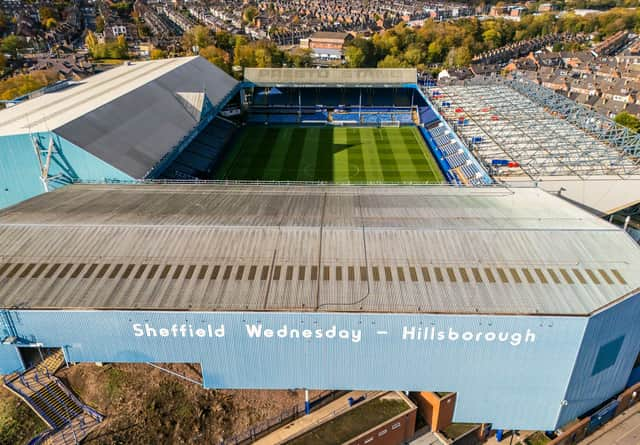

A touch over £255k was spent on stadium costs including ‘expenditure on matchday operational requirements, CCTV and security-related systems, IT hardware and support, general stadium upkeep and other site-related operational expenses.’ A further £160k was spent on the ‘hire of vehicles, training-related equipment, pitch maintenance machinery and other operational equipment required.’
Some £3.7m has been spent in employee-related costs, with £2.1m in PAYE and National Insurance and a further £95k in workplace pension obligations. Around £271k has been paid to the EFL for ‘league-mandated charges, gate levies and other competition and regulatory fees payable under EFL rules.’ There was £80k spent on retail costs, £51k in legal fees, £4.5k in professional fees and a whopping £85k on utilities bills.
..and money comes in
What the proposal does highlight is the importance of fan income - and of course that of the EFL and authorities. Following a monumental push soon after administration was confirmed, over £1m was taken from retail across the club shop and from a pop-up store based at the Christmas market in the city centre. Fan donations totalled a tick under £69k.
A square quarter of a million was taken from the EFL for television payments and a whopping £5.1m was received from other EFL receipts including an academy grant, EFL basic awards, iFollow takings and a Premier League solidarity payment.

Some £2.48m was received in ticketing, with £427k going the other way as per the set-up of proceedings in which money is received for away tickets by the travelling club and is then sent back on to the home club on the basis that the host lub takes 95% of the sale price. Some £63k was received for miscellaneous retail which ‘comprises income from matchday parking, raffles, ground tours, scoreboard messages and the Club's 50/50 and lottery draws.’ Room hire at Hillsborough raised £35k and takings on catering and hospitality were at a considerable £628k.
Interestingly, a hefty refund was received on an insurance premium. The document reads in part: “Prior to our appointment, the Company had made a prepayment in respect of the annual Stadium insurance policy. Following a review of this position during the trading period, the insurer processed a refund of the unused premium. As a result, the sum of £210,070 has been received into the administration estate.”
HMRC back-and-forth
BTG appear to be contesting a HMRC ruling that has demanded over £450k in additional employee-related costs be paid as part of the expense of the administration. BTG took control of the club on October 24 and the authority are claiming the administrators are responsible for the PAYE liability for the whole month, while the counter argument is that the PAYE fees owed up until the point they took over should be treated as secondary claim - and should be paid from the creditors’ realisations in the eventual sale of the club.
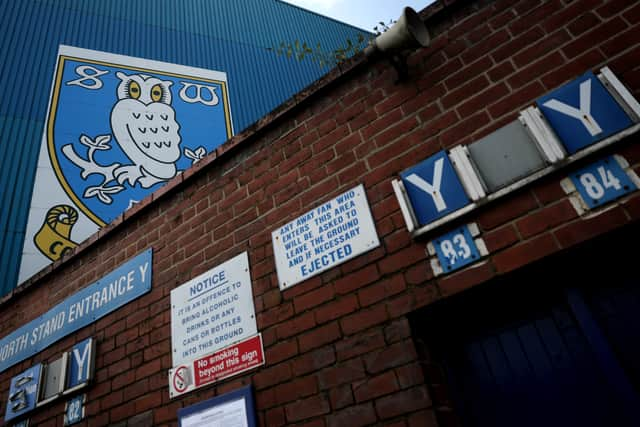
The relevant passage of the document reads: “At this stage, we note that HMRC's claim may be subject to change. HMRC have indicated that PAYE and NIC in the sum of ~£463,000 relating to pre-appointment wages should be treated as an expense of the administration rather than as a secondary preferential claim. We have challenged this position and will provide an update once the matter has been resolved.
“The EFL's Insolvency Policy requires that all HMRC liabilities are paid in full, whether preferential or unsecured, as a condition of the Club's continued membership in the EFL. This requirement applies regardless of HMRC's ranking within the statutory order of priority and forms part of the broader Football Creditor obligations that must be satisfied in full to avoid further sporting sanctions. Accordingly, the full settlement of all sums owed to HMRC will need to be achieved as part of any successful sale of the Club.”
Big saving on Yan Valery
One aspect of the proposal did highlight receipt of over half a million pounds for loan fees / contingent fees. It is assumed this is in bulk based on the wages that would have been paid to Yan Valery, who was allowed to join BSC Young Boys on a temporary basis after the UK window had closed. The Star’s reporting understanding that is the Swiss club are paying all of his salary. It’s also made clear that some bonus payments in historic transfer deals were also received by the club.

The document reads in part: “Total receipts of £586,637 were generated from loan fees and contingent transfer income during the administration period. These receipts comprise amounts received from borrowing clubs in respect of players temporarily transferred out on loan during the season, reflecting the contractual contributions made towards the players' services for the duration of each loan spell.
“The Company received contingent fees arising from historic player transfer agreements entered into prior to the commencement of the administration, including sums triggered under contractual add-on provisions such as appearance-based milestones, that became payable during the period.”
Cash already paid out to football creditors
As previously reported, some hefty sums have been paid out to ‘football creditors’ to whom debts must ultimately be settled to avoid the risk of sanction from football authorities. Some of these payments have been cleared already and include overdue transfer sums owed to other clubs leading into the administration. Nearly £2m is still owed on Ike Ugbo and a tick over £350k for Olaf Kobacki and will need to be paid on exit from administration. Some £93k was spent on fees relating to incoming loan deals.

The report reads in part: “£618,844 has been paid to Football Creditors during the administration period. This amount comprises a deferred transfer fee that became due during the period.”
The Star has a dedicated Sheffield Wednesday WhatsApp Channel to bring the latest news, analysis and team & injury updates direct to your phone. Simply click here to join
A further £100k was shelled out on existing commitments to historic transfer dealings. The identities of the players involved are not known but would appear to relate to sell-on clauses - with suggestions being that PSG and Monaco were in-line to receive kick-backs on the summer transfers of Djeidi Gassama and Anthony Musaba. The report reads in part: “During the trading period, the Company made payments totalling £101,166 in relation to contingent transfer obligations. These sums include sell-on fees triggered under historic player transfer agreements.”
January sales policy confirmed
The official sum to put money received from player sales in the January transfer window is £1.5m, with The Star’s broad understanding being that £1m of that was from Wrexham for Bailey Cadamarteri, and that an up-front payment of £500k was paid by Chelsea for youngster Yisa Alao. In Alao’s case, there is believed to be a number of future kick-ons in Wednesday’s favour. Any add-ons in the Cadamarteri deal are unconfirmed.

The document explains the reason for these sales and reads in part: “The sales formed part of a prudent contingency strategy implemented during the trading period. Given the uncertainty surrounding the timing of a sale of the Club, it was necessary to ensure that the Club could continue trading through to the end of the 2025/26 season should a transaction not complete within the required timeframe. The player disposals therefore served two purposes: to raise funds to support ongoing cashflow requirements, and to reduce the Club's wage bill to a more sustainable level for the remainder of the season. Taken together, these measures reduced trading risk during a period of operational uncertainty.”