
Exclusive:Chansiri trouble, US tenacity and fan role - Inside the Sheffield Wednesday takeover with Storch's lawyer
Keir Gordon’s role in the takeover of Sheffield Wednesday is one not well known to now - but was an important one. Alex Miller reports.
Keir Gordon’s engagement with the Storch family goes back a long time.
A way away from the glitz of transfer windows and cup finals and Sky Sports ticker tape, the corporate finance specialist operates on one of the not-so-public sides of the game, pulling together investment and assisting in the buying and selling of football clubs.
He’s a solicitor and legal advisor that has acted on either side of a number of takeovers and investments; at Charlton, Swansea, Bristol Rovers, Southend, Crawley and London City Lionesses. It’s a vital side to the game not so routinely brought to the public gaze. But then, there’s nothing routine or usual about Sheffield Wednesday.
As a partner on the corporate team at Charles Russell Speechlys, the law firm engaged as advisors by the Storch consortium throughout their triumphant efforts to acquire Wednesday, few if any have a closer eye on the consortium’s journey to Hillsborough.
The road has been long. Scenes that saw David Storch direct the eyes of 30,000 Wednesdayites to a screen that saw a countdown of next season’s points deduction fall to zero were dramatic and were the culmination of 18 months of trials and tribulations from the point of their initial interest in buying the club. Gordon first met them in late 2024.
“They were looking at investing into an English club,” he told The Star from a plush office in a 45-minute Teams call held late last week. “They had a look at a few clubs, which I think is known as well. But when we brought Wednesday to them and they got to understand the history of the club, I could very much sense that this was something that they felt was above the others that they'd looked at in terms of a real opportunity.


“We went up to the Norwich game on that Wednesday night (November 5) when there were 28,000 fans in there. David was sitting there with Michael and thinking ‘Goodness me, this is a great, great opportunity and a great club.’”
The Storch’s desire to invest in English football previously is no public secret. Interest in Cardiff City came and went along with a partnership with Gareth Bale, a look at Plymouth Argyle was ventured and co-investment with Rob Couhig on Wycombe Wanderers was at one stage on option. Other clubs were looked at.
But it appears there is something about Wednesday that saw them push on through. With fortunes dwindling at S6, long into the carousel of staff payment issues, enforced player sales and the very real concern of stadium safety, work was undertaken last summer to approach Dejphon Chansiri with an offer to buy the club. As had been the experience of others, those efforts fell flat.
The Star carried stories throughout last summer of frustration by interested parties in the lack of proper process around the deal, of £100m or more valuations and terse discussions being undertaken on LinkedIn. One source operating separately to the Storch bid described the process as a ‘circus with no ringmaster’. Another told us he was afraid the club was being ‘left to rot’.
That summer of discontent also saw the Supporters Trust spring into action on many a front. Alongside the mobilisation of a fan spending boycott that accelerated the club’s spiralling financial position and Chansiri’s requirement to place the club in administration, they got busy attempting to open-up conversations with a view to finding someone willing to rescue the club. One of the people they ended up in contact with was Keir Gordon, with contact first made by Trust board member Tom Scott in July 2025.
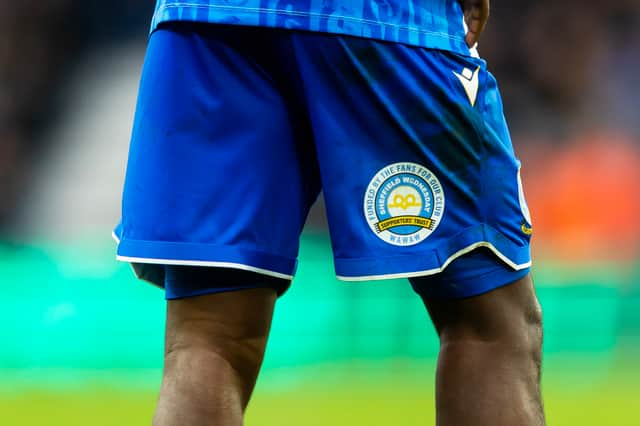
“I was speaking to the Supporters Trust, Tom (Scott) and James (Silverwood) there and so on,” Gordon said. “They were essentially saying, ‘Do you know anybody?’ One of the things that we have through the work that we've done is contacts who will reach out to us if they are interested in acquiring a club. So I put them together to see if they could work together on trying to build an opportunity to make a bid, which of course they did.
“Rumour has it that there were a number of other interested parties at that stage. But frankly, it proved to be a process that didn't really even start as a process, to be honest with you. It was really difficult, if not impossible, to get anything what I call meaningful out of those people said to be representing the previous owner. It didn't go anywhere through frustration. Ultimately David and Michael sort of backed away from it, feeling that if there wasn't a willing and sensible and reasonable seller, then it wasn’t going anywhere. They needed to have proper engagement.
“And then it then came back on again when the club went into administration in October.”
That process accelerated fast, with dozens of indications of interest, a whirlwind of media interest and an ultimately failed preferred bidder named on Christmas Eve thanks to a monster bid that blew Storch and other candidates out of the picture. The James Bord consortium withdrew in March amid major questions over their vetting suitability, leaving major concerns over the club’s very future.
The Storchs, buoyed by the romance of a Wednesday resurgence and the vast opportunity that resurgence would represent for investors who get the project right, stayed engaged. Their retained interest was made known via a BBC Sheffield report just days before Bord’s withdrawal. Their initial pre-Christmas offer - which was contingent on the points deduction being wiped out - was revised for better suitability should the chance come around again. Conversations with the relevant authorities were had throughout in preparation for the club coming back on the market.
Gordon said: “I think what the Storchs did, which people probably aren't all too aware of, was that they stuck to the process despite some hurdles being put in front of them. It's not hurdles by Begbies or anyone else, but just by what needs to be done through an administration process.
“They stuck with it, and when they selected the preferred bidder at Christmas, they didn't go away. They continued to make both the administrators and the EFL know that they were still interested. All credit to them. They had a decision to make; ‘What do we do? Do we stay with this because we really want the club and we feel passionate about that, or do we move on?’ And they stuck around.”
Gordon’s knowledge of football club owners and working relationship with the Storchs puts him in a better position than most to make a view on their suitability for the vast Wednesday project. Aside from their own approach to business and how they went about the process of acquiring the club, he sees great value in their willingness and desire to bring people on board to run their own areas of expertise.
Tom Costin was brought on board separately to Gordon’s activity, bringing with him knowledge of the running of a club and wider investment. David Bruce has made a busy start to life as the club’s CEO, with some business avenues already opened as the club goes about continuing to build a proper structure. Gordon himself acted as the consortium’s solicitor from day dot but collaborated with Nick De Marco, who was engaged somewhere around the point of preferred bidder status being granted to provide expertise on the EFL process.
“I think they're great new owners, I really do,” Gordon continued. “I think what has struck me from the outset is, as I said, one of the things that I've really, from my perspective, I've found very reassuring is the professionalism and the integrity that they've shown. They've not made an investment outside the US before, so they've turned to their advisors in a proper way and sought guidance and listened and so on, which I think has been a great indication.
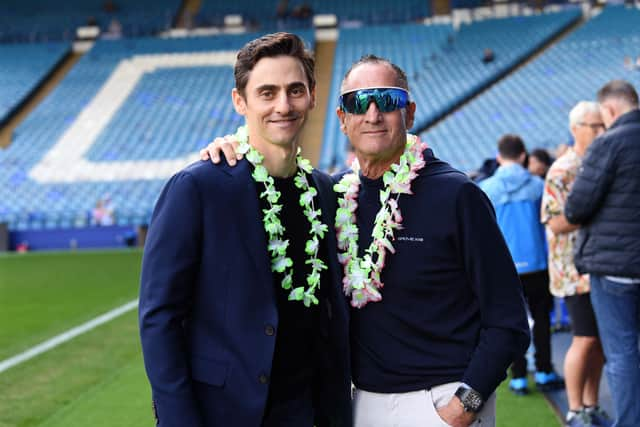
“And I think that's reflected in what they're doing in terms of bringing a really strong management team around them. I think David Bruce is a very good appointment. I think he did good things at Sunderland and I think that's really exciting for the club. They recognise where their skills lie and they recognise where they need to bring people in around them. That certainly wasn't the case with the previous owner.
“And I think that sort of approach will stand the club in really good stead. In my experience nobody knows how to run football clubs when they think that they can do it themselves. Those that succeed bring people with experience in alongside them. That's where I think the club will do really well and the Storchs will do really well.”
The final word, as it so often has done in recent weeks and months, goes to the club’s fanbase. Without the work of the Trust it would appear more than likely that Gordon - and therefore the Storchs - would never have engaged with Wednesday. Without the passionate boycott of proceedings Chansiri may well have stumbled on into January and he may well have been able to keep the lights on even until this summer. Without the re-engagement of that fanbase, the money would have dried-up long before a May 1 deal was possible.
“I knew this to a certain extent, but I've only really seen it now first hand just how fantastic the Sheffield Wednesday fan base really is. It really is,” he said. “It’s astounded me, the level of engagement the fans have had and how they've demonstrated that by turning up when it mattered, boycotting before and so on.
“I think that's really something that's quite special about the club. I did say to David and Michael that this is a club that needs investment. There's no shying away from that, Hillsborough needs investment. But you've got a club there with not just a great fan base in Sheffield, but a great fan base across the UK, also potentially internationally, a fan base in the States and elsewhere. If you can get that feeling back again, it's going to be a great thing.”