
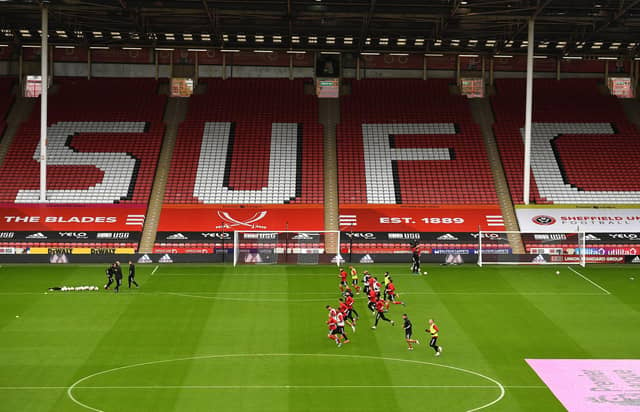


Only recently, tech giants including Elon Musk signed a letter calling for the postponement of certain AI tools which, according to the missive, pose “profound risks to humanity”.
ChatGPT has become one of the best-known AI tools, with a student recently using the technology to write a (successful) appeal against a parking fine. The tool can answer questions and help users compile essays, emails or even computer code.
But how much does it know about football, and specifically Sheffield United? To really put it to the test we tasked ChatGPT with compiling its best-ever Blades XI - a task that even the most diehard Unitedite may find difficult. Choosing a 3-4-3 formation, the AI made some bold decisions in both personnel and positioning - and some of the choices were curious, to say the least!
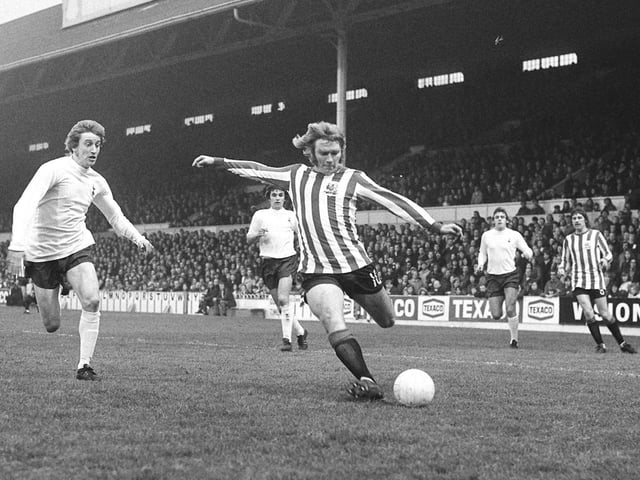
5. Defender: Tony Currie
Talk about playing out from the back! Alongside Morgan and Johnson in ChatGPT’s all-time best Blades XI sits the club’s greatest ever footballer, albeit in defence rather than further forward. The AI mentions he helped United to the FA Cup semi-finals in 1972 (they were knocked out in round three) and the title in 1971 (they finished second) but you can’t argue with the assertion that TC’s “performances on the pitch earned him a reputation as one of the most talented players in English football at the time.” Photo: PA
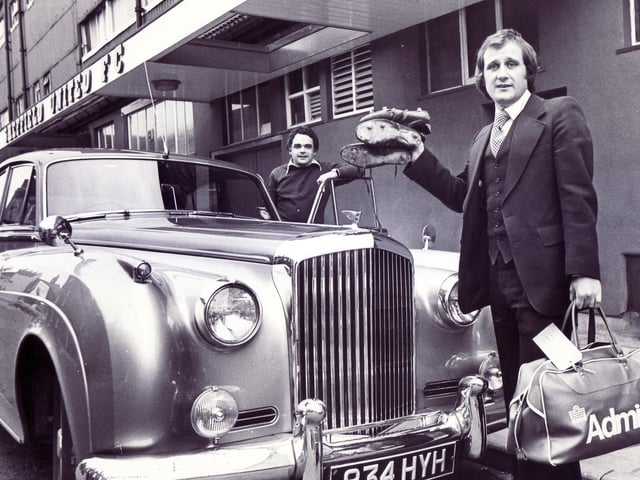
6. Midfielder: Len Badger
A right-back in midfield ahead of Johnson and Currie is a bold move but this is the AI’s world and we’re just living in it. Badger, apparently, helped United win the second division in 1969 – they finished ninth – but his “longevity and consistency” at United is rightly recognised, having played over 450 times for his boyhood club. Photo: Sheffield Newspapers
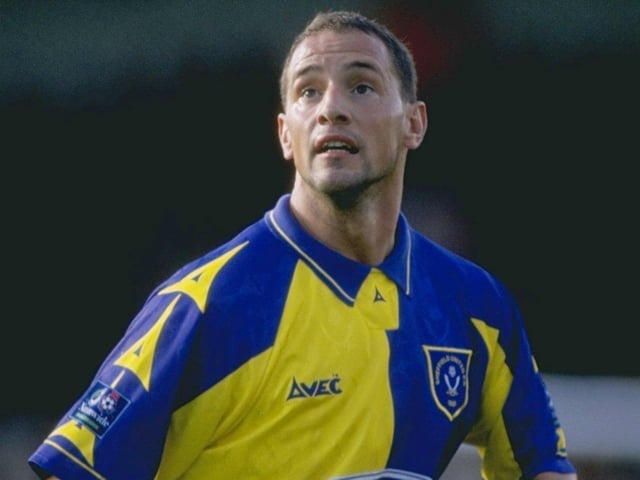
7. Midfielder: David Holdsworth
Apparently nicknamed “The Chief” during his time at Bramall Lane, the defender affectionately known as ‘Reg’ after the Coronation Street character is another out-of-position pick by ChatGPT in a midfield role. His key role in United’s promotion to the Premier League in 1997 comes as a surprise, considering United lost the play-off final that year, but he did apparently play “a significant role in the club's success during his time there”. Described as a “strong, physical defender who was known for his toughness and his ability to win aerial battles”, his leadership qualities also impressed the AI. Photo: Anton Want
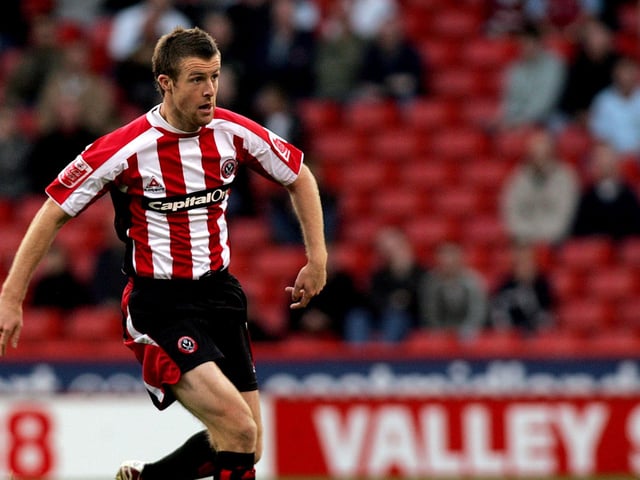
8. Midfielder: Michael Tonge
At last, an actual midfielder in midfield. Blades academy product Tonge gets the nod from the AI, who rightly recognise his role in winning promotion in 2006 but also has fonder memories of their one-year stay in the top-flight than most Blades fans, adding Tonge “played a significant role in the club's success during his time there.” [That sounds familiar?]. A “creative midfielder who was known for his excellent passing and technical ability”, the AI described Tonge as “a consistent performer for the club throughout his career” and someone “well-respected by his teammates and opponents alike.” Photo: Steve Parkin