
Sheffield Sharks’ Atiba Lyons: A lifetime in basketball, always grasping opportunities, always learning

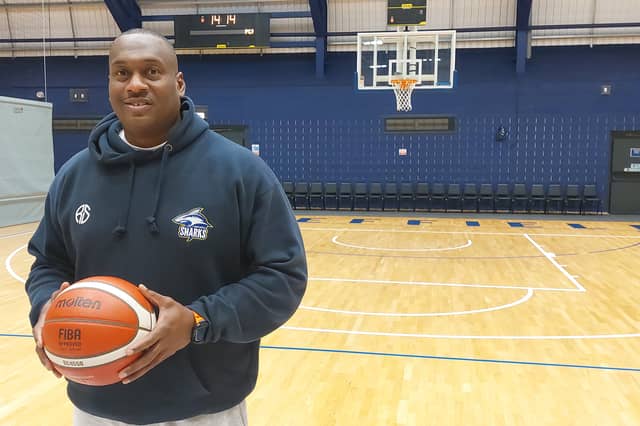

Sharks head coach Atiba Lyons talks to The Star about growing up in Brooklyn and Florida, how he ended up in Finland and his love for Sheffield
Dissecting Atiba Lyons’ words following a wide-ranging chat at Sheffield Sharks’ impressive Canon Medical Arena, one theme springs to mind... learning.
He learned quickly about his surroundings while growing up in 1980s Brooklyn during “a crack epidemic and a lot of violence, a lot of gunshots.” He learned how to deal with racial tensions after his family moved from New York to Florida. He learned he could play basketball to get through college. He learned, almost accidentally, that his sporting talent could provide him with a career outside of the US. He learned how to be a coach. And he’s still learning how to be a coach, despite doing it for about 18 years.
It was that relocation from Brooklyn to Inglewood when he was 11 years old that helped shape Lyons into the man is he today. The culture shock of the move. The strengthening of the family unit that could easily be described as a team.
“It was a big change, you know, obviously even at a young age,” he says. “It was a massive change, that kind of formative years of what you knew the world to be in Brooklyn, and even though it was whatever it was at the time, it was home, it was what I knew. Moving to Florida was just polar opposites in the early 90s, still very high racial tension in the south, and we moved to a place where we thought was obviously on paper, good schools... but some of it was a bit rough being one of the first black families living there. But again, I had my brothers looking out for me, I was able to enjoy moving in, having space and fun and having a big backyard.
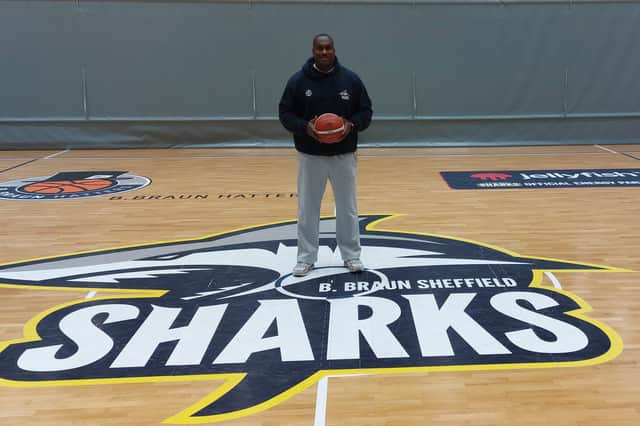
“But it was definitely a culture shock, a huge culture shock, and it took a while to adjust to that, but as you do when you’re kids, you do learn and evolve.”
Lyons adds: “I think it makes me, now as an adult, well-rounded, I'm able to kind of adapt to any situation, any walk of life. I pretty much grew up around it or with it, multicultural New York, so it was everything there in Florida, being in the deep south, and sometimes predominantly white school, I'm able to manoeuvre that kind of environment as well, which has helped me later in life for sure, just the more experience you have, good or bad, they help shape you.”
Just how difficult was that move to a predominantly white area during that time?
“It was hard, but I will say again, I had brothers, and I would say there was an attempt to pick on us or bully us, but we didn't let that happen very easily. We were a very sound unit and we weren't scared to fight and protect ourselves, but you definitely have to grow up and even put in positions where grown men are trying to pick on me and a 12, 13-year-old, and that happened, that's reality. So it was tough at times, but the flip of it is there's some great people that I still keep in touch with now.”
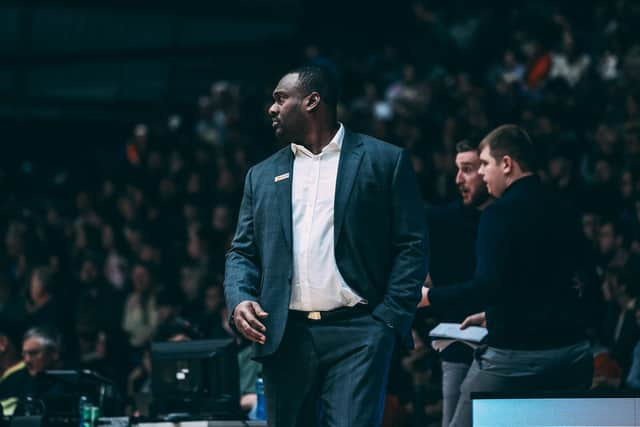
Having gone back to New York for university a chance conversation would then open up a world of opportunity for Lyons.
“I played college, got my education paid for,” he explains. “Time to get on with the real world. And I was talking to a roommate of mine whose girlfriend had played in England. I was going to like Wells Fargo Bank for an interview in different places. He said, you know, you can play basketball over there. You know, you can play. I'm like, ‘nah’. I had no idea of just the opportunities. I felt lucky enough just to get to college. I didn't think beyond that. And I happened to get a letter in the mail from an agent saying they're doing an exposure camp in Atlantic City. I should come down. There's going to be coaches there. And, again, that's just kind of my, like, I don't want to leave any opportunities on the table. Like, if there's a chance, I'd rather fail than not try. So, nah, I'll go down.”
That would eventually lead to a move to Finland.
“I had no plans on it being year after year. I thought, this might be the only year I do this. So you want to go, you know, go swim in the ice river? Yes. You want to go do this? Yes. Whatever the opportunity is, I'm going to get my teammates, the local guys, and I'll try, you know, smoked reindeer, moose, or just whatever you're doing, let me know, because this may be the last time I get a chance to experience something like this.”
Another move would change Lyons’ life, though, as in 2008 he rocked up in Sheffield, where he has been ever since. For a man who has made big moves throughout his life, what has kept him in South Yorkshire for so long?
“Yeah, I mean initially probably just loyalty, I'm a loyal person and they treated me really well with respect and being where I'm from, I don't take that lightly, you know, I try to reciprocate respect with loyalty and I think when I first came, they were honest, straightforward and they did their best by me.”
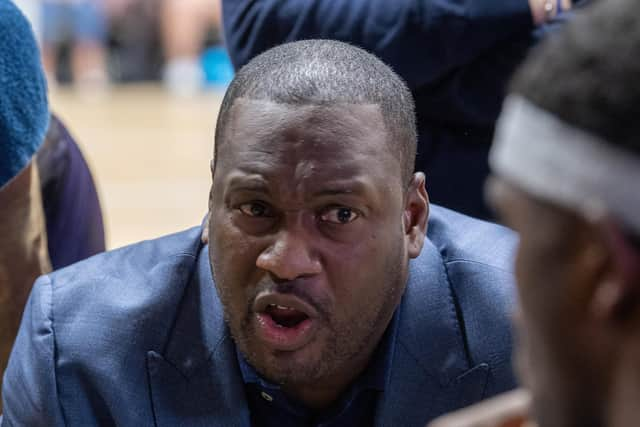
“And then the actual city is, I think it has a little bit of hospitality, some hospitality that I like, but also there's a bit of city, and also I'm not far from London, if I wouldn't get that New York City experience where you're just a million miles an hour and the energy's about, you know, taking over the world that day, but being close enough to get around where it's just the salt of the earth people, good, you know, good local pubs or food, whatever you want to do, and just raise a family, really. It's a great city to be outdoors, raise a family, sports is entertaining, so I think as I got older, I really, really definitely appreciated the mix and the balance of Sheffield, a lot of multicultural Jamaican food, which my family's from, plenty of that and whatever else you want. So it's got everything here and it still has the touch of the city, but also the countryside and that southern hospitality feel, or, you know, small-town feel that I love.”
On the court, there have been ups and downs. Players have come and gone throughout his time with the Sharks and the sport has developed immeasurably in the UK since Lyons arrived on these shores. At the age of 25 he was made coach of the Sharks. He had to learn quickly and he’s still learning.
“I'd say the big shift was made probably like six, seven years ago, when I really felt like, okay, the way I was coached is no longer palatable or even received in the same way,” he admits. “It was kind of players expected the coach to be a little bit harsh on you and, you know, the blowout and what you guys call a hair dryer treatment and that kind of thing in England. So I was all for that a little bit, time and place, obviously, and you kind of widespread anger and you kind of just let it out and guys either, most guys just saw it as, okay, coach trying to motivate us, let me wake up. But now I feel like it's a lot more individual approach. I mean, that could be, that's just my opinion, I'm not saying that's for everybody, but I definitely think you get more out of being a little more individualised and able to talk to guys one-on-one. And when you're speaking, speak very clear what the point is.
“And I don't know if that's just the game's changed a bit. It's not as physical as it was when I went out that time ago, it's a lot more three pointers and it's not as physical. So it was a little more of aggression and a lot of bigger guys, strong guys were key. Now it's more skilled players than it was. So you could just tell bigger guys, hey, you got to... now it's more skilled. So you got to be more clear on your direction and what they want because they are so talented now.”