
The digital pivot: How rail chaos and storms redefine our daily routines
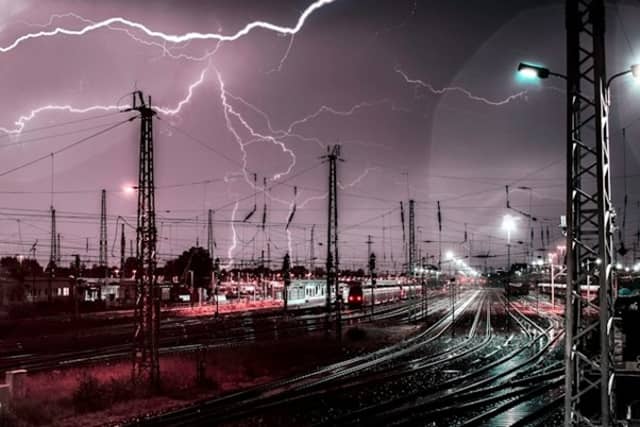

Britain's rail network and its relationship with severe weather have long tested the patience of commuters, but something more significant than inconvenience is happening.
Repeated disruptions are reshaping how people structure their days, where they work, and which digital tools they lean on when physical infrastructure becomes unreliable.
Unexpected downtime reveals existing habits and creates new ones, from remote working sessions launched at short notice to familiar online activities filling the gaps that a cancelled train or a storm-bound afternoon creates. The behavioural changes that follow tend to outlast the disruption that triggered them.
When the network fails, routines shift
A cancelled service or a flooded rail line does not simply delay a journey. It forces an immediate recalculation of the entire day. Meetings get moved, office plans are abandoned, and the smartphone becomes the primary instrument for managing what remains of a workday.
Cloud-based platforms that once felt like a convenience reveal themselves as genuine infrastructure when physical alternatives disappear.
The speed at which people adapt is striking. Workers who might have resisted remote arrangements a decade ago now pivot within minutes, accessing documents, joining calls, and communicating with colleagues from wherever they happen to be stranded.
The friction that once made working outside the office feel complicated has been largely removed by the digital tools that most people now carry in their pockets.
Digital alternatives when travel becomes impossible
When severe weather grounds trains and empties platforms, the response for most people is not to wait it out but to move the day online. Work meetings shift to video calls, grocery orders go through delivery apps, and appointments are rescheduled to remote consultations. Leisure follows the same pattern.
The same digital infrastructure that supports remote work also enables access to regulated online services, like online bingo, without requiring physical travel.
The infrastructure supporting these alternatives has matured to the point where a disrupted commute no longer necessarily means a disrupted day, but more a different kind of day, one that plays out on a screen rather than on a platform.
Storms as accelerators of digital habit
Severe weather events do something that ordinary disruption does not. They affect multiple systems simultaneously, rail, road, power, and communication, creating conditions where digital resilience becomes visibly more important than physical access. When Storm Éowyn struck the UK and Ireland in January 2025, it caused widespread travel disruption and left many households and workers managing their routines entirely through digital means for extended periods.
Events of that scale drive years of gradual behavioural change into a matter of days. People who had never worked a full day remotely find themselves doing so. Households that rely on physical errands discover that a significant proportion of those tasks can be handled online.
The storm passes, but what people now consider normal shifts with it.
Hybrid work and the new planning logic
The longer-term consequence of repeated disruption is a change in how people plan. Fixed schedules built around reliable commuting have given way to more fluid arrangements, where the decision to travel is made later, contingent on conditions rather than assumed in advance.
Rail disruption has acted as a testing ground for these systems. Each major incident has exposed weaknesses, prompted improvements, and normalised arrangements that would previously have required lengthy negotiation.
The commuter stranded at a station is also increasingly someone who can continue working from that station with very little loss of productivity.
Be Gamble Aware. For advice and support for gambling or gambling addiction there are a number of organisations in the UK you can contact such as Gamble Aware or Gam Care