
The Camino de Santiago: How a pilgrimage shapes mind and spirit
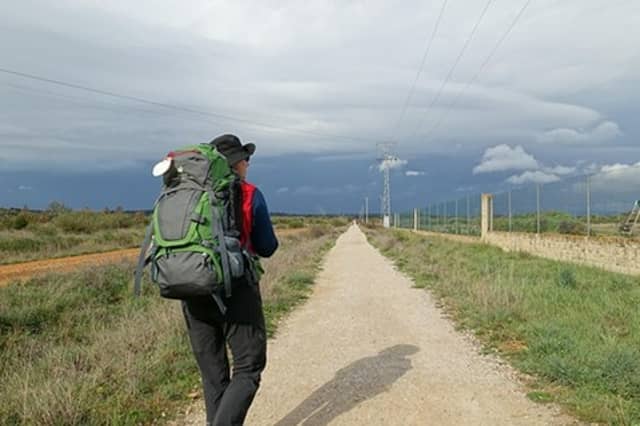

Embarking on the Camino de Santiago is often described as a physical undertaking, but for many pilgrims, it is primarily an emotional and spiritual journey.
The renowned pilgrimage route, stretching across northern Spain, presents a blend of natural landscapes, historic towns, and cultural rituals that together shape a deeply transformative experience.
From the outset, walkers often confront a mix of excitement and apprehension. Setting off with a heavy backpack, the first few kilometres can trigger a sense of vulnerability. Doubts about physical endurance, navigation, or the unpredictability of weather surface quickly. These initial challenges are an integral part of the pilgrimage, signalling the beginning of a personal journey that extends far beyond the miles covered each day.
As the Camino unfolds, moments of anxiety and fatigue can alternate with periods of reflection and insight. Pilgrims frequently report waves of self-doubt, wondering whether they can continue or questioning the purpose of their journey. These emotional hurdles are not failures but opportunities. Recognising and embracing them allows walkers to develop resilience and a deeper awareness of their personal limits and strengths. Many turn to mindfulness techniques to navigate these moments, cultivating patience and self-compassion.
Mindful walking practices encourage pilgrims to engage fully with each step, breathing deliberately and appreciating the present moment. By focusing on gratitude for the surrounding landscapes and the act of walking itself, pilgrims deepen their connection with the path. This conscious awareness transforms the routine of movement into a meditative experience, where the mind gradually aligns with the rhythm of the body and the cadence of the journey. The simple act of walking becomes a tool for self-exploration and emotional recalibration, offering a sense of clarity and calm that many find elusive in everyday life.
Interactions with local communities add another layer to the emotional stages on Camino. Pilgrims encounter small villages where centuries-old customs endure, from communal meals in rustic albergues to the ritual of collecting stamps in a pilgrim’s credential. These practices are more than quaint traditions; they act as cultural touchstones that structure the pilgrimage and offer opportunities for reflection. Sharing stories with fellow walkers over dinner or resting on a village bench fosters social bonds that ease feelings of isolation, while the physical act of stamping a credential symbolises progress and achievement.
Further along the route, many walkers experience a profound sense of introspection. Long stretches of trail provide uninterrupted time to process emotions, contemplate life choices, and consider personal aspirations. The Camino’s varied terrain – from the gentle hills of León to the rugged mountains of Galicia – mirrors this inner journey. Challenging ascents often coincide with intense reflection, while serene landscapes evoke a sense of peace and renewal. Pilgrims frequently describe a growing clarity of purpose, a realignment of priorities, and a strengthened connection to both themselves and the broader world.
As the pilgrimage approaches its culmination at the Cathedral of Santiago de Compostela, feelings of accomplishment and gratitude intensify. The physical arrival is entwined with emotional resolution. Walkers acknowledge the hardships endured, the lessons learned, and the transformations achieved. For many, this moment signals not only the completion of a journey but the beginning of a sustained inner practice, informed by the insights gained along the path.
Ultimately, the Camino de Santiago is a series of emotional stages interwoven with physical exertion and cultural engagement. From initial anxiety to reflective introspection, from mindful walking to communal rituals, each element contributes to the holistic experience of the pilgrimage. By approaching the Camino with openness and attentiveness, pilgrims find that the route offers more than a trail through Spain; it provides a structured framework for personal growth, resilience, and renewed perspective.

Those considering the pilgrimage can benefit greatly from resources like viajecaminodesantiago.com, which provide practical advice alongside guidance on navigating the emotional and spiritual dimensions of the journey. Understanding the stages of emotion that typically unfold allows prospective walkers to prepare mentally and emotionally, enhancing the transformative potential of the Camino.
The Camino de Santiago remains a timeless testament to the power of travel as a conduit for self-discovery. Each step along the route carries the promise of insight, each village encounter reinforces connection, and each reflection deepens understanding. For pilgrims who embrace the journey in its entirety, the Camino offers a rare combination of physical challenge, cultural immersion, and emotional enrichment—a path that leaves an enduring mark long after the final step is taken.