
Is the Vodafone-Three merger affecting your home signal? All you need to know


Across the UK many mobile users are noticing unexpected changes to their phone reception at home.
The merger between Vodafone and Three is well underway and the process is reshaping how both networks operate.
As towers are upgraded, consolidated or switched off, some customers are discovering that the signal they once relied on is not as strong as it used to be.
For households experiencing new coverage problems, a properly installed Vodafone Booster can provide a practical way to restore reliable indoor phone signal. Understanding why these issues are occurring is the first step toward finding the right solution.
Why coverage is changing
When two major mobile networks combine, their infrastructure has to be integrated. Vodafone and Three previously ran separate systems with thousands of overlapping cell towers across the country. Now that the networks are being merged, many of these duplicate sites are being decommissioned or reconfigured to reduce costs and improve efficiency.
From a business and engineering perspective this makes sense. From a customer perspective it can create disruption. A mast that previously provided strong signal to a particular neighbourhood might be turned off, moved or have its frequency changed. Even small adjustments like these can have a noticeable impact on indoor reception.
The key point is that these changes are ongoing. The network consolidation process is happening gradually, region by region, and it is likely to continue for some time. That means coverage in your area today may not be the same as it was a few months ago.

How homes are being affected
Outdoor coverage maps often still show strong service, but indoor signal is far more sensitive to changes in the network. Modern homes are built with energy-efficient materials, thicker walls and improved insulation, all of which make it harder for mobile signals to penetrate. When the nearest cell tower is altered or removed, the difference inside a property can be dramatic.
Many people are reporting that calls now drop in rooms where they used to work perfectly. Others find they can only get a usable signal near windows or on upper floors. These problems are especially common in rural and suburban areas where there are fewer masts to begin with.
None of this means there is anything wrong with your phone or your home. It is simply a side effect of a large-scale network transition that is still unfolding.
Restoring reliable signal at home
For customers who have been affected by the merger changes, waiting for the networks to settle is not always a realistic option. Mobile phones are essential for work, family life and everyday communication. When reception becomes unreliable, a more immediate fix is often needed.
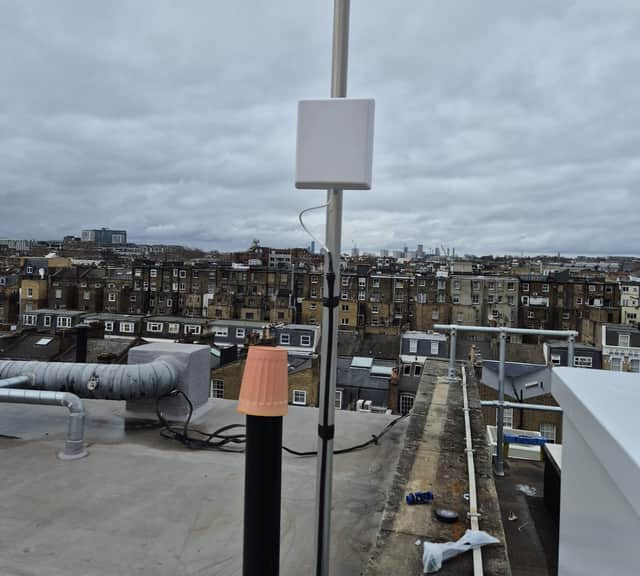
A legal mobile signal booster is one of the most effective ways to overcome these problems. By capturing the available outdoor signal and amplifying it inside the building, a booster can restore clear calls and stable data even in properties where reception has recently declined. Because the system works with the existing network signal, it continues to function even as the wider infrastructure evolves.
Choosing a trusted supplier
With more people searching for help with poor reception, there has also been an increase in low-quality products appearing online. Not every device advertised as a signal booster is legal or suitable for use in the UK. Some cheaper imports can interfere with mobile networks and may not work correctly with UK frequency bands, or even be illegal to broadcast from.
This is why it is important to buy from an established specialist rather than an anonymous marketplace seller. Suppliers, like Mobile Signal Solutions, provide fully compliant equipment designed specifically for UK networks and offers expert advice on choosing the right system for each property. Professional guidance ensures that the solution you install will actually address the problem rather than create new ones.
Looking ahead
The Vodafone and Three merger is designed to create a stronger combined network in the long term, but the transition period is inevitably causing short-term disruption for some users. As towers are rationalised and services are moved around, household coverage levels will continue to change.
If your home signal has become weaker or less reliable, it is unlikely to be a temporary glitch. Taking control of the situation with the right equipment can make a significant difference.
With a compliant Vodafone booster and support from a reliable supplier, it is possible to maintain strong, dependable mobile service at home regardless of how the wider network continues to evolve.
- RELATED: BAKE TO THE FUTURE! Great British Bake Off winner is AMRC’s winning ingredient
- RELATED: New dad Lines aiming high on and off the table
- RELATED: Christmas at Belton creative boss reveals dazzling new trail surprises
- RELATED: PREVIEW: Squeeze and Billy Bragg head this way with memories and hits