
The quiet Sheffield radical who bankrolled reform and fought slavery from Meersbrook Hall
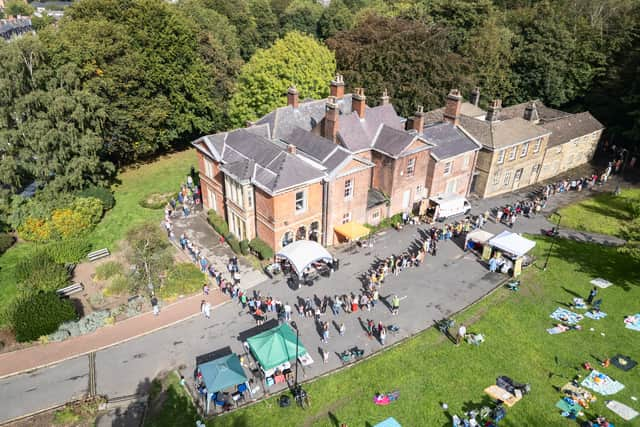
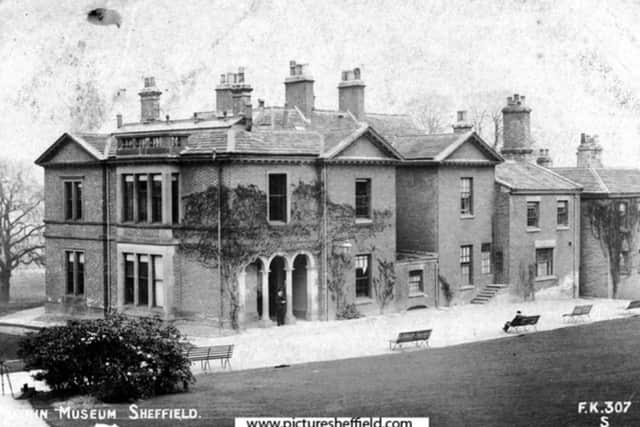
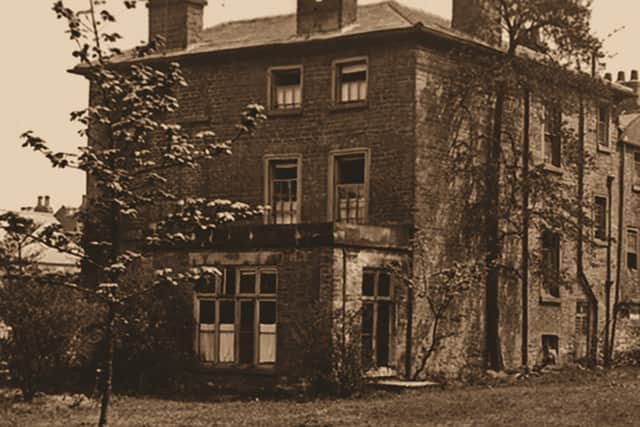
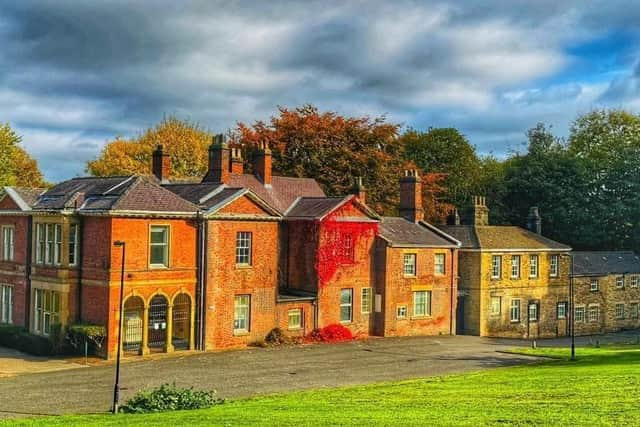
With Meersbrook Hall entering a new era through the passion of local volunteers, a look back at the life of Samuel Shore reveals the understated influence of this 18th-century reformer on Sheffield’s progress and activism.
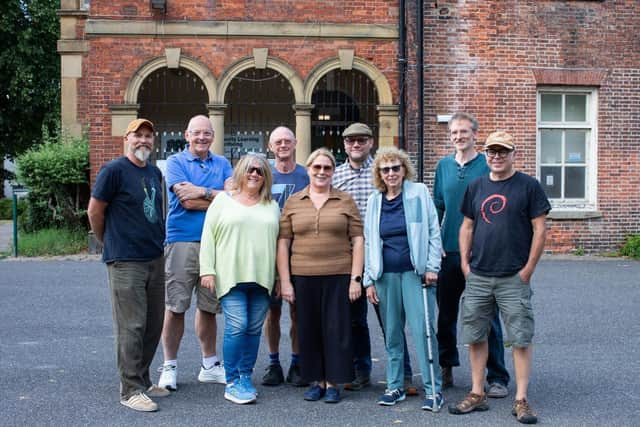
Times are changing for Meersbrook Hall thanks to a dedicated band of tireless volunteers but who was the newspaper man behind the great building, Samuel Shore? Joyce Bullivant of Time Walk Project digs through the archives to reveal all about a surprisingly quiet reformer.

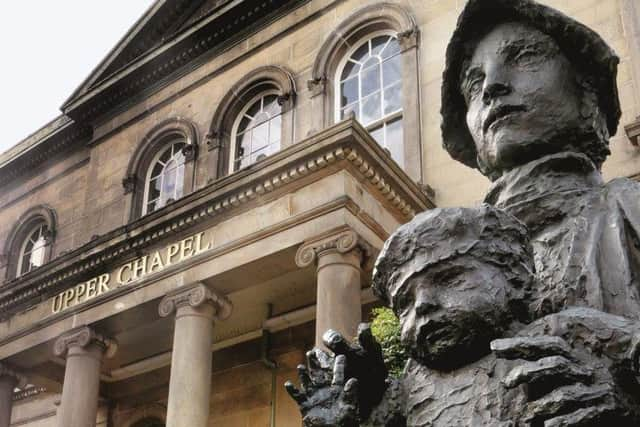
Samuel Shore was one of the 18th century’s most influential reformers, though his obituary suggests few knew the extent of his involvement. The Shore family had risen from quarrymen and stonemasons to great wealth. By 1738, when Samuel was born, they were among the richest families in Sheffield. They were founder members of the Upper Chapel, built in 1700 for dissenters who had split from the established church. Their beliefs later became Unitarian, but Unitarians, like Catholics, were barred from worship.
Because dissenters were excluded from the universities, Samuel was educated first at a French College in London and then for three years at a college in Brunswick in Hannover. In 1759 he married the heiress Urith Offley, gaining the Norton Estate. In 1761 he became Sheriff of Derbyshire and a local magistrate, despite the Test Act, which barred nonconformists from public office and the universities. He did not take the test. Samuel gained status unusual for both northern manufacturers and dissenters. He knew London well, was multilingual, and had a keen interest in science.
As a Unitarian, he was forbidden by law the right to worship. He began to fight for changes to the law, electoral reform, and equal rights under the law. In 1775 Samuel Shore’s sister married Thomas Walker, a radical cotton mill owner from Manchester. In 1780, supported by Major Cartwright, Samuel became chair of the Yorkshire Association. Cartwright called for annual parliaments, equally sized constituencies, manhood suffrage, the abolition of rotten boroughs, and the secret ballot.
In April 1780 he also helped establish the Society for Constitutional Information, of which Samuel became vice chairman. Samuel provided financial backing to William Wilberforce's campaign to become a Yorkshire MP for Yorkshire. Samuel's father-in-law was also part of the influential Clapham Sect of which Wilberforce was a member of and many other influential abolitionists. Clapham was becoming known for evangelism and Methodism. Samuel’s links with Clapham became more evident, and the area became associated with anti-slavery campaigns. In 1786 Samuel was a member of the committee that applied to Parliament for repeal of the Test and Corporation Act. When the motion was defeated, he resigned as High Sheriff in protest.
In the same year, a young printer called Joseph Gales moved to Sheffield to take over the newspaper Sheffield Register. The previous paper had been a local paper and not a very large circulation. Joseph had a vision of a more radical paper, which Samuel was keen to encourage, persuading Wilberforce to support the paper as that meant the paper was exempt from tax.
In 1787 Sharp, Thomas Clarkson and William Dillwyn formed the Society for the Abolition of the Slave Trade. Influential figures such as John Wesley, Josiah Wedgwood, James Ramsay, and William Smith gave their support to the campaign.
Samuel and his friends and relatives set up branches of the Society for the Abolition of Slavery across the country. Joseph Gales support with the rising popularity of his paper proved invaluable to publicising their cause.
In Samuel’s personal life after seven years as a widow Samuel married Lydia Flower from Clapham and moved into Meersbrook Hall.
In 1788, as chairman of the Society for the Abolition of Slavery, he helped organise a petition, with copies placed at Tontine Inn, the Cutlers Hall, and John and William Shore’s bank.
The petitions strengthened William Smith and Wilberforce’s hand to speak against the abolition of slavery. At the same time, reform movements were growing, while the government became more anxious. Violence sprung: Renowned chemist and political theorist Joseph Priestley’s house, meeting house, and scientific notes and equipment were destroyed in Birmingham by a mob. In Sheffield, Samuel called for calm, but a celebration of the revolution turned violent when townspeople attacked the debtors' prison, then the Duke of Norfolk’s agents’ house, and later Broomhall, the home of the Vicar Wilkinson. The protest in Sheffield was not really about revolution but about enclosing common land.
In 1792 Thomas Paine fled to France, was tried in his absence, and was found guilty. In April 1793 Gales chaired an open meeting in Sheffield on parliamentary reform, and it was decided to start a petition for universal suffrage. Gales presented Parliament with a petition signed by 8,000 people from Sheffield. By May 1794 the Sheffield Register was selling over 2,000 copies a week, an unusually large circulation for a provincial newspaper in the 18th century. In 1794 the authorities arrested members of the Corresponding Societies. Some were tried for treason. Joseph Gales attacked the arrests in the Sheffield Register, then fled after publishing the last edition on June 27, 1794. Shore’s money was paid to Gales’s wife to allow them to escape to America.
Samuel remained active in later life. In 1807 he formed a committee to support Lord Milton, and in 1810 he formed the Friends of Reform. In 1812 he held a dinner for John Cartwright. In 1813 William Smith secured an act allowing toleration of Unitarian worship. In 1819 Samuel appeared as chairman at a meeting to protest the Peterloo Massacre. In 1824 he was seen at a meeting in the Town Hall as president of the Sheffield auxiliary branch of the Anti-slavery society.
Sadly Samuel never saw the Great Reform Act which gave two MPs to Sheffield in 1832 or the abolition of the Slave Trade in 1833 as he died in 1828 at the age of 90 at Meersbrook Hall.
His obituary stated: "Activity of body, no less than activity and energy of mind belonged to Mr. Shore. He enjoyed through his long life an enviable state of health and that eveness and elasticity of spirit which belongs peculiarly to those who are in constant action, and who have the hope which religion gives. He sunk very gradually into the tomb. He was truly a green old age.”