
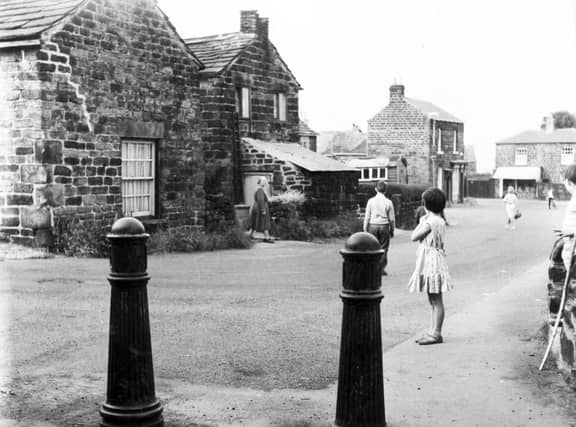

The origins of the name Wadsley are believed to go back some way, originating from Anglo-Saxon roots, combining an old personal or mythological name (Wad, Wadde, Wade, Wada, or Wæddi) with the Old English word lēah, meaning a woodland clearing, glade, or open space in a wood. Together, the name translates to "Wad's clearing".
Initial historical records of the settlement trace back to the 1086 Domesday Book, where it was documented under the name Wadesleia (Wadesleah). Throughout the Medieval period, the area functioned as a feudal manor under the lordship of the De Wadsley family, a local knightly lineage responsible for constructing a manor hall, chapel, and expansive deer park.
By 1227, the Wadsley family name (without the 'De' prefix) appeared in official documentation, a surname that endures to this day, though control of the manor itself has passed through numerous hands over the centuries.
The historical landscape shifted as Wadsley Hall underwent a complete rebuilding in 1722, later receiving Grade II Listed status in 1973, while the original chapel was superseded in 1834 by the construction of Wadsley Parish Church, designed by Joseph Potter at a cost of £3,500.
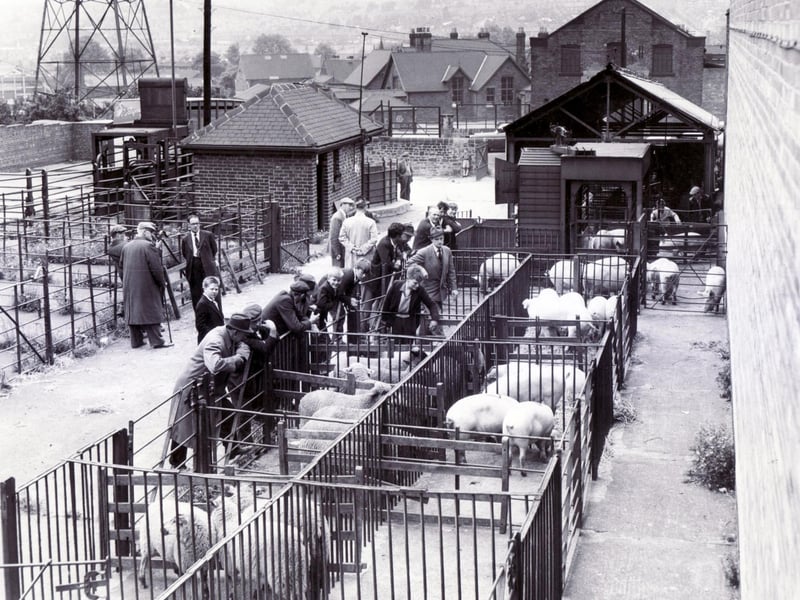
From the 16th century through to the 1920s, cutlery production served as the lifeblood of the local economy, with Wadsley boasting more than 100 cutlers' workshops by the late 19th century.
This thriving trade eventually waned as independent workshops yielded to Sheffield's expanding industrial works, culminating in the passing of Harry Horsfield in 1938, widely regarded as the final ‘little mester’ crafting knives in the area.
🎞️ Did you enjoy this look back to the Sheffield in the years’ past? If you did, then you should sign up to our free retro newsletter
Formerly a distinct village and chapelry in the parish of Ecclesfield, parts of Wadsley were absorbed into Sheffield in 1901, with the remainder incorporated in 1923.
The preservation of Wadsley’s traditional way of life faltered after 1958, following the controversial demolition of the original manor house on Laird Road. Consequently, much of the local community’s physical heritage, including historic small shops, dwellings, and workshops, was torn down without any avenue for appeal.
Facing the relentless march of urban growth, the residents of Wadsley united in 1967 to make a final stand against the changes altering their village. Despite their efforts, the City Council launched its official Wadsley redevelopment plan in 1968. Ron Clayton wrote a few words about his youth in Wadsley, it’s worth a read.
This gallery takes a look at Wadsley and its people as impending change makes its way through the historic village.
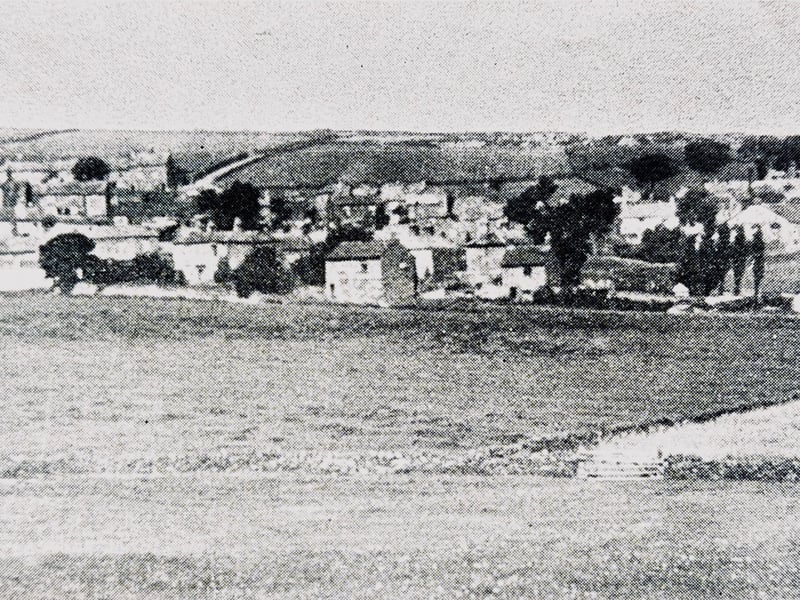
22. Wadsley from Ben Lane
Wadsley from Ben Lane. Date unknown but thought to be taken pre-1967 | Iconic Media
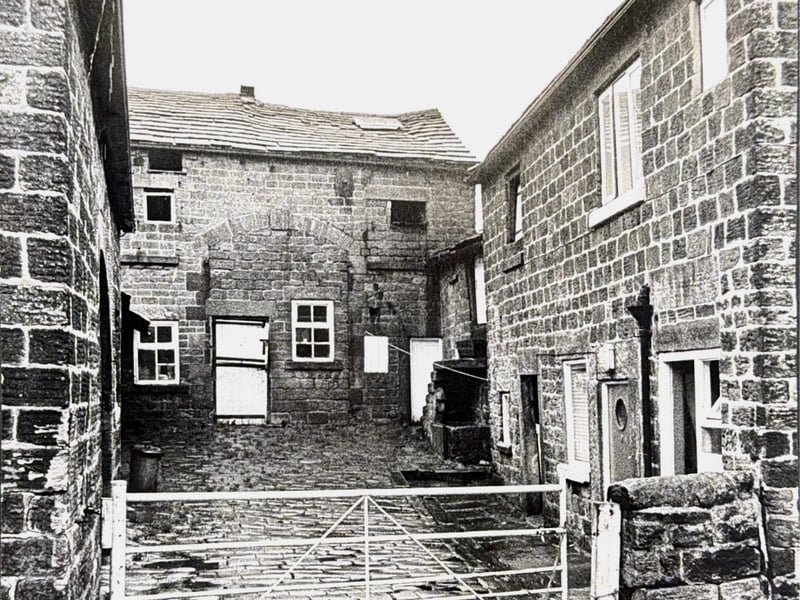
23. Holly Bush Farm is a historic site
Situated at the junction of Luke Lane and Aldene Road in the Sheffield suburb of Wadsley, Holly Bush Farm is a historic site with some surviving 19th-century farm buildings near the Wadsley Jack pub. The 1820 dated Holly Bush Farm at the bottom of Aldene Road, formerly Coal Pit Lane. It remains as a remarkable surviving piece of rural Wadsley, juxtaposed against the modern developments in recent decades. | Sheffield Newspapers Ltd