


Sheffield’s population more than tripled between 1851 and 1951, from 161,475 to 577,050, during the steel industry’s boom days.
It then fell to 513,234, as the collapse of heavy industry saw people leave in search of jobs elsewhere, before recovering to 556,500 in 2021, when the last census took place.
These pictures chronicle the remarkable changes in population across a century and a half, from 1851 to 2001, as the population first exploded and then shrank slightly.
They show how the streets have changed over the years, as traffic grew and the tram system expanded, before being axed as car ownership soared, and then revived in the 1990s.
This retro photo gallery features many of the landmarks that have come and gone over the course of 150 years, from grand Victorian structures like Norfolk Market Hall, the Corn Exchange and the Crimean Monument to more modern additions like the Goodwin Fountain, Sheaf Market and the Hole in the Road.
It shows, too, the dramatic evolution in some of the city’s longest-standing and best-known buildings, like Sheffield Midland railway station and Hillsborough Stadium.
The businesses pictured range from major 19th-century employers like South Street Brewery and Hope Brothers outfitters, to high street stalwarts many people might remember, like Davy’s Provision Stores, on Fargate, Woolworths stores on Haymarket and The Moor, Sugg Sport, on Pinstone Street, and the iconic Redgates toy store.
The lost cinemas featured, meanwhile, include some of Sheffield’s most elegant buildings, like the Tivoli, the Hippodrome, Cinema House and the Gaumont.
This nostalgic gallery takes us right up to the 90s and noughties, showing some of the most famous attractions of the time that many people will remember, including Sheffield Ski Village and the legendary nightclubs Niche and The Republic.
While this gallery starts in 1851, Sheffield City Council’s data shows how the population had increased in the decades and centuries before that, from around 150-200 in 1086 to 2,200 in 1379, 5,000 in 1692, 20,000 in 1750, and 60,095 in 1801.
What do you think of how Sheffield changed between 1851 and 2001, and what do you think the next 150 years hold in store for the city?
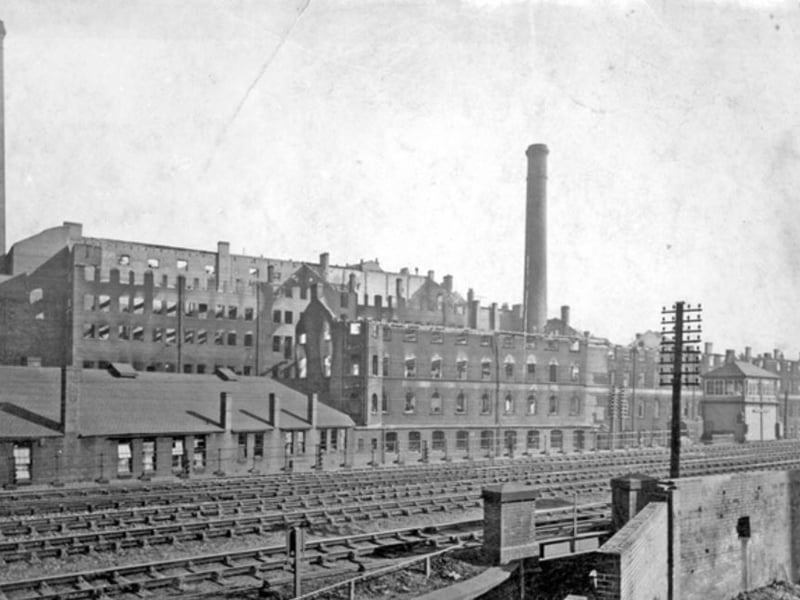
13. Sheaf Bank Works
Sheaf Bank Works, Heeley, Sheffield, pictured after the fire which destroyed it, in April 1921. The blaze, on April 23 that year, has been described as the largest ever peacetime fire in the city. | Picture Sheffield/J. H. Morgan
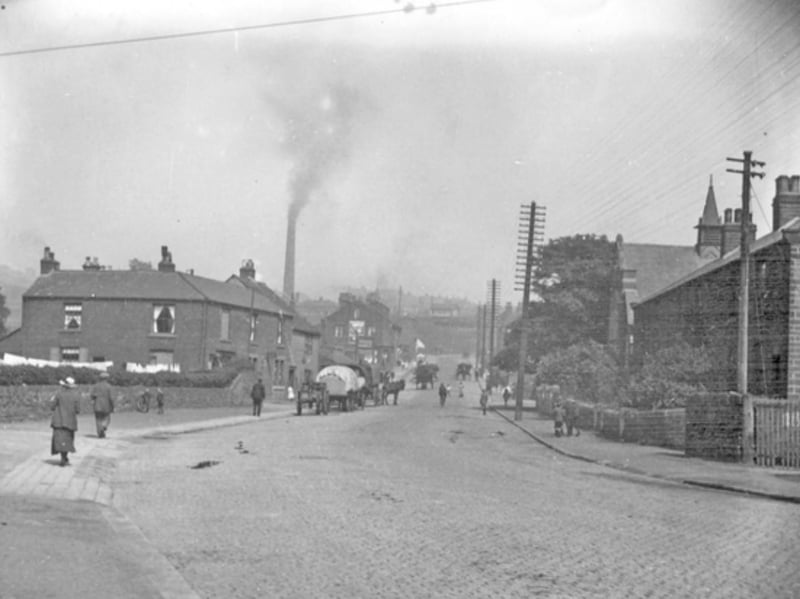
14. Penistone Road
Penistone Road, Sheffield, viewed from Clay Wheels Lane, in 1921 | Picture Sheffield
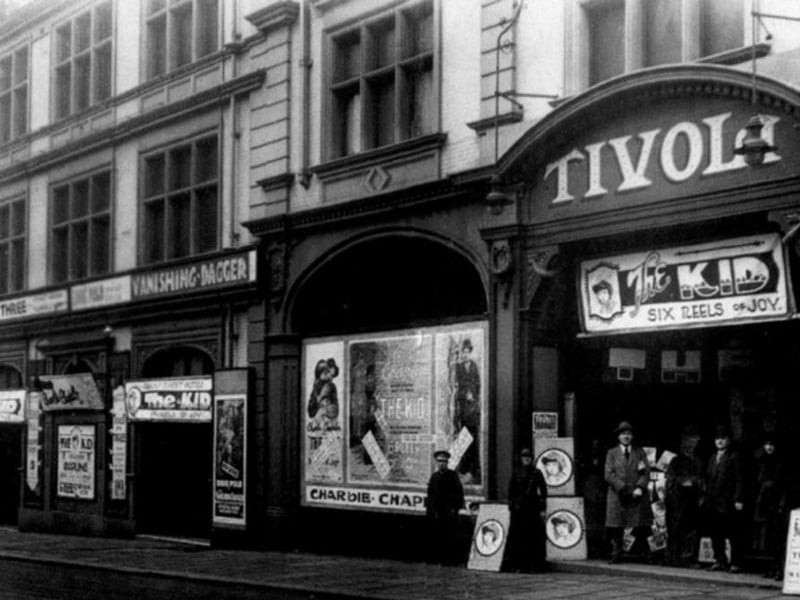
15. Tivoli
Tivoli Cinema, on Norfolk Street, Sheffield city centre, in around 1921. Sheffield's population back then was 543,366 | Picture Sheffield/Colin Kirkham
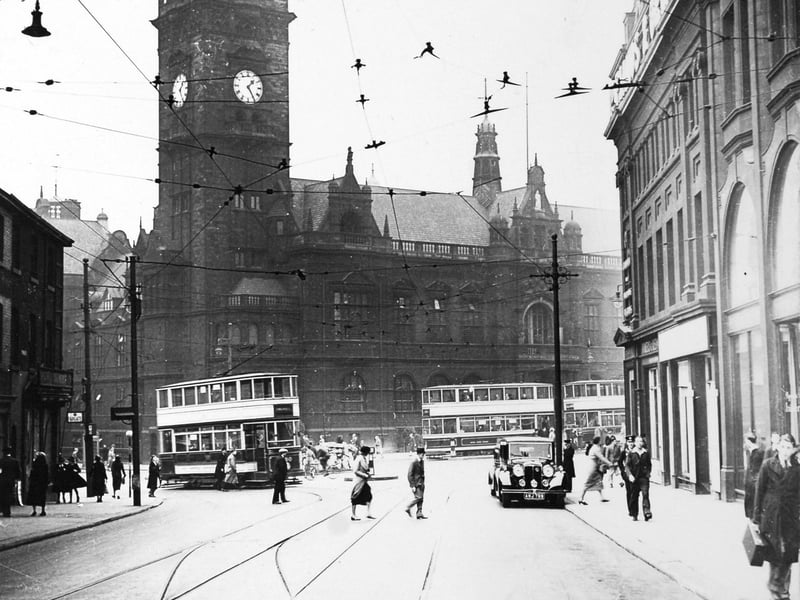
16. Trams
A view along Leopold Street towards the town hall, Sheffield, October 1937 | Local Library