


Sheffield has some beautiful landmarks.
But you will never be able to see the buildings and monuments in this gallery of pictures, structures that were once important on our skyline, but now lost to history.
We have delved into the archives to reveal some of Sheffield's best known Victorian landmarks, which have been demolished over the decades since the end of that era, which played such a big role in the shaping of the city.
Some have been lost to fire, some to developments including road and railway projects.
They range from the theatres where our forefathers used to go to get their entertainment in an era before cinemas, let alone television and streaming, to a long gone football stadium which helped shape the history of the game in the city when it was just taking off.
Take a look at the gallery below to see what we are missing in the era which is now bringing in a whole new wave of high rise buildings across the city.
We have included details of the buildings and when and why they were lost in the captions.

5. Brunswick Chapel
Brunswick Chapel, which used to stand at the bottom of the Moor, dated back to 1834, remaining until the middle of the 20th century | Sheffield Newspapers

6. Theatre Royal
The Theatre Royal stood across the road from The Lyceum on the opposite corner of Tudor Square. It was opened in 1773, but almost entirely rebuilt in 1855. It was destroyed by fire in 1935 | Sheffield Newspapers
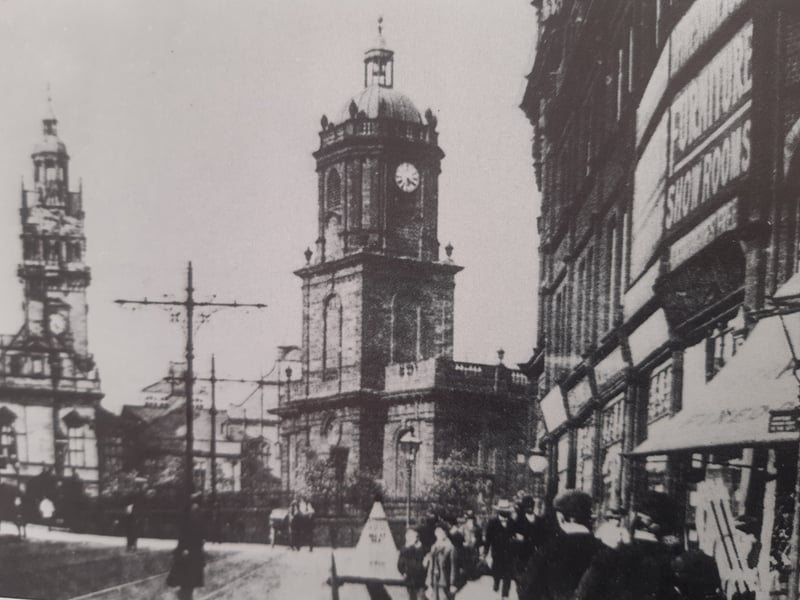
7. St Paul's Church
St Paul's Church was built in 1720, with its dome added in 1769. The building seated 1,250, and was demolished in 1938. It stood where the Peace Gardens are now. | Sheffield Newspapers
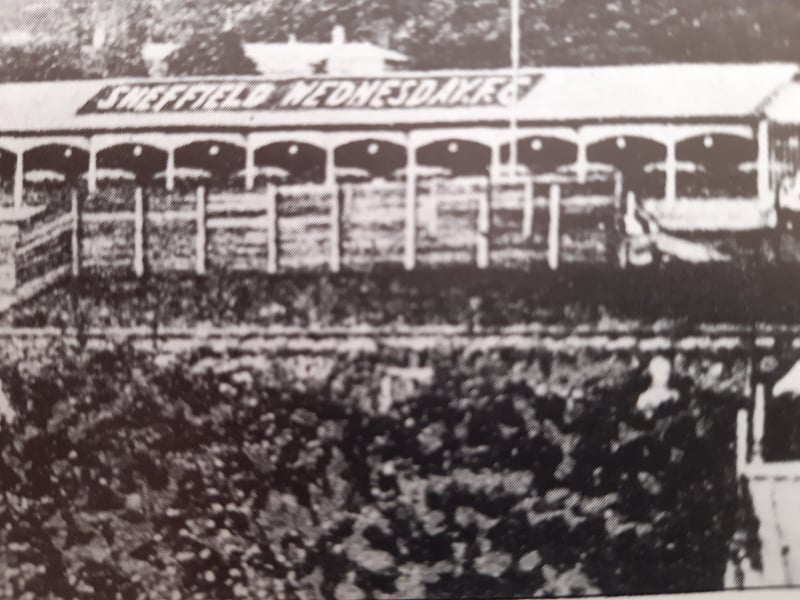
8. Olive Grove
Olive Grove was the ground Sheffield Wednesday built in 1887. They remained there until 1899 when the site was taken over by the Midland Railway Company for an extension to their lines | Sheffield Newspapers