
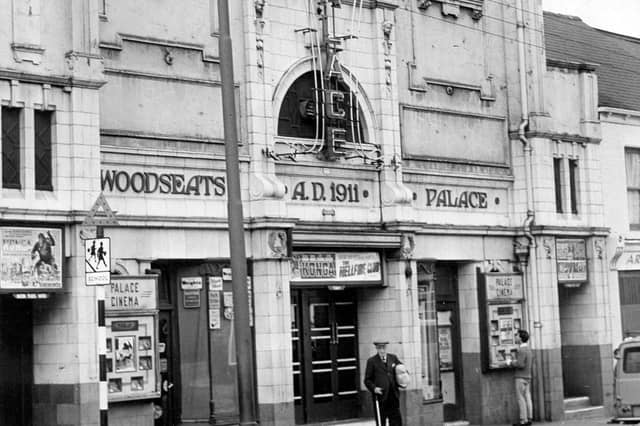

The name Woodseats is derived from the Old English Wodesettes, which means “fold in a wood”.
Separated by open fields, these early farming communities were connected mainly by Derbyshire Lane, which served as the main route through the district long before modern roads were built.
During the late eighteenth and nineteenth centuries the landscape changed dramatically. In 1756, the construction of the Chesterfield to Sheffield turnpike, now known as Chesterfield Road, created a major transport thoroughfare that remains very relevant (read: traffic-jam prone) to this day.
By the Victorian era, Sheffield’s rapid industrial growth began pushing southward. Tramways were extended into the area, sparking a wave of terraced housing and commercial development that merged the two old hamlets into one continuous suburb.
🎞️ Did you enjoy this look back to the Sheffield in the years’ past? If you did, then you should sign up to our free retro newsletter
In 1901, Woodseats officially crossed county lines when it was incorporated into the flourishing and rapidly expanding City of Sheffield.
Throughout the twentieth century, Woodseats developed into a thriving, self-contained shopping and social hub. Community life centred around historic pubs like The Abbey Hotel, The Chantrey Arms, and The Big Tree, as well as the historic former Woodseats Palace cinema, which opened in 1911 and remains today in its present guise as a Wetherspoons pub.
Today, Woodseats retains its strong sense of local identity, blending its Victorian and Edwardian architecture with a lively high street that reflects its journey from quiet Derbyshire farmland to a popular and desirable Sheffield neighbourhood.
Take a look at this gallery that shows the evolution of Woodseats over the past 100-years. What do you miss or remember about this part of the city?
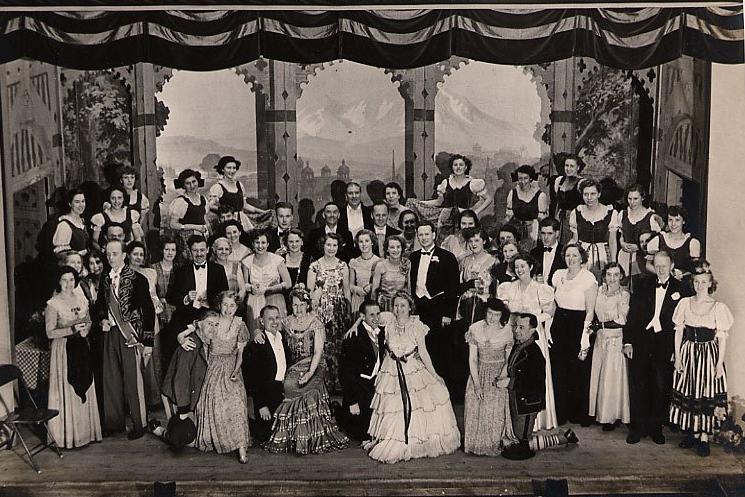
5. Goodnight Vienna
Woodseats Musical Theatre Company's 1952 production of Goodnight Vienna at the Montgomery Theatre, Sheffield
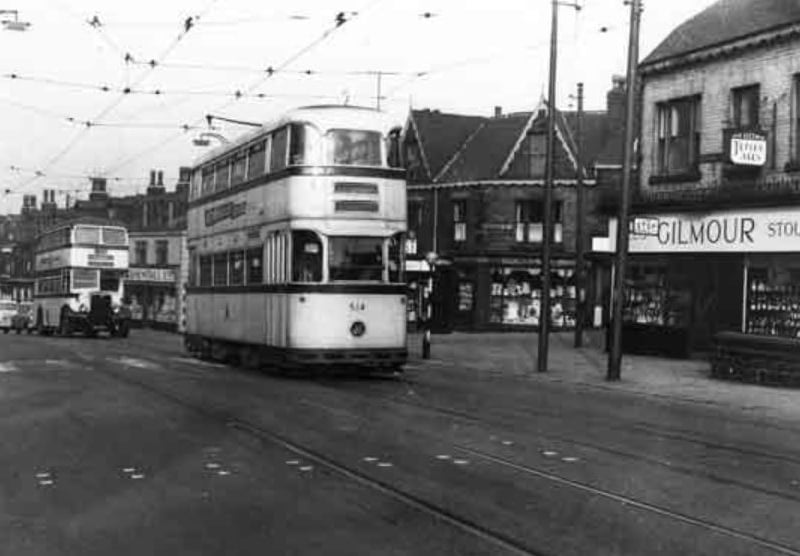
7. Tram
Tram No 514 on Abbeydale Road, Sheffield, at the junction with Woodseats Road, in around 1960 | Picture Sheffield/D.J. Smithies
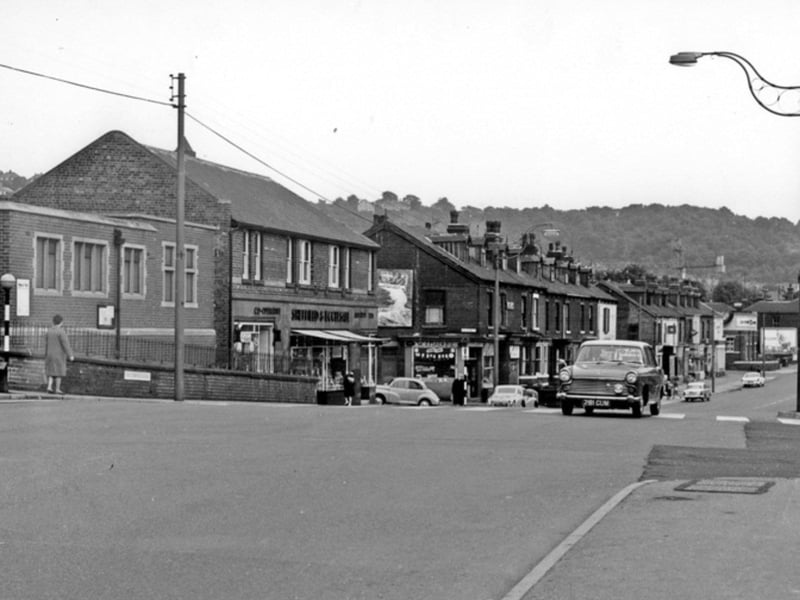
8. Chesterfield Road
Chesterfield Road including Scarsdale Methodist Church and Sheffield and Ecclesall Co-operative Society, around 1960.