
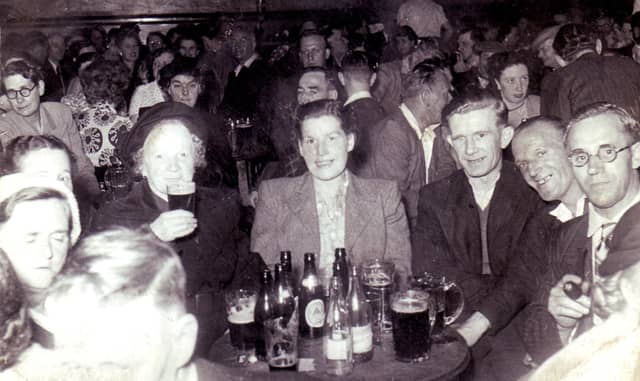

Shiregreen WMC, where The Full Monty was famously filmed, had previously been set for a new lease of life after standing empty for years. But sadly those plans were halted and following a recent blaze its future is looking less certain.
Another working men’s club, Manor Social Club, closed earlier this year and that too was destroyed in a blaze.
Originally, working men’s clubs were founded by a teetotaller as a means to ‘improve’ the working man and keep him away from the pub.
But they soon became less about education and more about entertainment, with members lapping up the cheap booze, bingo, music and comedy on offer.
Many Sheffielders will have spent an evening (or many) at an event held at their local WMC, whether it's for pleasure or in some cases community meetings.
There used to be some 4,000 working men’s clubs across Britain in their 1970s heyday, a number which has reportedly more than halved since then amid rising costs and the changing habits of patrons.
While many WMCs across Sheffield have fallen victim to changing times and drinking habits, some continue to defy the odds and pull in the punters – maintaining its status as a bedrock in some areas of the city.
The survivors include the hugely popular Crookes Social Club, which was founded in 1919 as Crookes Working Men’s Club, and where Def Leppard are among the bands to have graced the stage.
This retro photo gallery shows some of Sheffield’s many working men’s clubs during the 1950s, 60s, 70s, 80s, 90s and 2000s.
The clubs featured include those in Darnall, Woodseats, Aldwarke, Handsworth, High Green and Firth Park, among other places.
The photos featured are taken from The Star’s archives or shared courtesy of Picture Sheffield.
Do you remember any of the working men’s clubs that are no longer there? See if you can spot someone you know or someone known to your family.
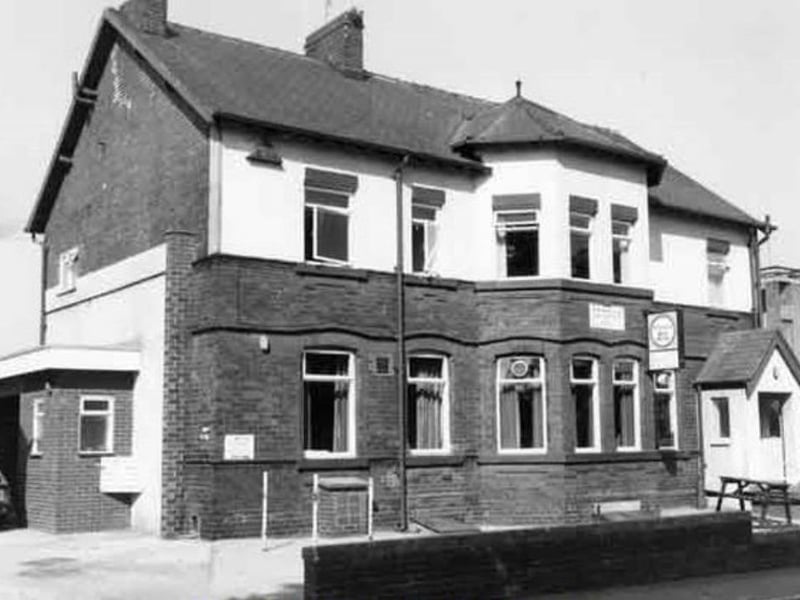
21. High Green Working Men's Club
High Green Working Men's Club, on Westwood Road, Sheffield, in 1985
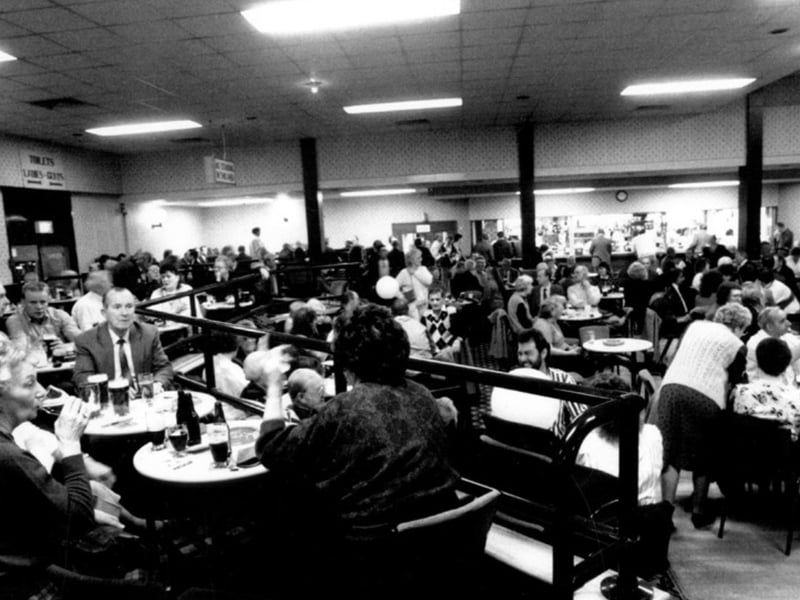
22. Working men's clubs
Working men's clubs were once an essential part of the fabric holding communities together across the UK. There were some 4,000 in Britain during the 1970s and they remained hugely popular in the 80s. Their numbers have since declined drastically, though some continue to pull in the punters. Pictured is the concert room at Colley Working Men's Club in Sheffield in 1989, when it boasted some 3,500 members. | Picture Sheffield
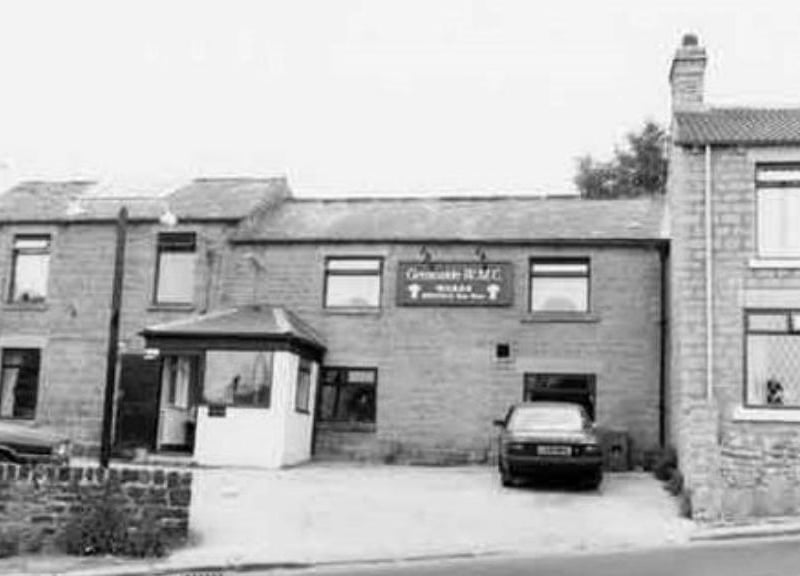
23. Grenoside Working Men's Club
Grenoside Working Men's Club and Institute, on Main Street, Sheffield, in 1989
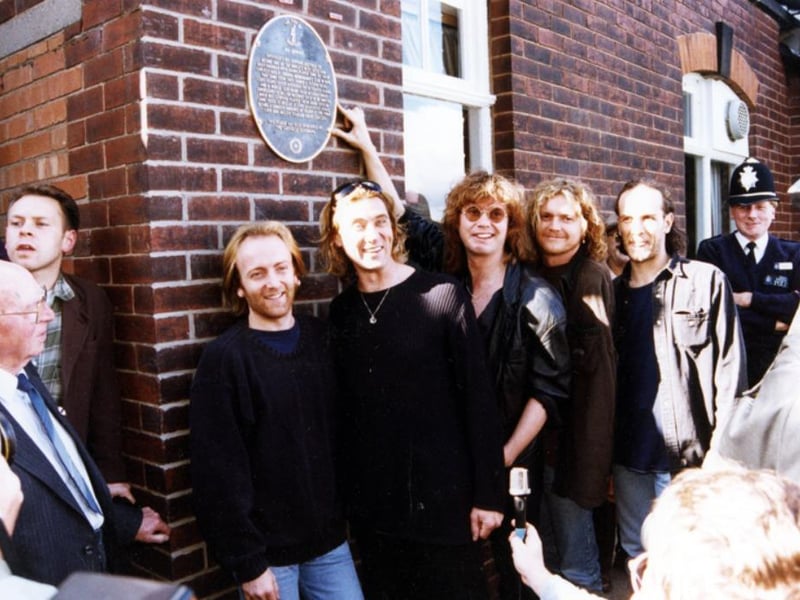
24. Crookes Working Men's Club
Def Leppard unveiling a plaque at Crookes Working Men's Club, on Mulehouse Road, Sheffield, in 1995