

Between the mundane day-to-day struggles, to the constant focus on London and American -made media, our little slice of northern paradise can become... well, ordinary.
Love Sheffield? You’ll love our daily newsletter… Packed with the latest news, sport, lifestyle, what’s on, and so much more.
And while it’s by no means perfect, Sheffield isn’t as forgettable as you may be led to think, with some of the world-changing stars and inventions coming from the steel city.
It’s not all historic either; while steel may has given the city its reputation, brilliant minds have continued to create amazing things right here.
So take a look at nine ways Sheffield helped change the world.
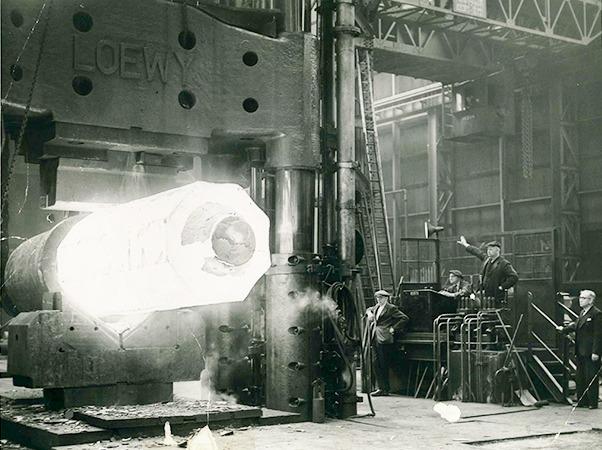
1. Forging steel at Hadfield's East Hecla Works, Sheffield
Easily Sheffield's most notable contribution to the world is the incredible steel production techniques pioneered here throughout the industrial revolution. The invention of stainless steel is contributed to the city, with it being estimated that 85 per cent of Britain's steel production came from the city in the mid 19th century. Photo: Submitted

2. Pulp at Tramlines Festival 2025
It could be said that nothing has ever reached the highs of Pulp's 1995 classic 'Common People'. The Britpop band formed in Sheffield in the 70s and have gone on to sell more than 10 million records. Most recently, the performed to sell-out crowds with highly-celebrated gigs at both Glastonbury and Tramlines. | S70 Media
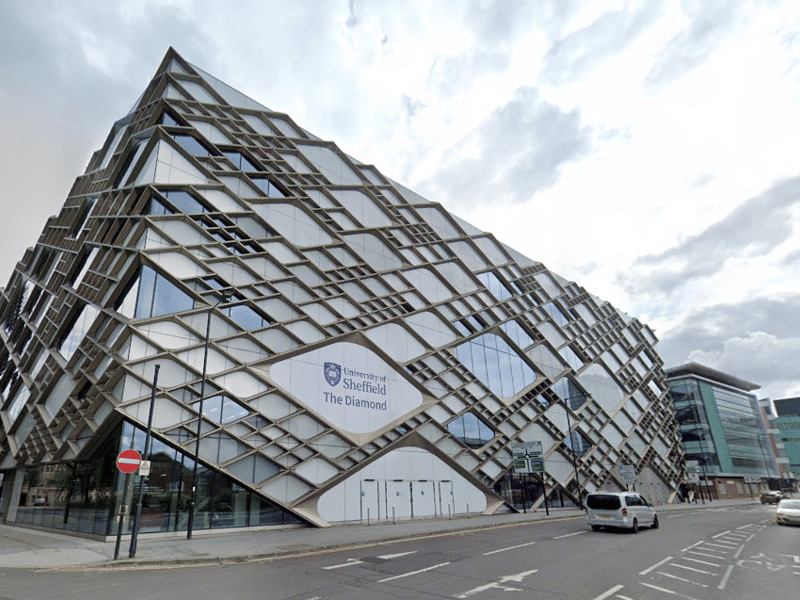
3. University of Sheffield
3D printed medical prosthetics are the innovative solution to the problem of making soft tissue prostheses and was developed by Fripp Design and Research and the University of Sheffield with support from the Wellcome Trust. | Google
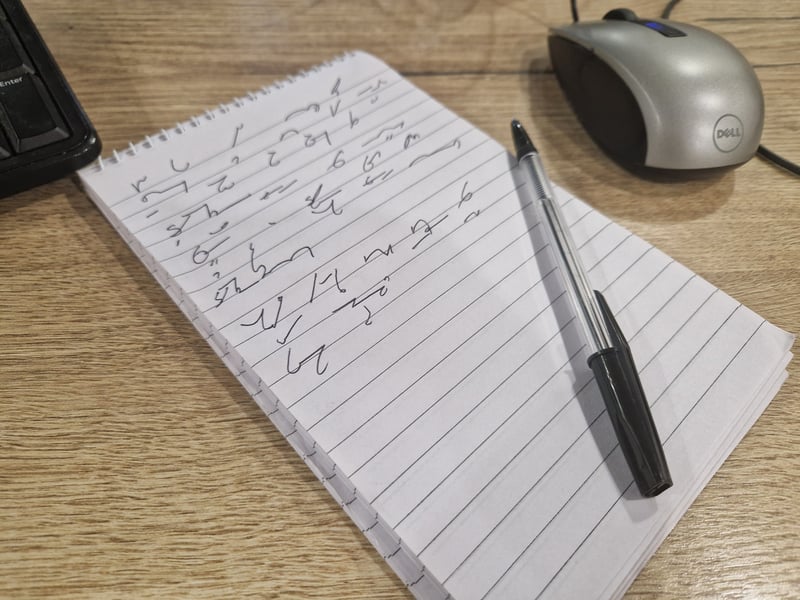
4. Teeline Shorthand
Anyone who has done a 100 word per minute shorthand exam will tell you that it's one of the worst experiences you can go through. And anyone in that boat should lay their anger at Timothy Bright. The Sheffield-born physician and clergyman designed a system of writing consisting of only straight lines, circles, and half circles in the late 16th century. | Finn Smith