The Victorian philanthropist whose name now adorns a former Sheffield hospital
One of the names forever tied to the city of Sheffield is that of the Jessop family, a steelmaking legacy that lasted 150 years and built the first Hospital for Women
How a Sheffield hospital got its name is a story entwined with the city’s industry and philanthropy.
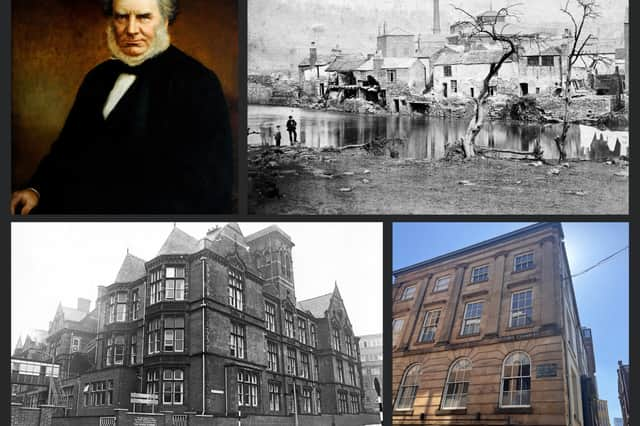

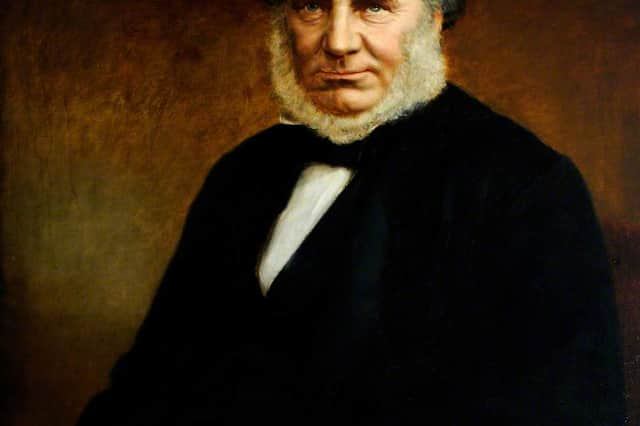
Born in Sheffield’s Blast Lane in January 1804, Thomas Jessop was the son of William Jessop and Rebecca Taylor. Thomas had three other brothers (Montague, Henry and Sydney) and four sisters.
His father William owned a small crucible steel facility near the family home. After completing his education at the age of 14 or 15, Thomas began an apprenticeship at Mitchell, Raikes & Jessop, where his father was a steel smelter and a partner, as an edge-tool maker, with the intention of pursuing a career in the field.
A few years after starting his apprenticeship, his father’s business began to expand and a new company was set up incorporating Thomas and his brothers, and in the 1830s William Jessop & Sons was formed.
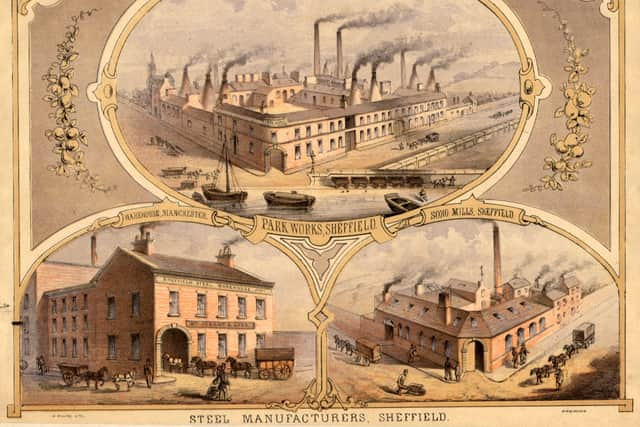
The company operated a steel converting and refining plant based at Park Works on Blast Lane, which was previously used by William Jessop as his crucible business grew.
The timing of the company being founded was fortuitous as it aligned with a boom in trade from the Americas, where British steel saw huge demand to help with the industrial growth taking place.
Thomas, like his brothers, worked in various roles throughout the family business. Their father, William, ensured that they understood graft and humility working shoulder to shoulder with the rest of the steel workers. There was no special treatment.
An office and warehouse was opened in New York in 1834, America remained a huge export market for many years. When William Jessop passed away at the age of 63 in 1835, his sons took over the company.
In the years that followed William Jessop & Sons continued to grow, expanding to an additional premises at Brightside in 1837. Followed by a Manchester branch in 1841.
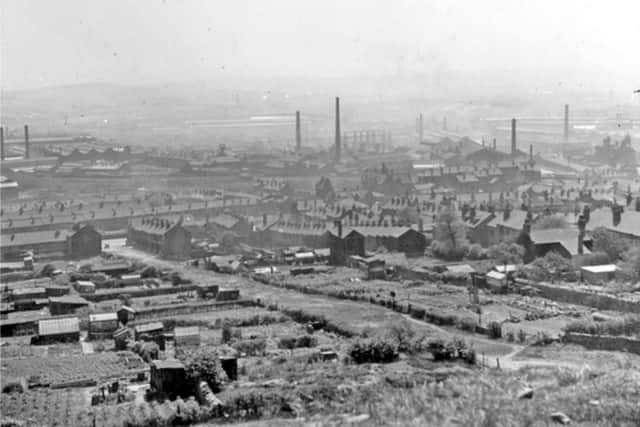
William Jessop and Sons produced cutlery, utilising their success to expand further and bought out various other steel works (which by the time the 20th Century came, Jessop’s Brightside Works was the UK’s biggest).
Thomas held many civic positions. He was a member of the first Sheffield Town Council in 1843 and later became the Master Cutler in 1863. He also served on the board of Police Commissioners, acted as an Alderman, and was a Justice of the Peace.
From 1863-64, he was the Mayor of Sheffield and was in the post at the time of the Sheffield Flood in 1864.
The tragic incident occurred on the night of Friday, March 11, 1864, when a crack appeared in the newly-built Dale Dyke Reservoir at High Bradfield. Soon after, the embankment gave way leaving a devastating trail of disaster in its wake, killing at least 240 people and destroying multiple properties. It was the worst single event to hit in Britain in Victorian times.
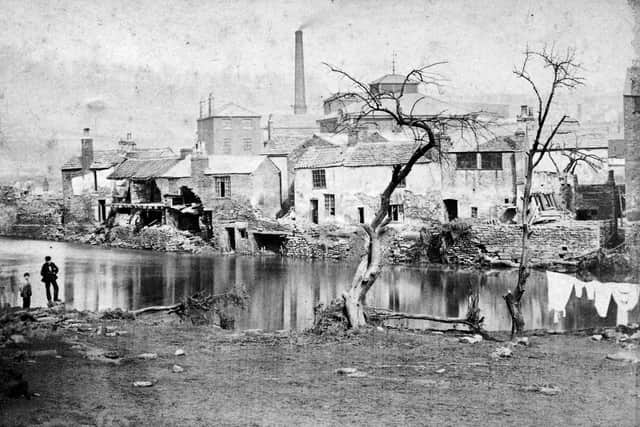
A relief fund of £400 to support the homeless was set up by Thomas, who also appealed for public donations. This increased the fund to £42,000. Among those who contributed was Queen Victoria, who sent a personal donation of £200.
Almost a decade later, after the death of his brother Sydney in 1871, Thomas took over the company. By 1875 the company was worth £400,000, nearly £60 million today.
The impact of the Sheffield Flood left an impression on Thomas, who, concerned by the issues that were affecting the city, used his fortune to build the Jessop Hospital for Women in 1864.
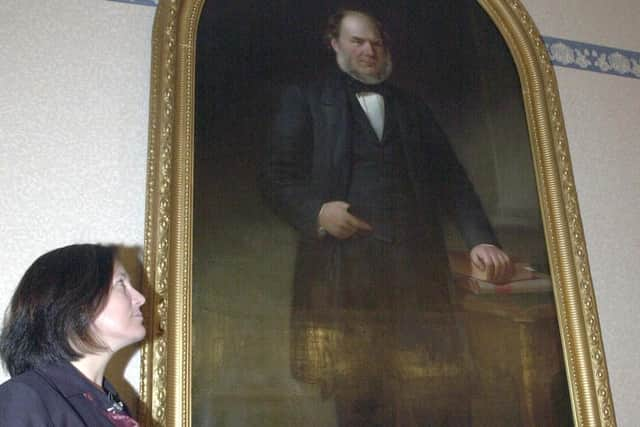
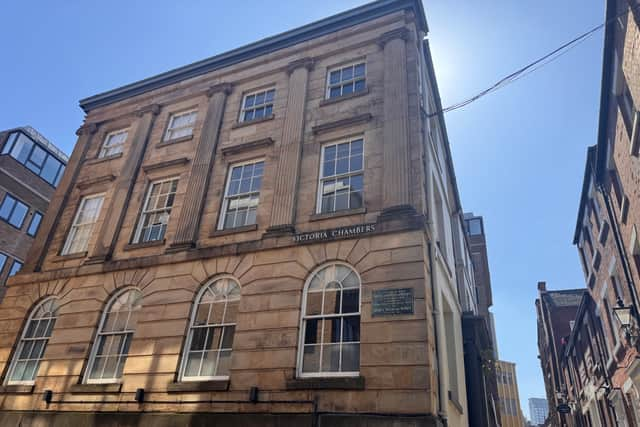
Originally situated on Figtree Lane, the hospital had just six beds (increasing to nine), so Jessop paid £26,000, around £4 million today, towards the building costs of a new hospital in 1878, which had 57-beds – much later, after Thomas’ death, the hospital was expanded to 217-beds.
Thomas Jessop died aged 83 at his home, Endcliffe Grange, Sheffield, on November 30, 1887. More than 700 steelworks, the Mayor of Sheffield and Master Cutler were part of the funeral procession.
His son William took over, expanding the business further and merging with others. Later WM Jessop & Sons merged with J.J. Saville to become Jessop-Saville. It was one of the few large steel companies to avoid nationalisation in the 1960s but later it too was bought out, and the Jessop name in steelmaking was lost.
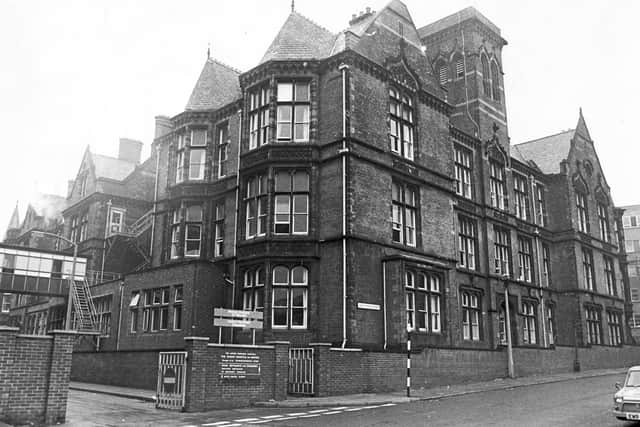
Today, Thomas Jessop is remembered as a great Sheffield benefactor. Jessop Hospital closed in 2001 but the Grade II-listed building remains as part of the University of Sheffield’s Jessop Development. The original Jessop Hospital for Women on Figtree Lane is still used today, as a solicitors. Sheffield’s main maternity hospital is called the Jessop Wing of the Royal Hallamshire Hospital, a lasting tribute to a man that insisted on giving back.